
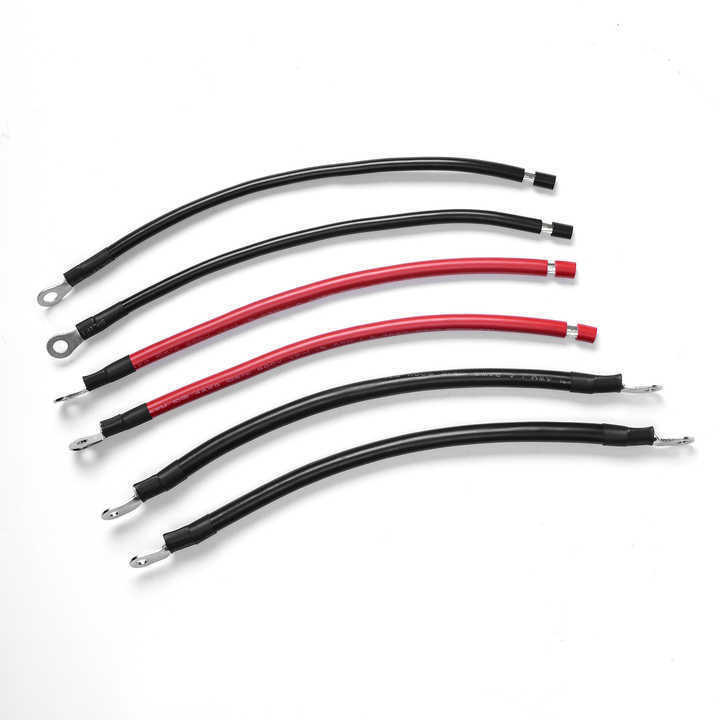
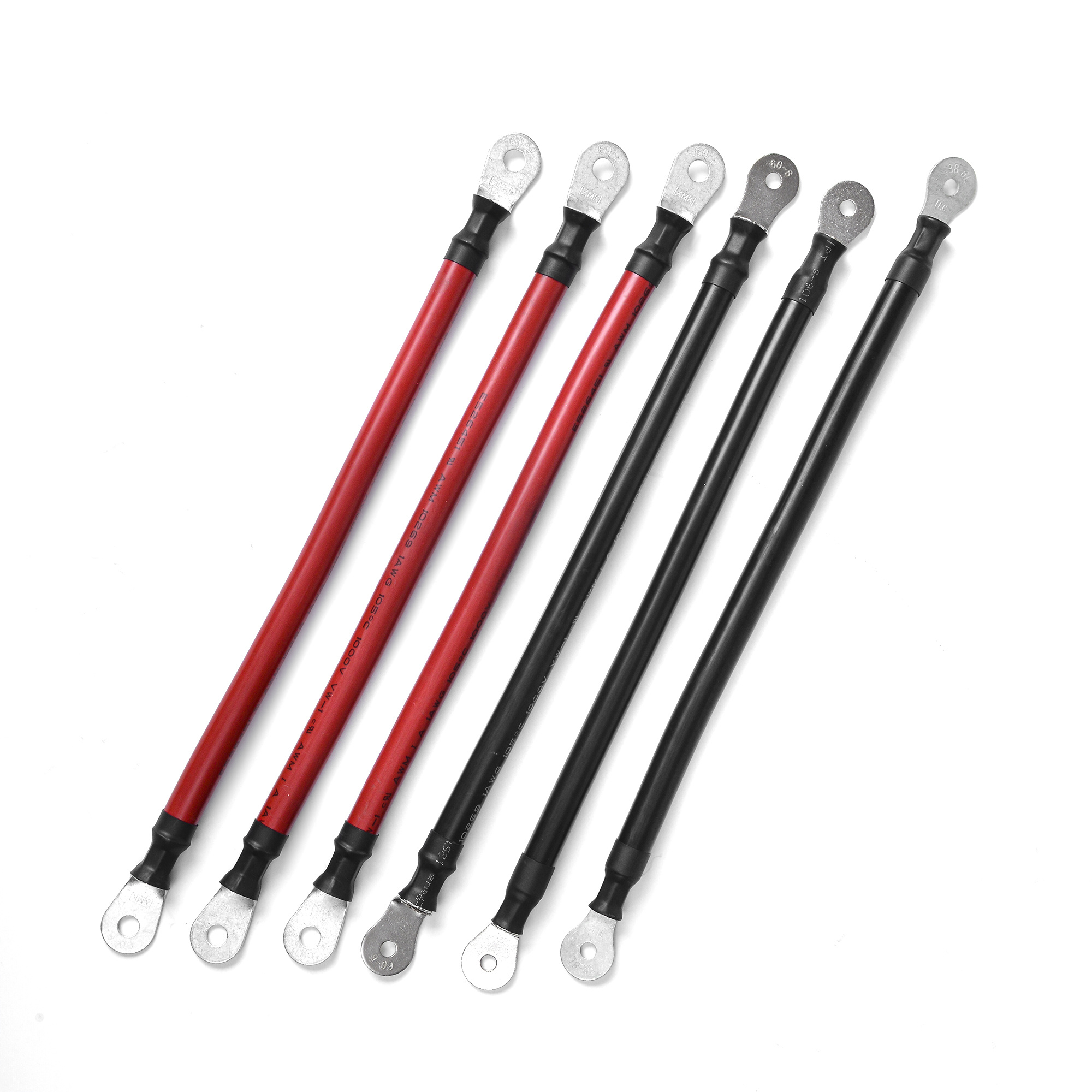
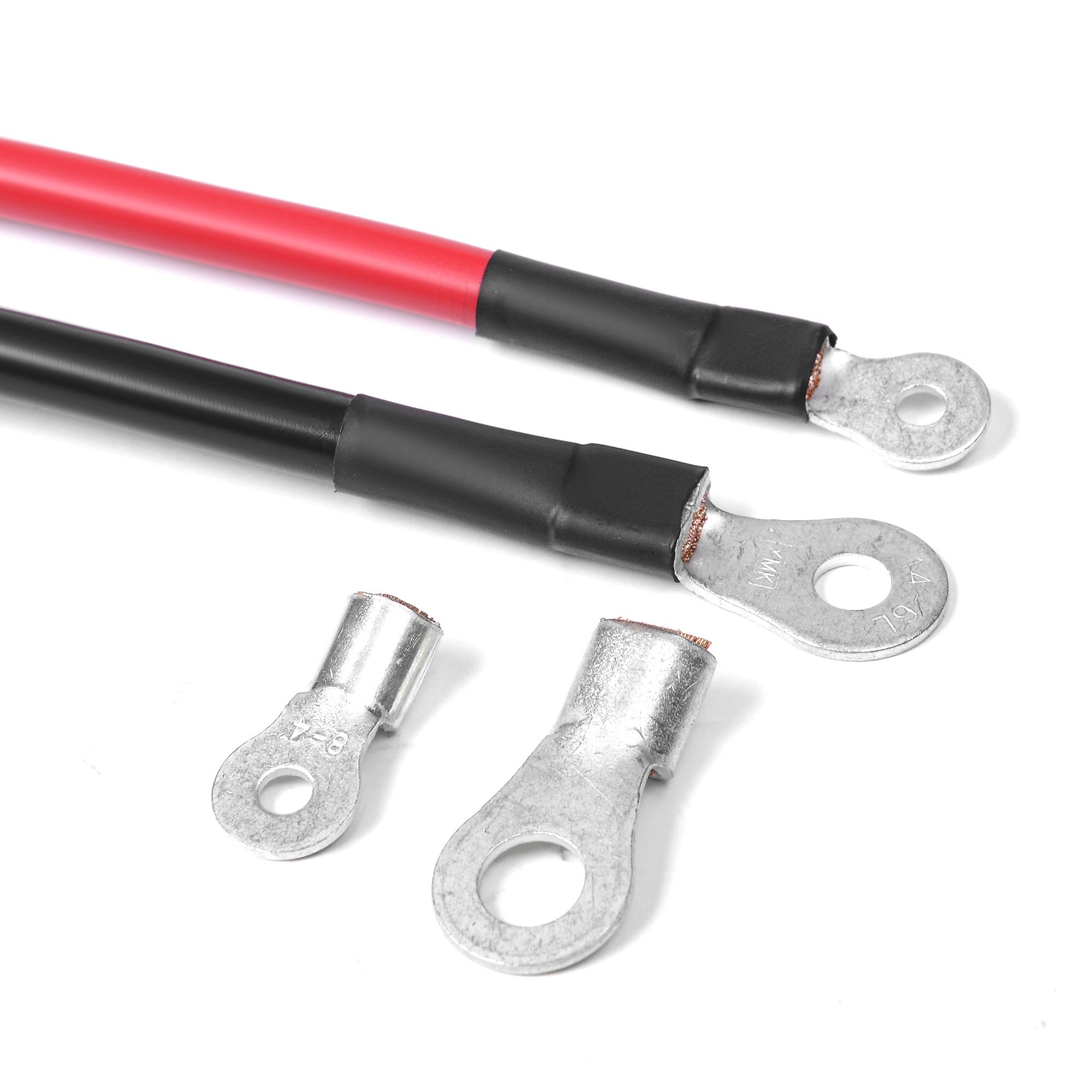
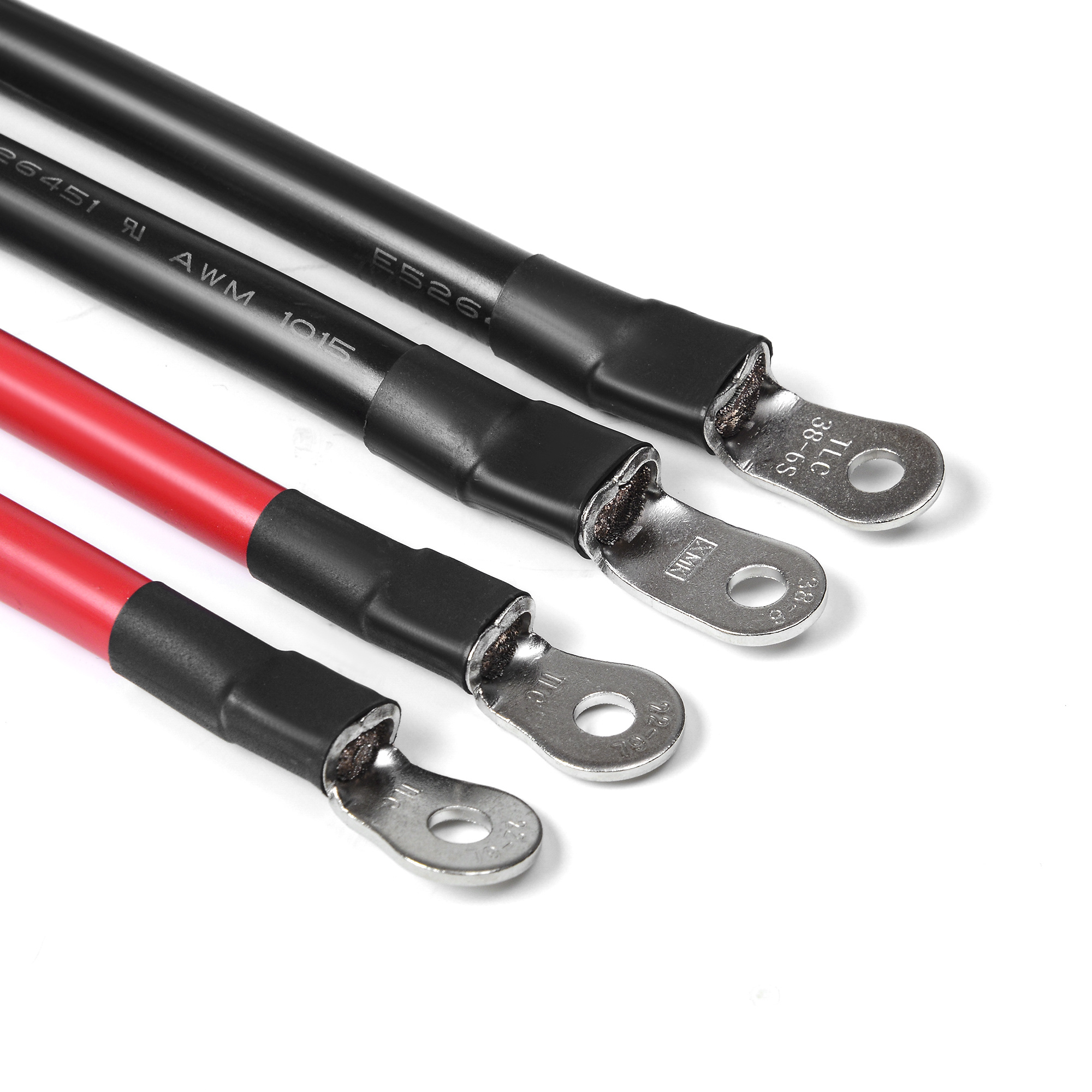
PV power station cable selection: how to choose the right cable
PV power station cable selection: how to choose the right cable
1、Material selection
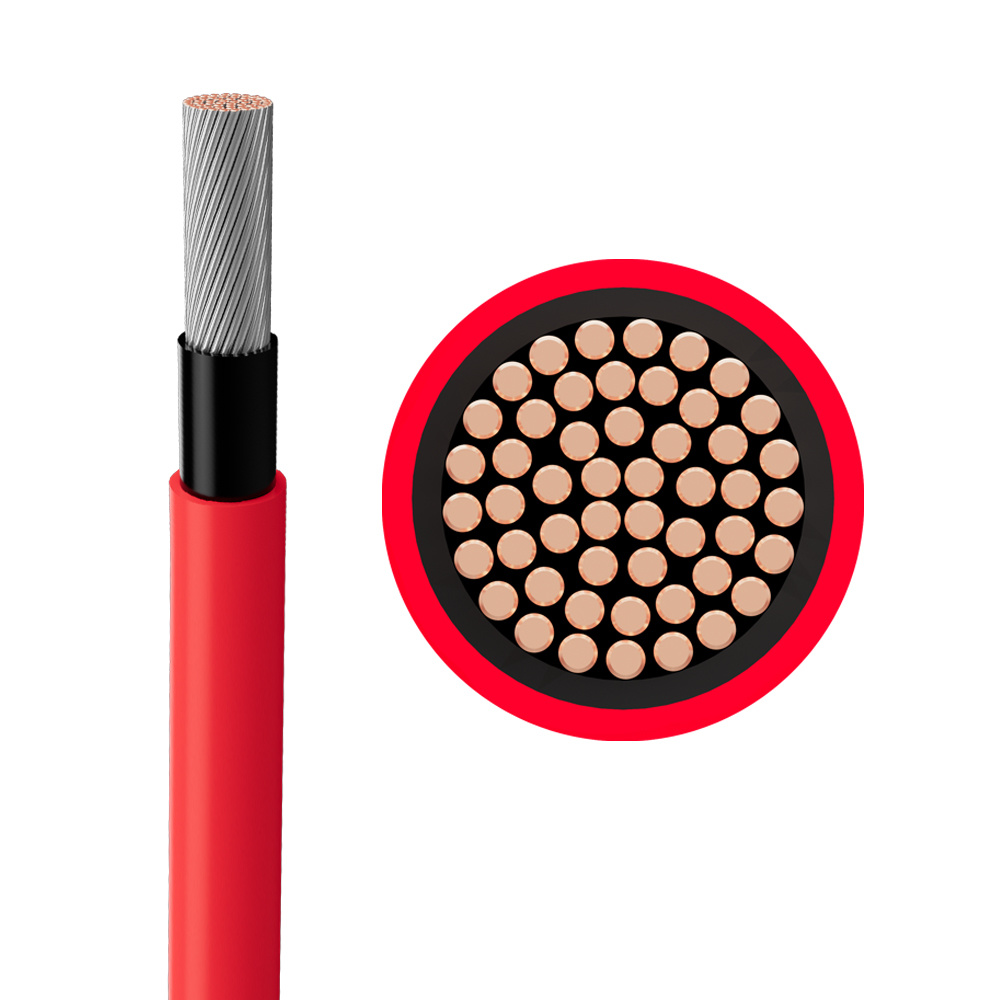
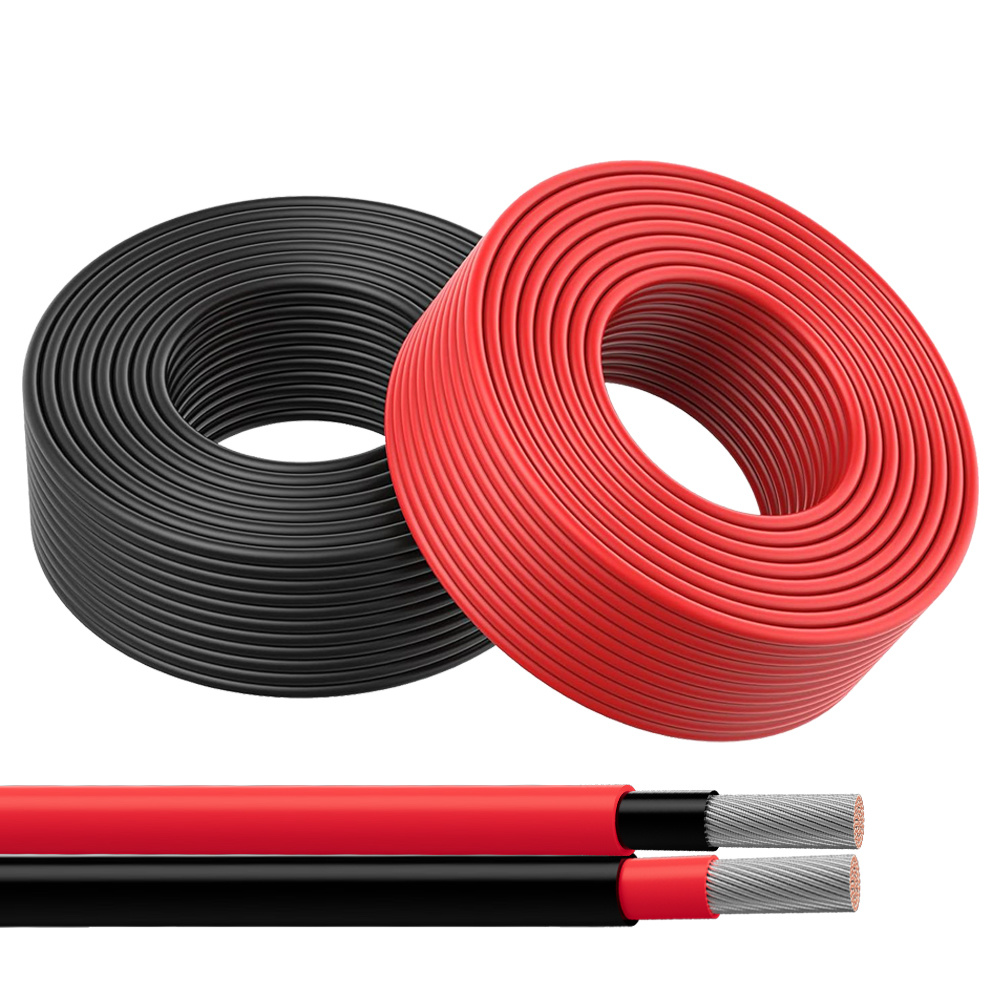
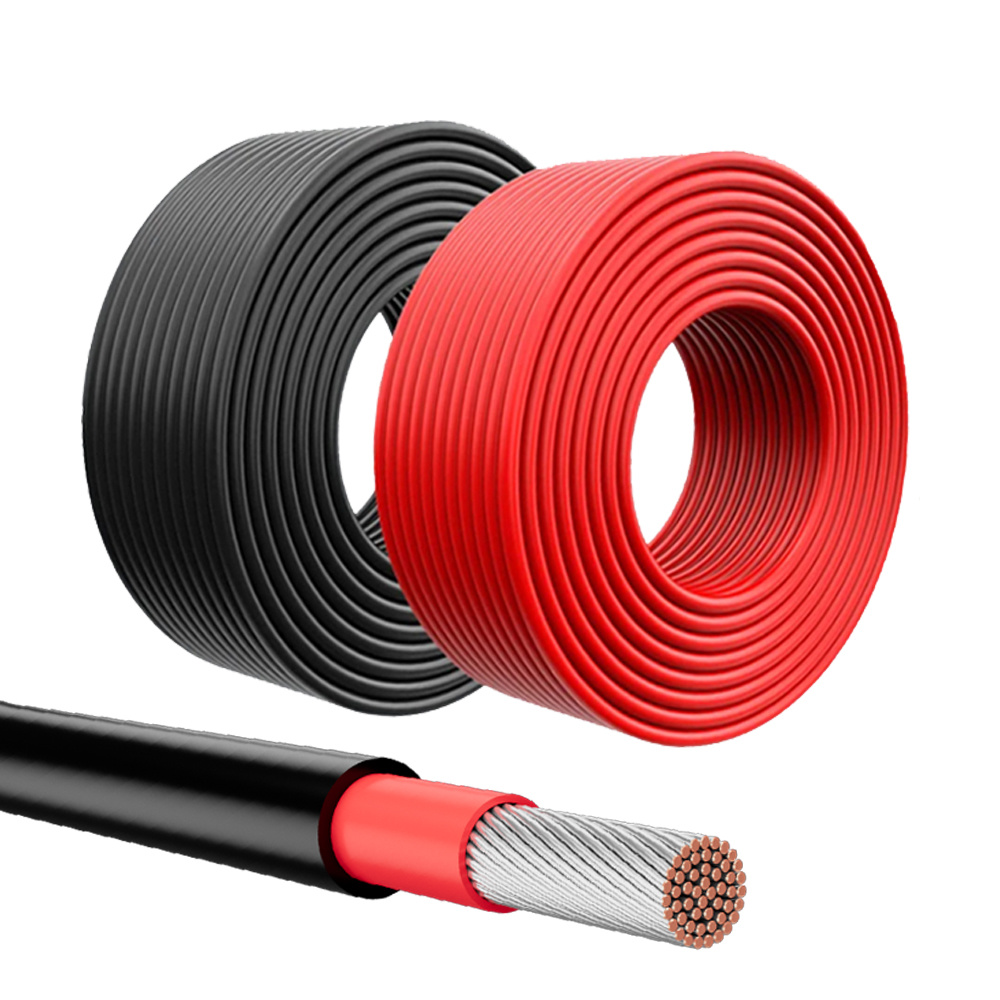
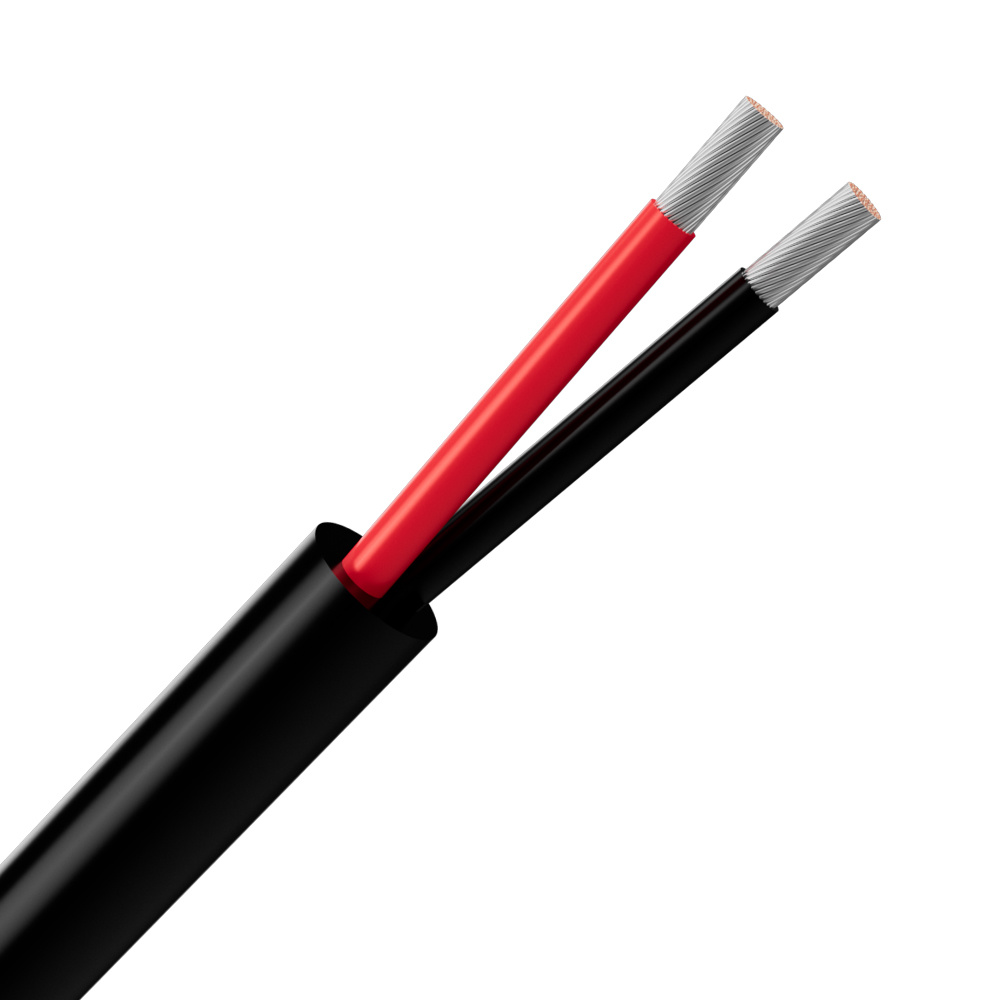
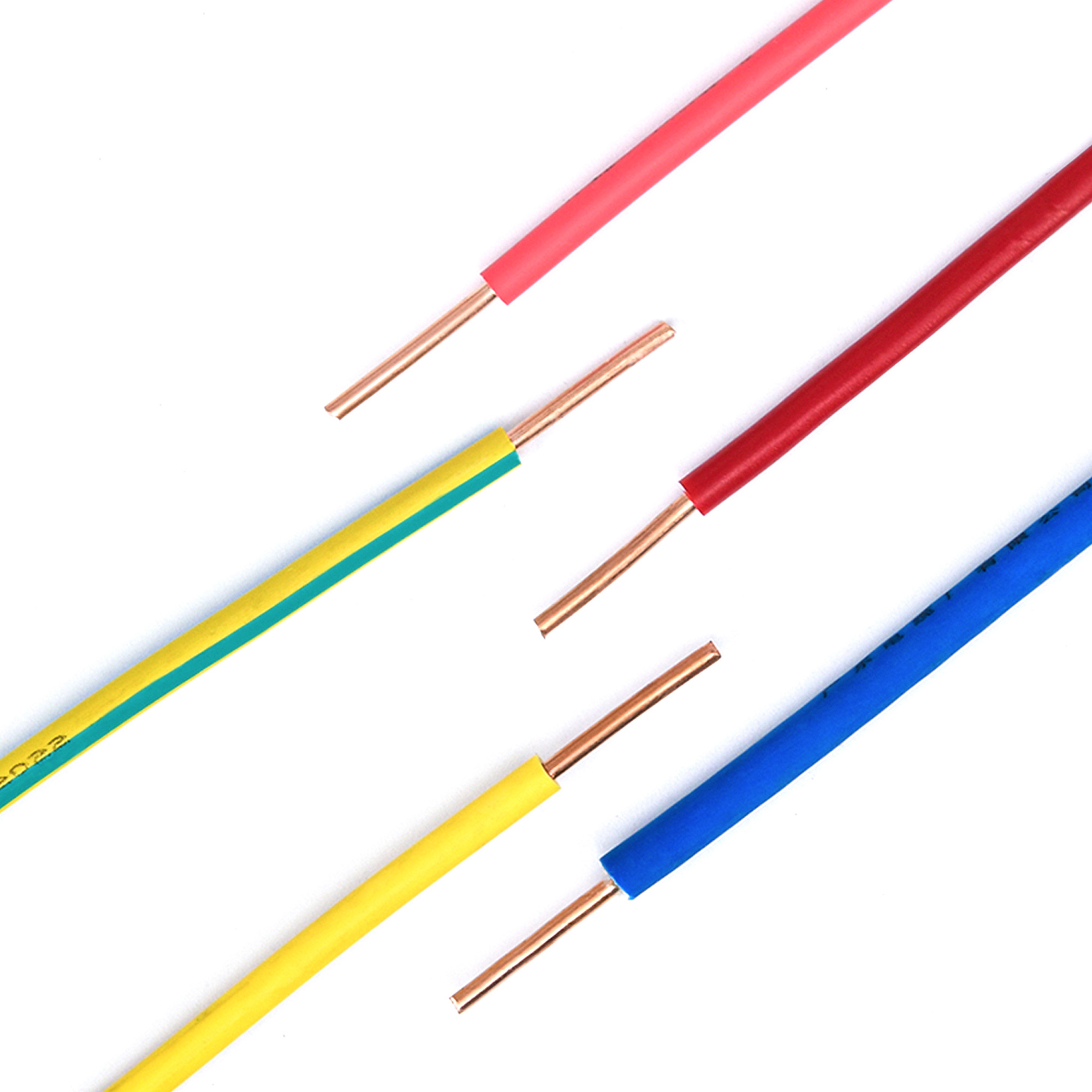
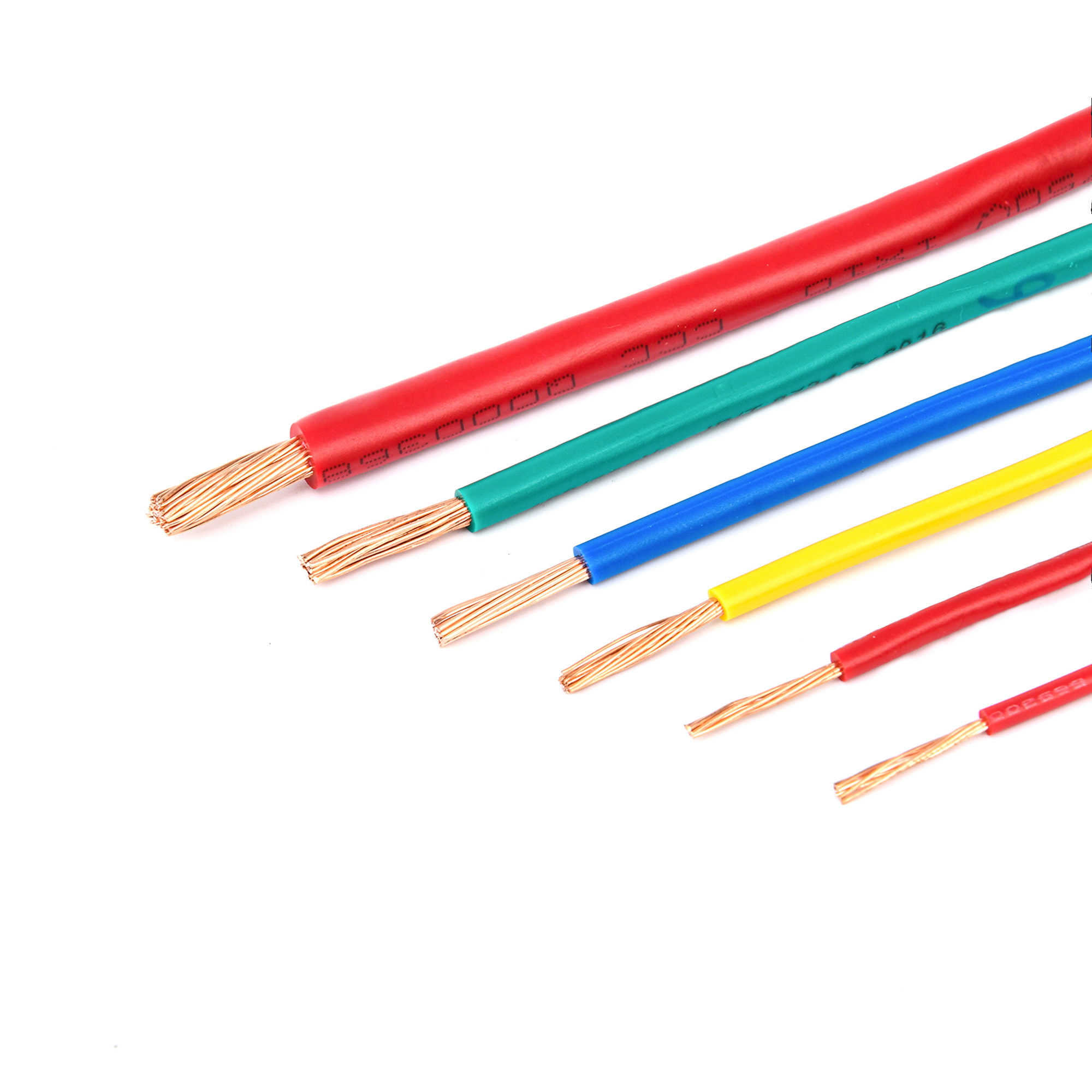
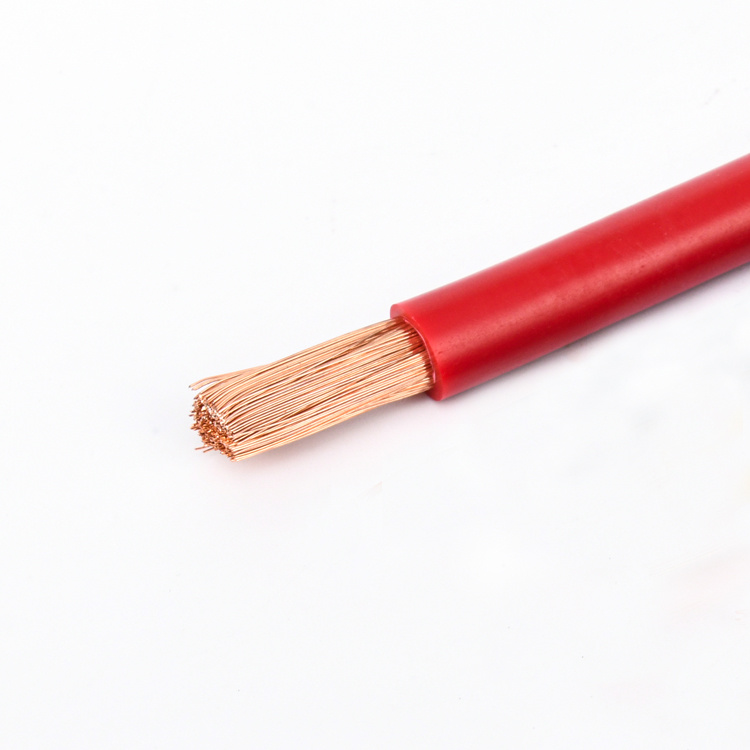
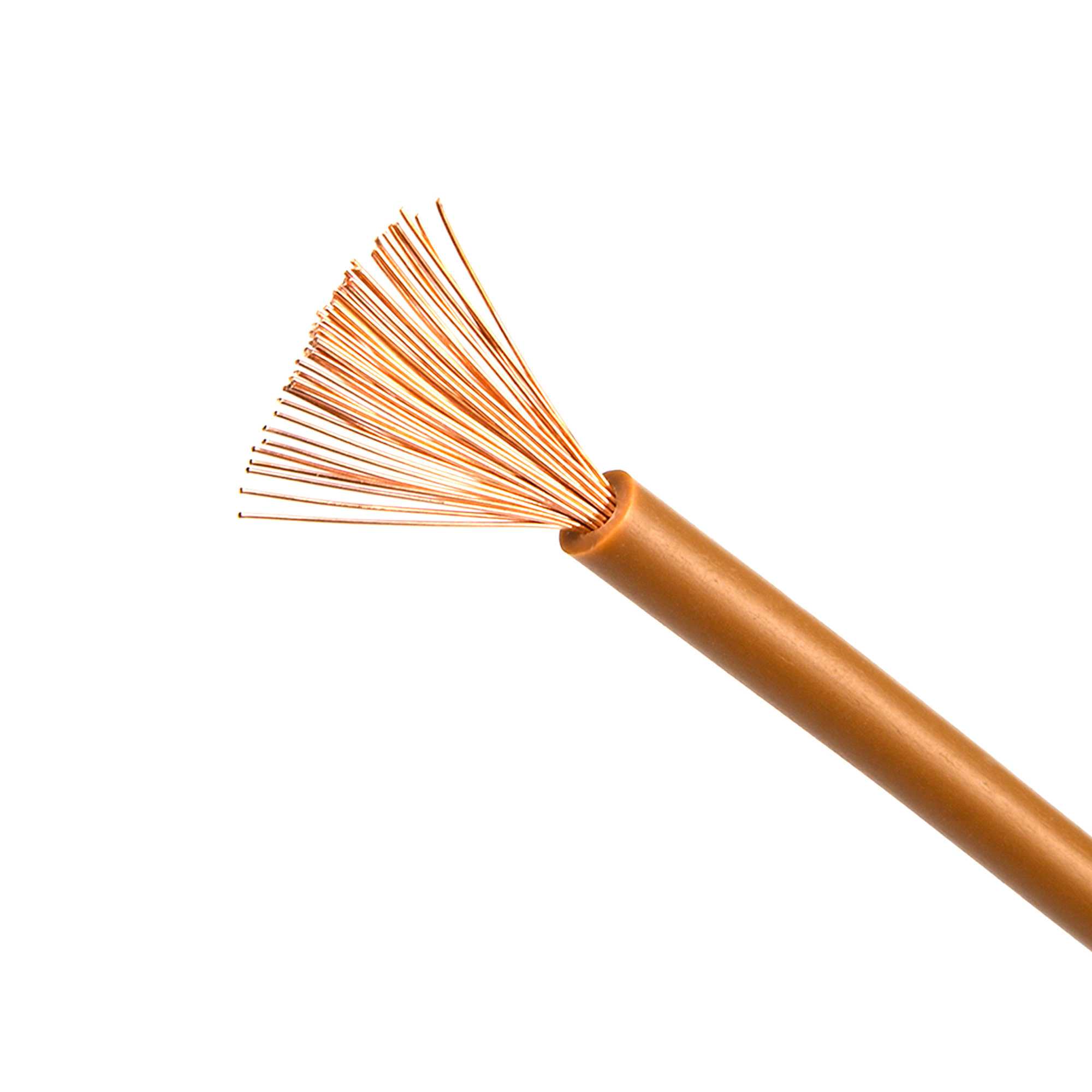
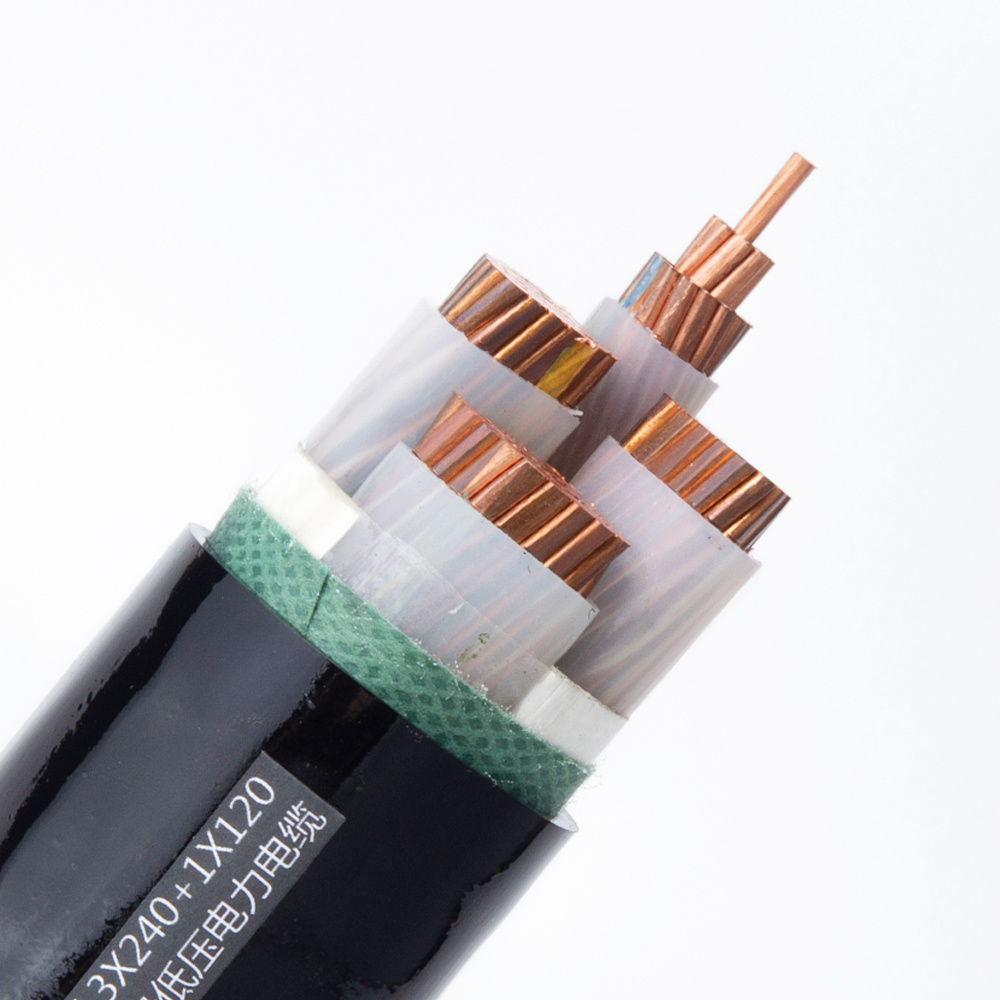
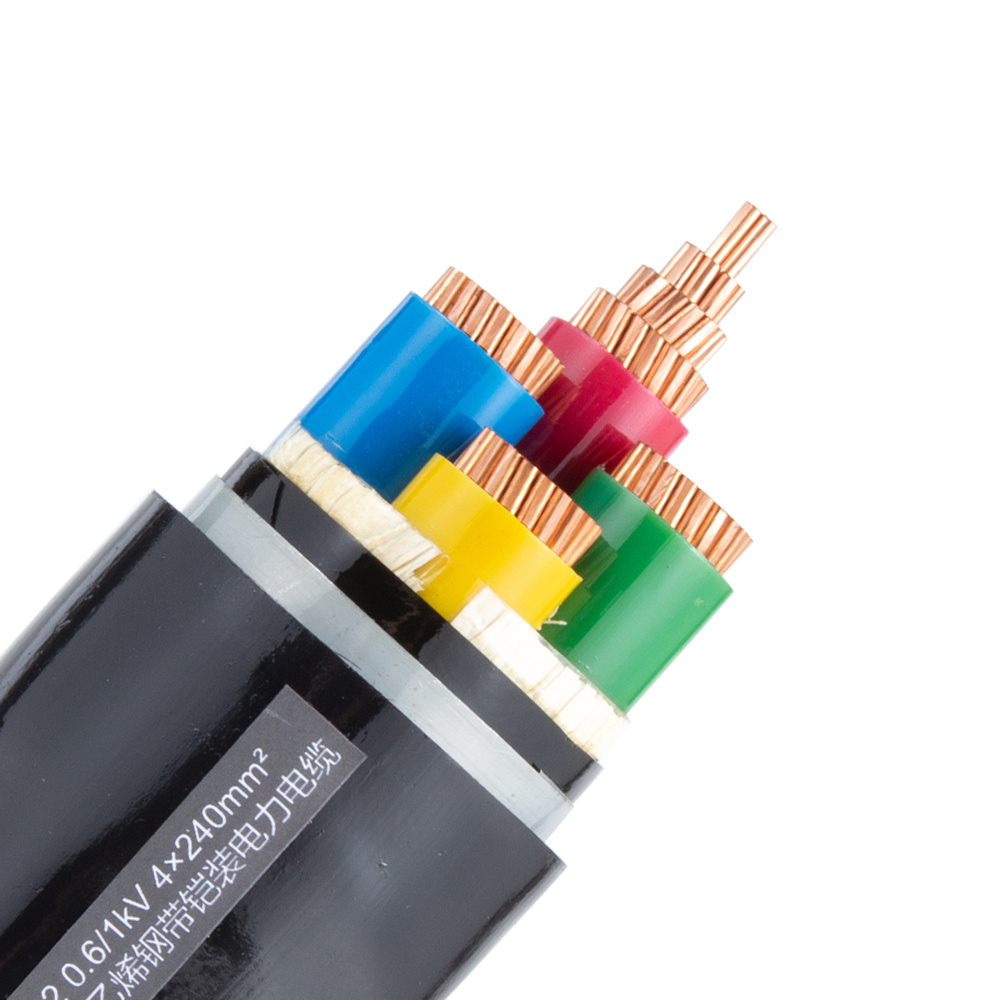
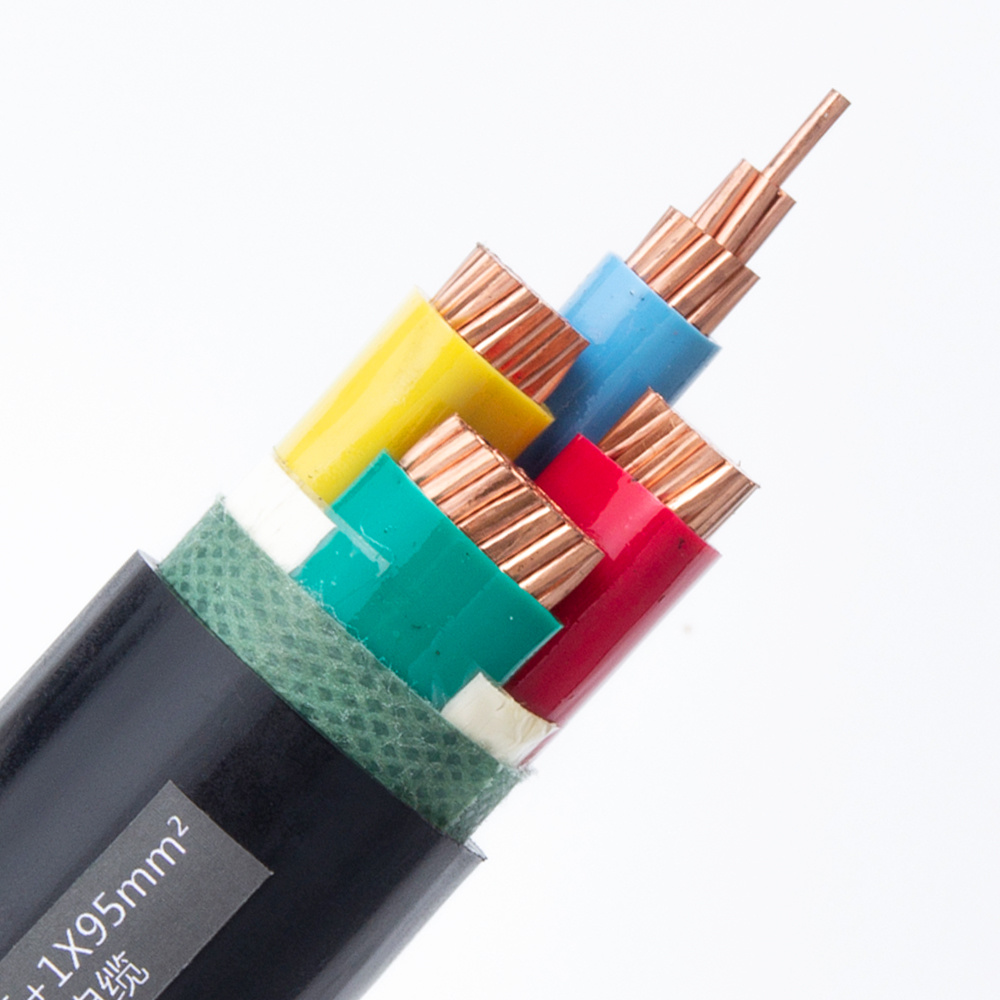
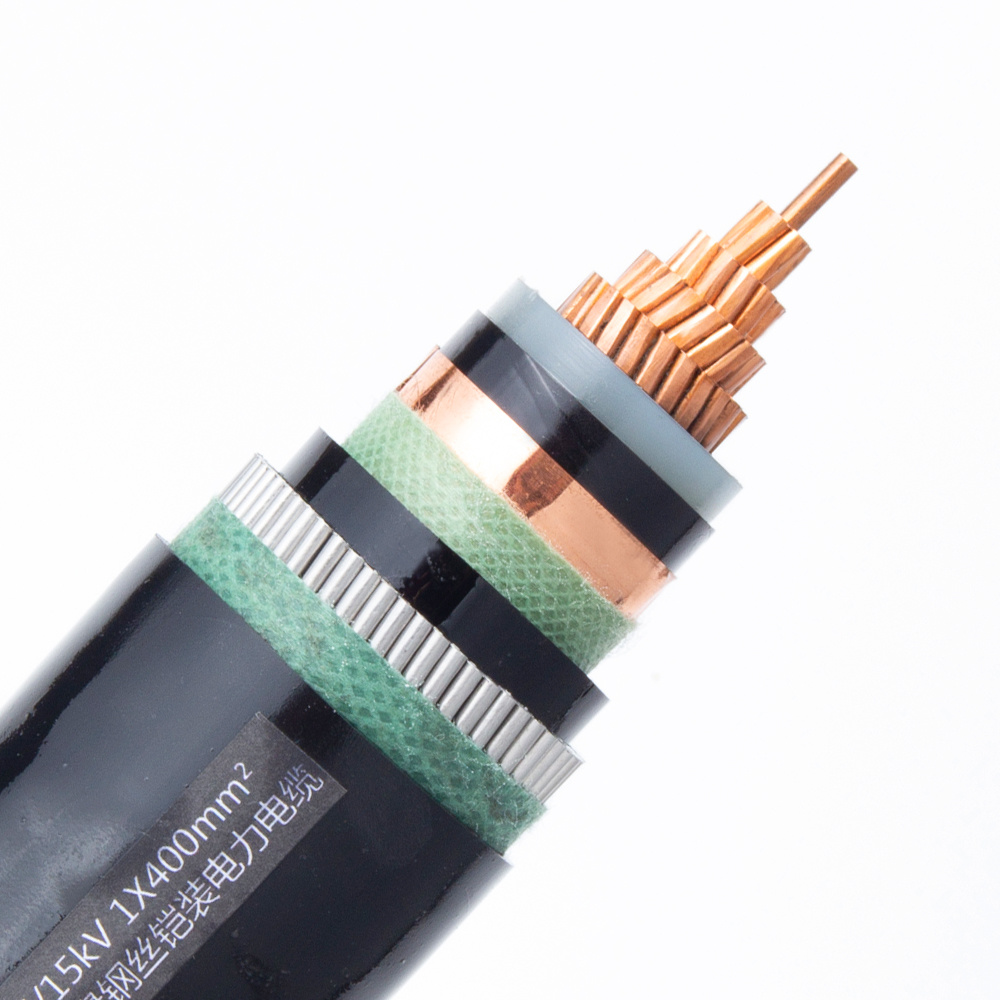
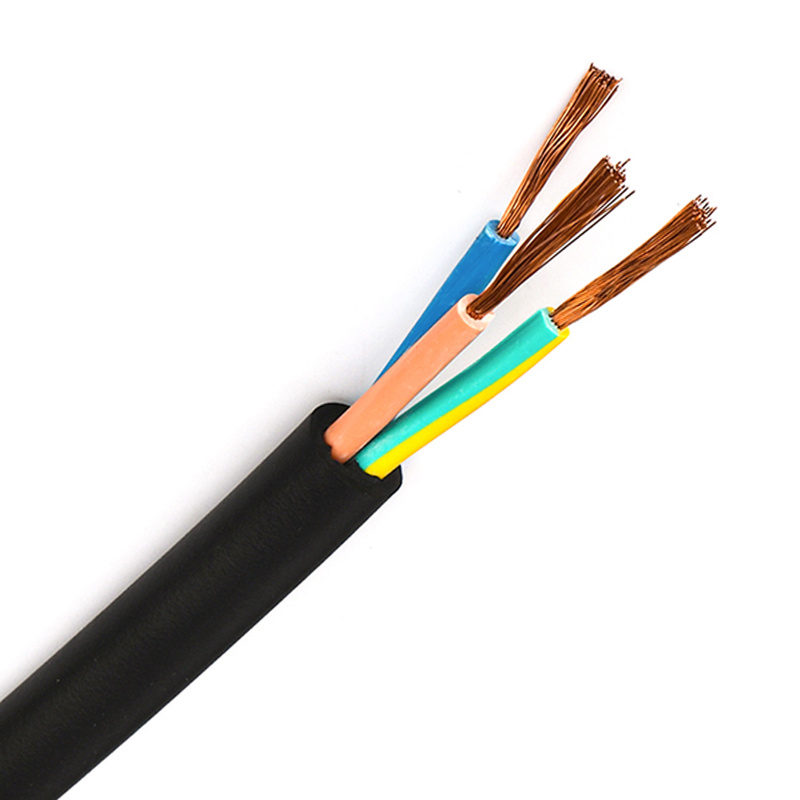
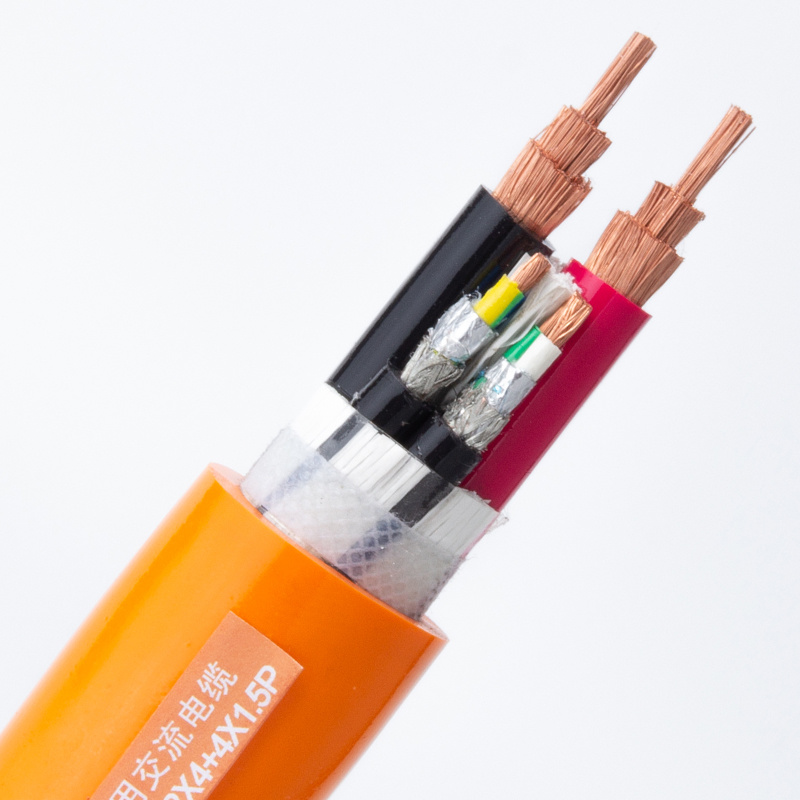
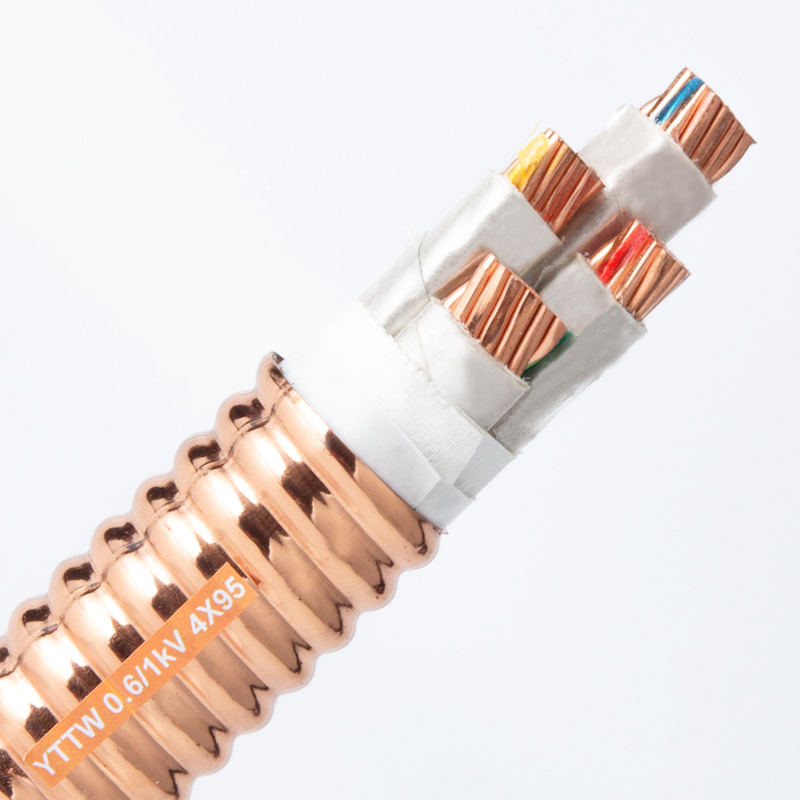
The main materials for photovoltaic power station cables include polyethylene (PE), cross-linked polyethylene (XLPE), flame retardant cross-linked polyethylene (ZR-XLPE), cross-linked polyolefin (X-PE), etc. Among them, PE cables are inexpensive, easy to process, and suitable for low-temperature environments; XLPE cables have excellent insulation performance and high temperature resistance, making them suitable for high-temperature environments; ZR-XLPE cable not only possesses the characteristics of XLPE cable, but also has good flame retardant performance, making it the preferred choice for high-end photovoltaic power plants; X-PE cables have become a very excellent material due to their excellent physical properties (toughness, wear resistance, etc.).
In the selection process, it is necessary to comprehensively consider the characteristics and prices of various materials based on the actual situation of the power station and the usage environment.
2、Specification selection
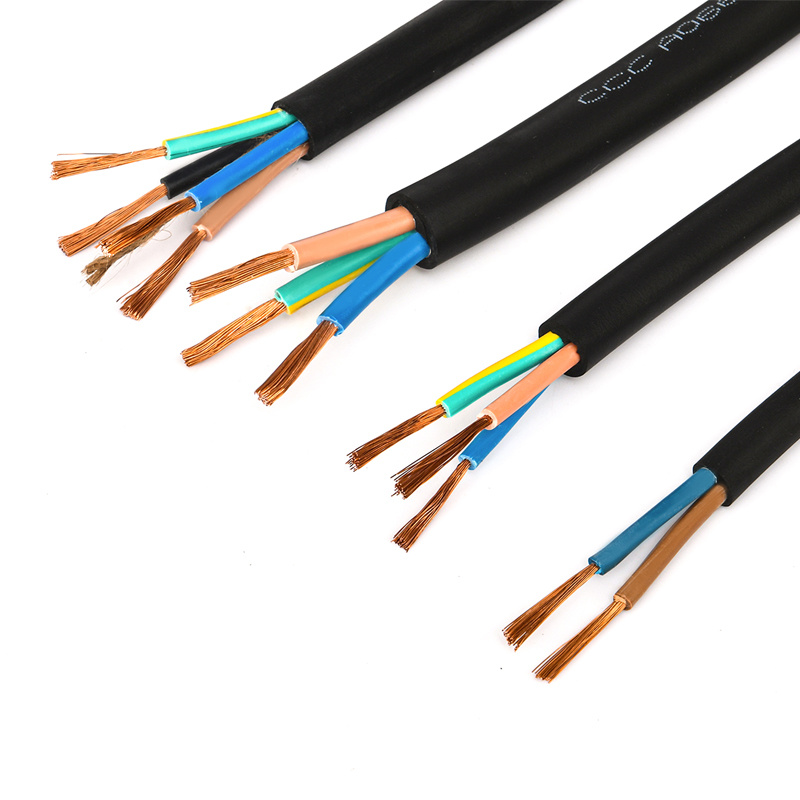
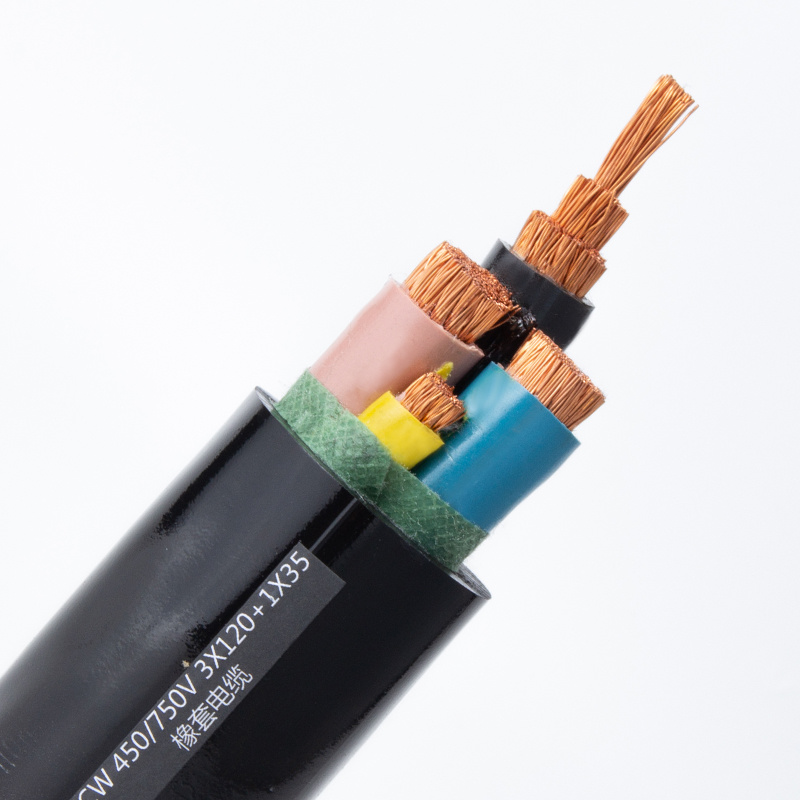
The specifications of photovoltaic power station cables are generally calculated based on current carrying capacity or cable cross-sectional area, with commonly used options being AC and DC cables. When selecting specifications, on the one hand, it is necessary to consider the output power and design current of the photovoltaic power station, and on the other hand, it is also necessary to consider factors such as line length, cable loss, temperature, etc., to ensure the transmission and conversion efficiency of electrical energy.
3、Durability selection
Photovoltaic power station cables need to have good characteristics of aging resistance, UV resistance, tensile resistance, water resistance, fire resistance, etc. to ensure their reliable operation for a long time. Therefore, when selecting cables, it is necessary to consider the durability of cable materials and the quality of cable connectors, and choose cable products of corresponding brands and models.
4、Other factors
In addition to materials, specifications, and durability, it is also necessary to consider factors such as cable safety and environmental protection. The standards, certification status, and manufacturer reputation that cable products comply with should also be considered as one of the factors for purchasing.
In summary, Selecting the appropriate cable for photovoltaic power stations is a crucial and complex task that necessitates a thorough assessment of specific conditions, environmental factors, and requirements. When making a choice, it is essential to prioritize a range of attributes and criteria, and to comprehensively evaluate various factors to guarantee that the cable's safe functioning and technical capabilities align with the necessary standards.
Other News
![[VIDEO]Professional Cable& Wire Manufacturer - Vazpo Cable](/npublic/img/s.png "[VIDEO]Professional Cable& Wire Manufacturer - Vazpo Cable")
Dec 26,2023
[VIDEO]Professional Cable& Wire Manufacturer - Vazpo Cable
Foshan Vazpo New Energy Co.,Ltd is a enterprise specializing in manufacturing various types of wire and cable, Our factory Guangdong Cable factory Co., Ltd Founded in 1968, is a professional cable and wire manufacturer which with 3 production bases which located in Foshan, Guangdong Province, China, covering a total area of 400,000 square meters.
View Detail
Oct 31,2024
Installation steps of solar connector
When installing solar connectors, please be sure to follow the relevant safety regulations and manufacturer's installation guidelines to ensure installation quality and system safety.
View Detail
Oct 25,2024
Importance of tensile strength in pv cables
The tensile strength of pv cables is an important technical parameter, which is directly related to the reliability, safety and service life of the cables.
View Detail
Oct 25,2024
Why are solar cables so expensive? What’s the different from ordinary cables?
The sheath and insulation of solar cables are usually made of materials that are resistant to high and low temperatures, UV rays, ozone and chemical corrosion, such as XLPO materials.
View Detail



We sincerely looking forward to cooperating with you !
Copyright © 2023 Foshan Vazpo New Energy Co., Ltd.
佛山市威之宝新能源有限公司
佛山市南海区桂城街道桂澜北路28号南海万达广场南1栋704A室(住所申报)
Email:vazpom@vazpocable.com
Phone:+86 18038777060