
Why do solar cables need irradiation?
Why do solar cables need irradiation?
As an important component of photovoltaic systems, solar cables have increasingly higher performance requirements. Cross-linking irradiation can improve the performance of solar cables.

1. solar cables
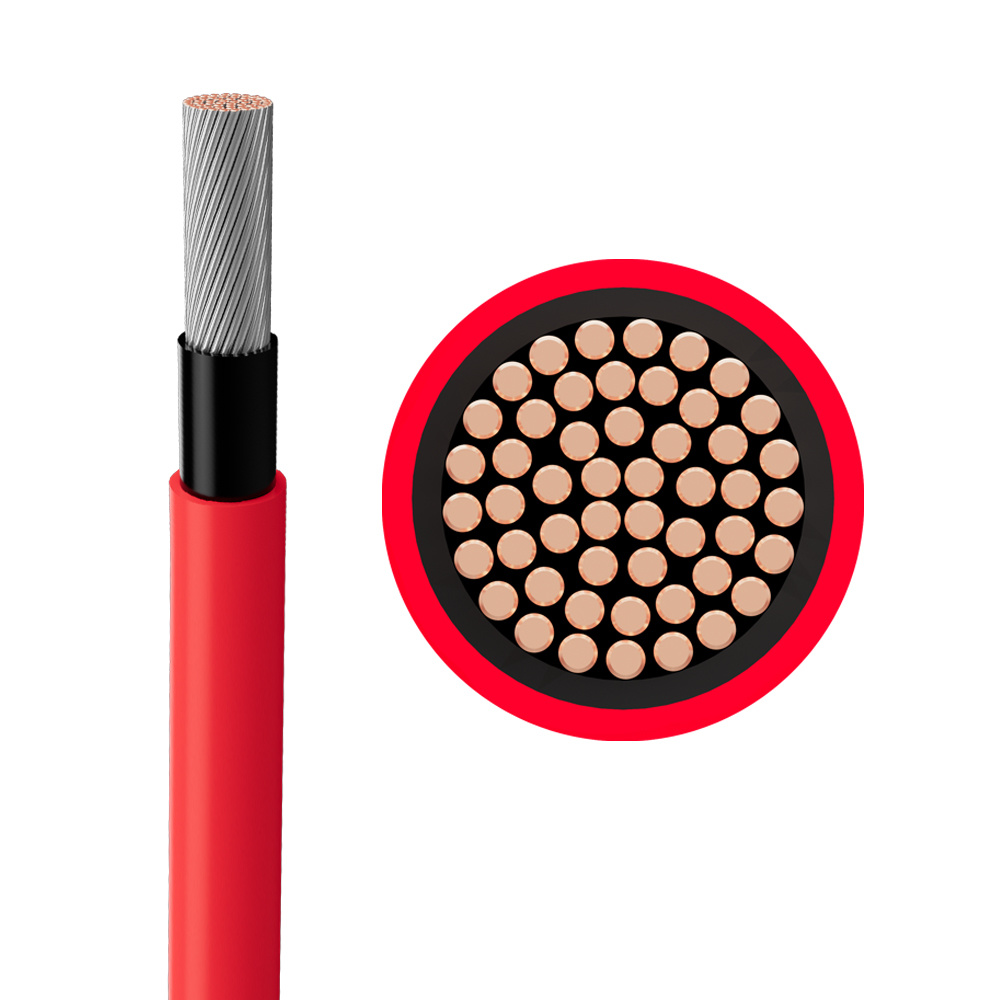
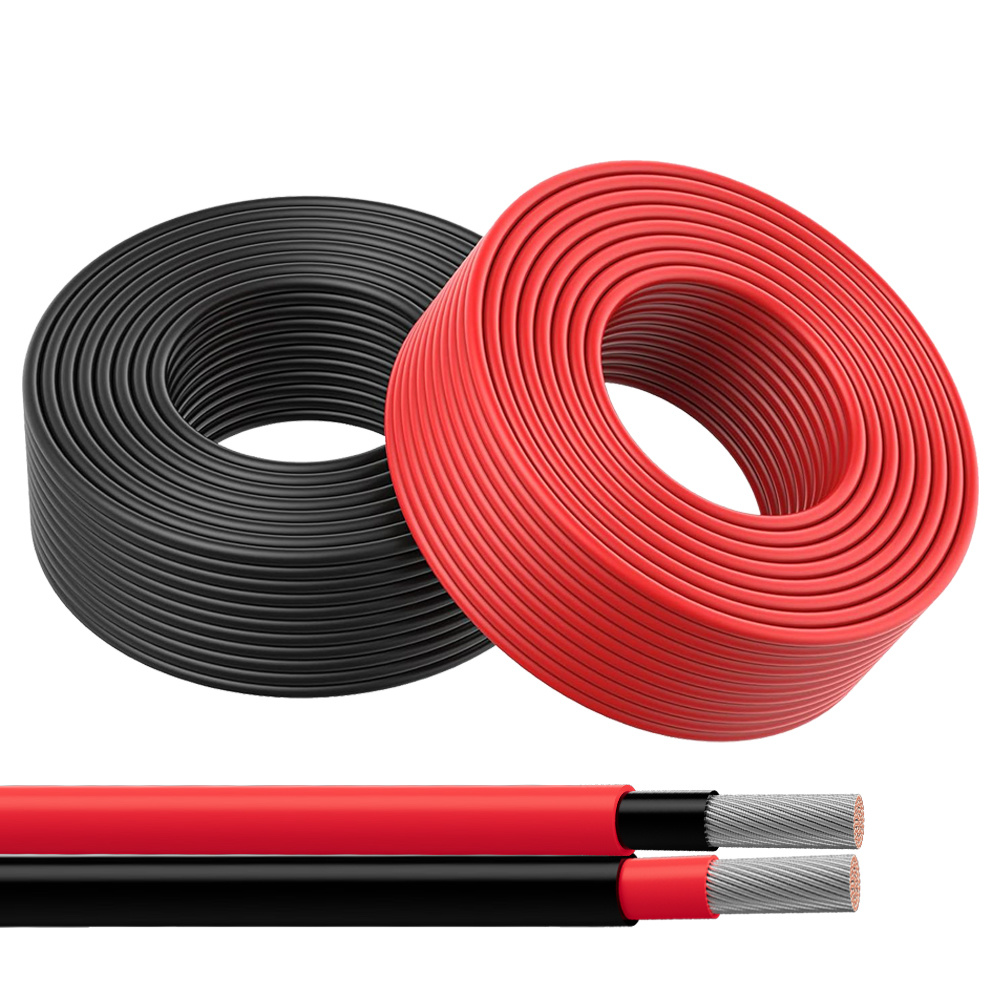
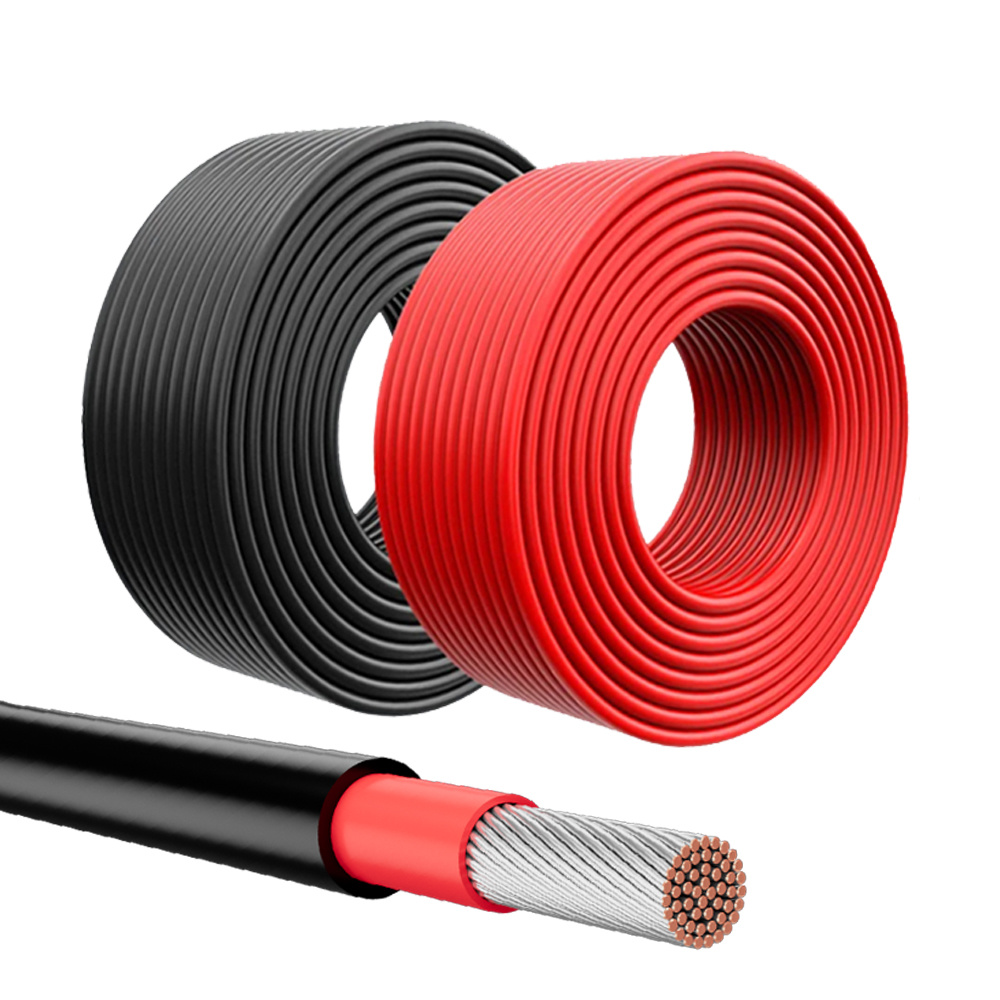
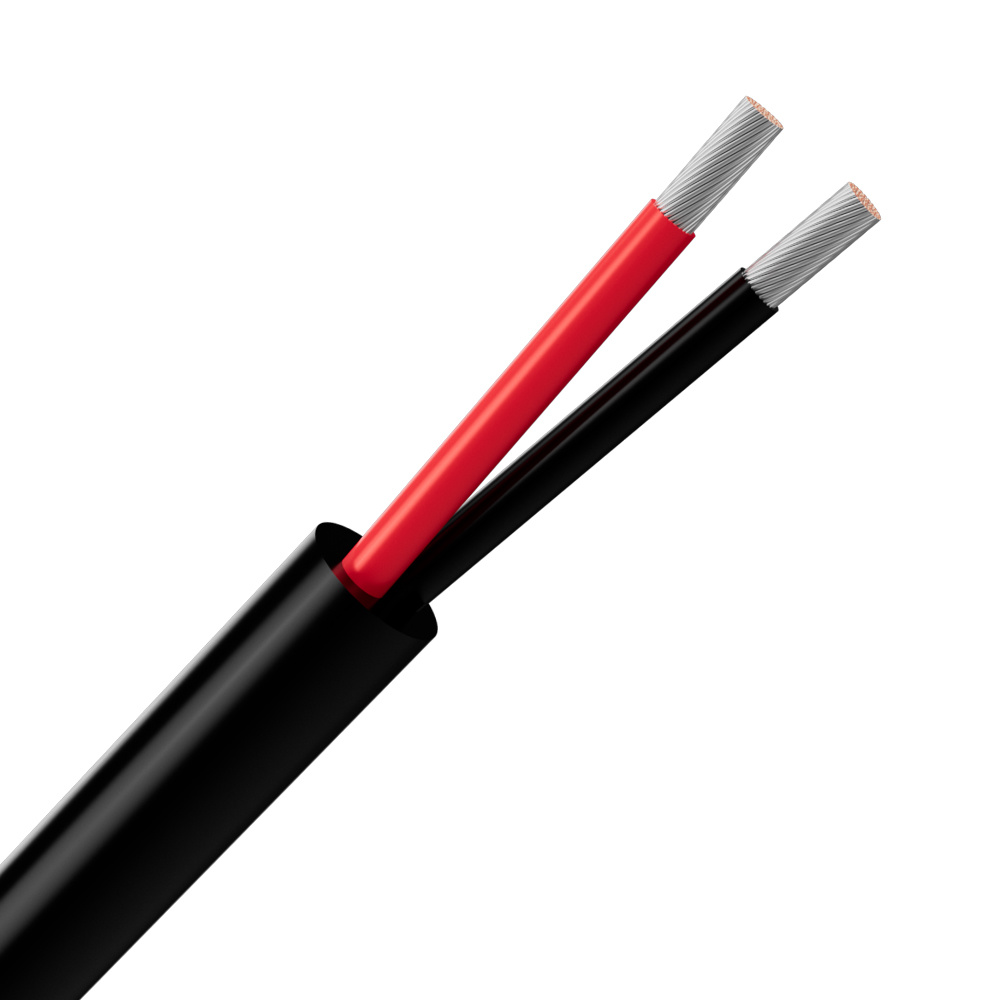
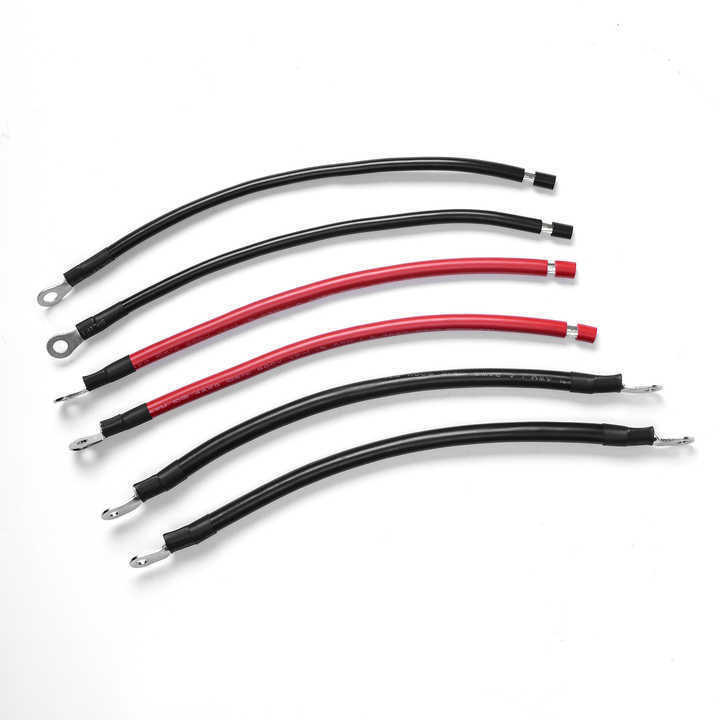
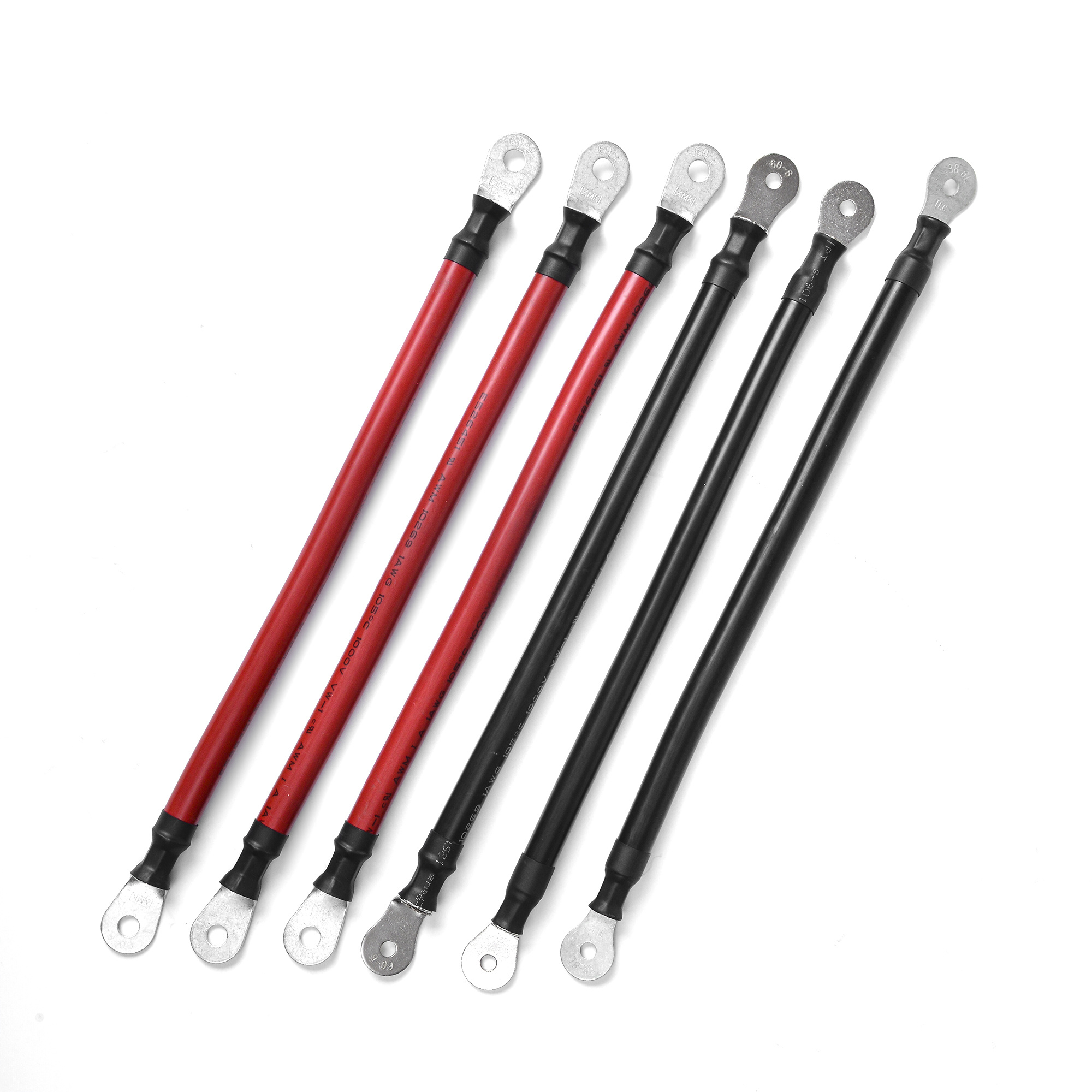
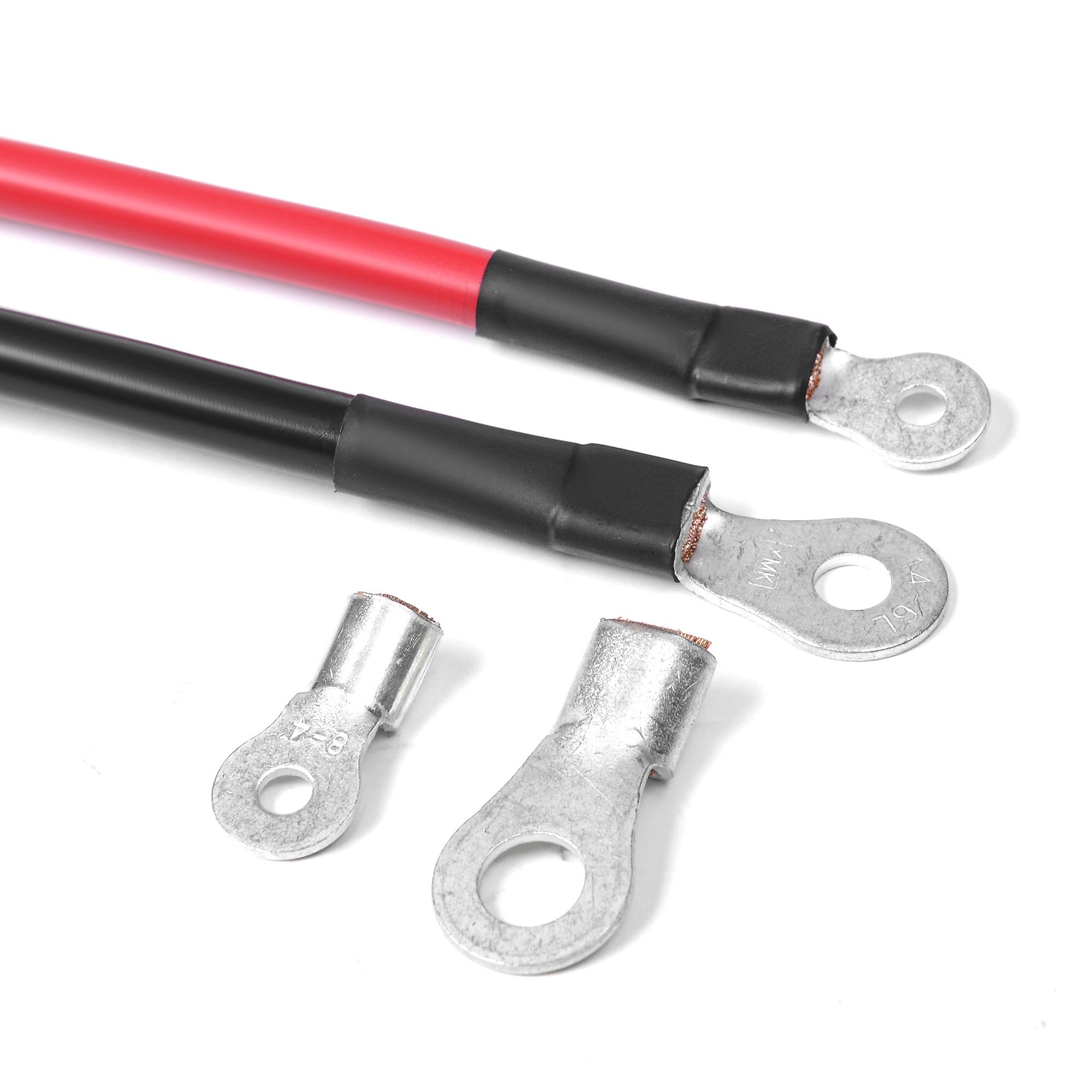
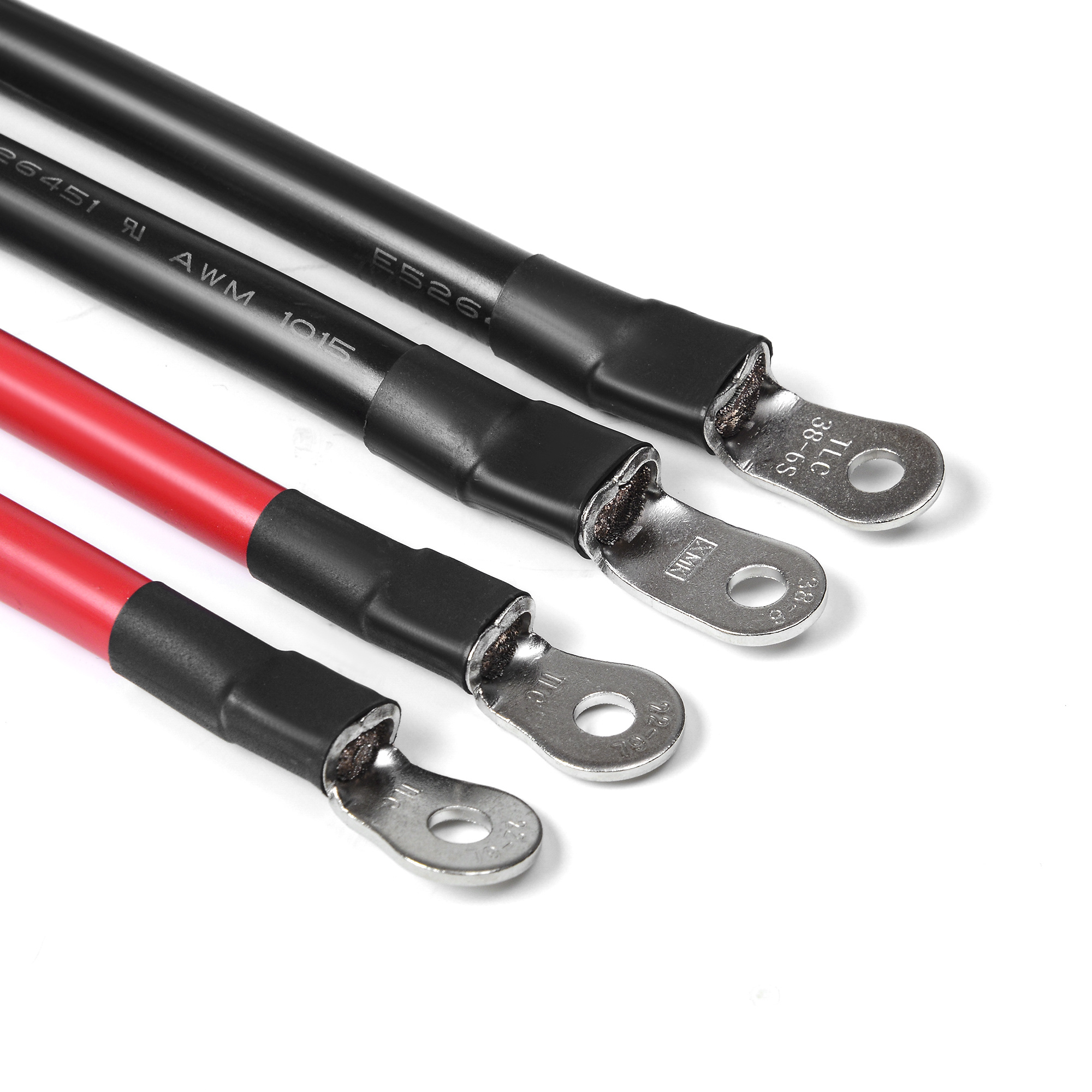
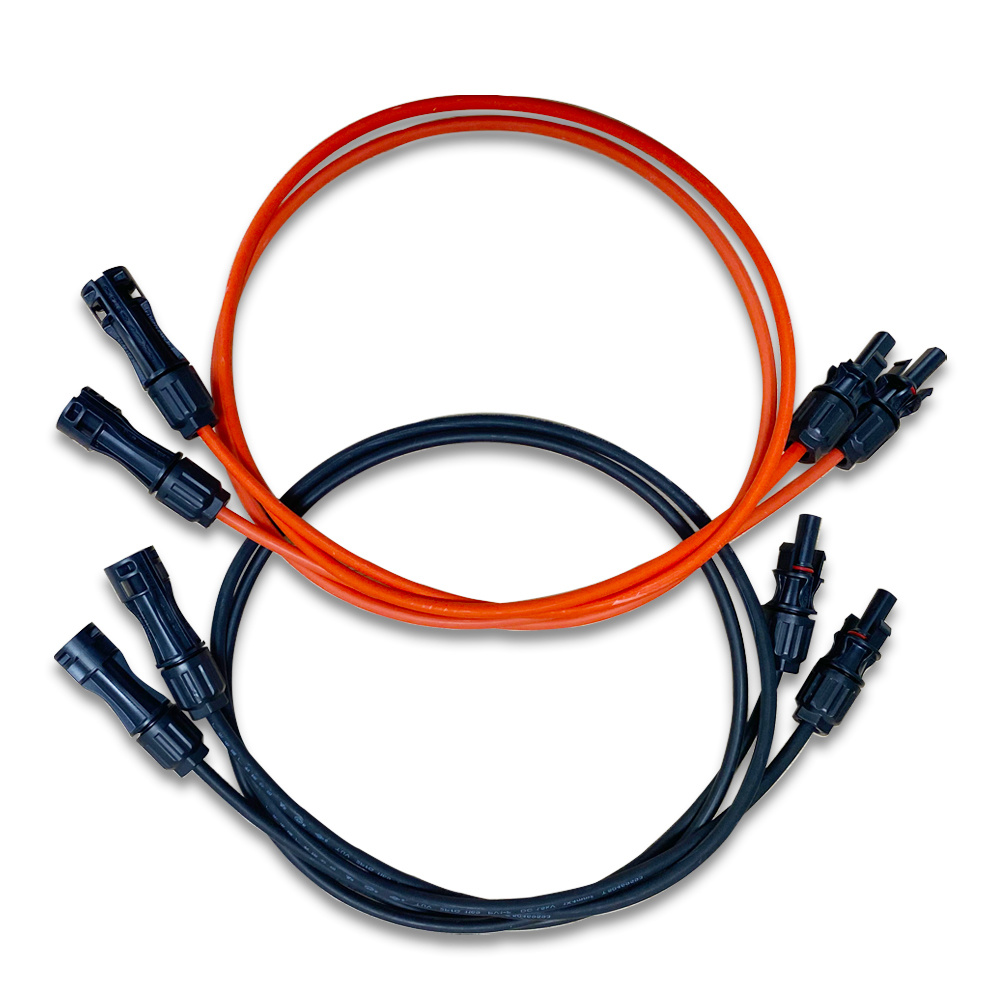
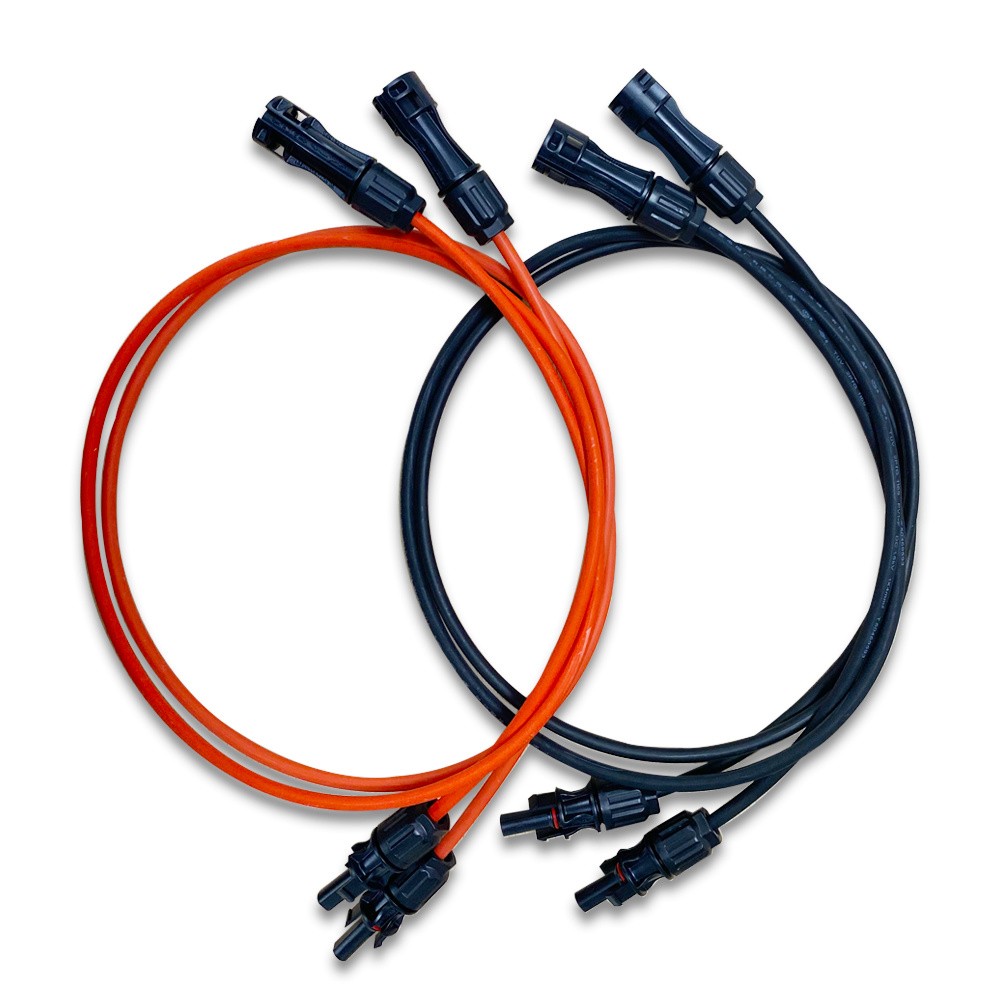
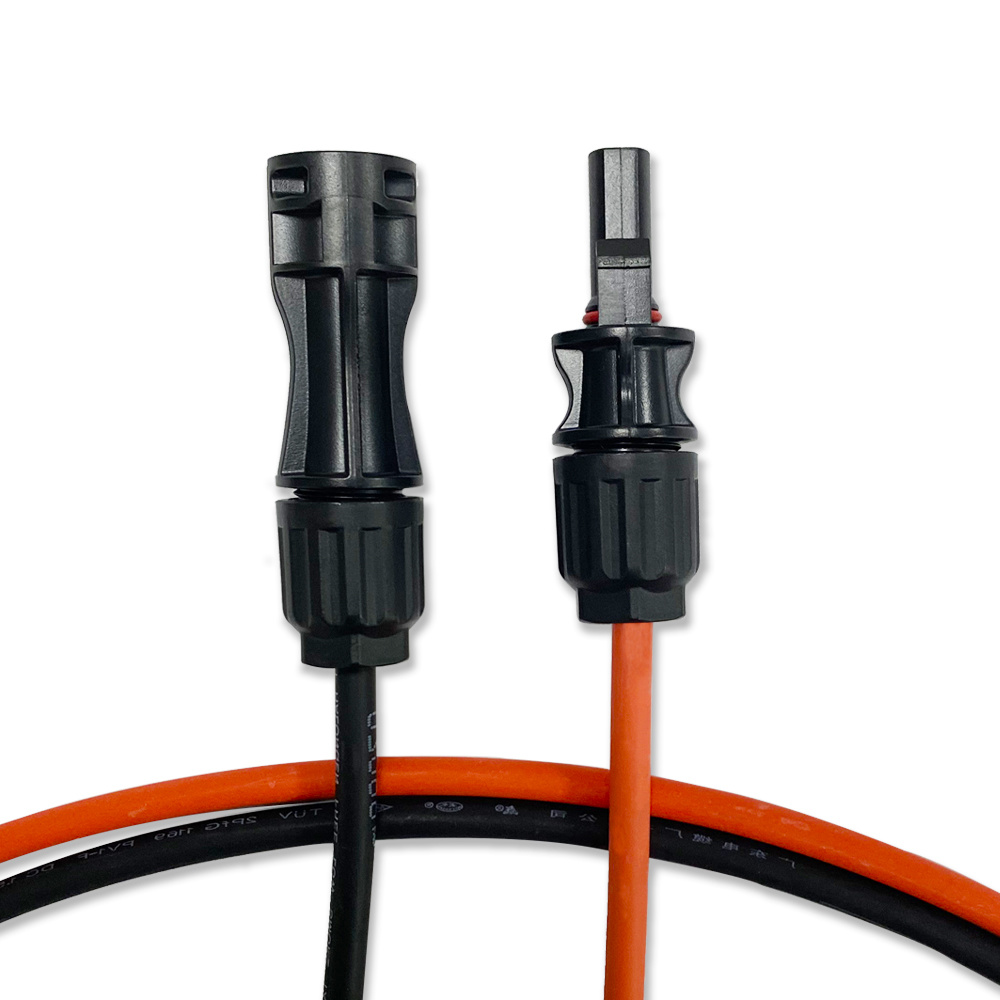
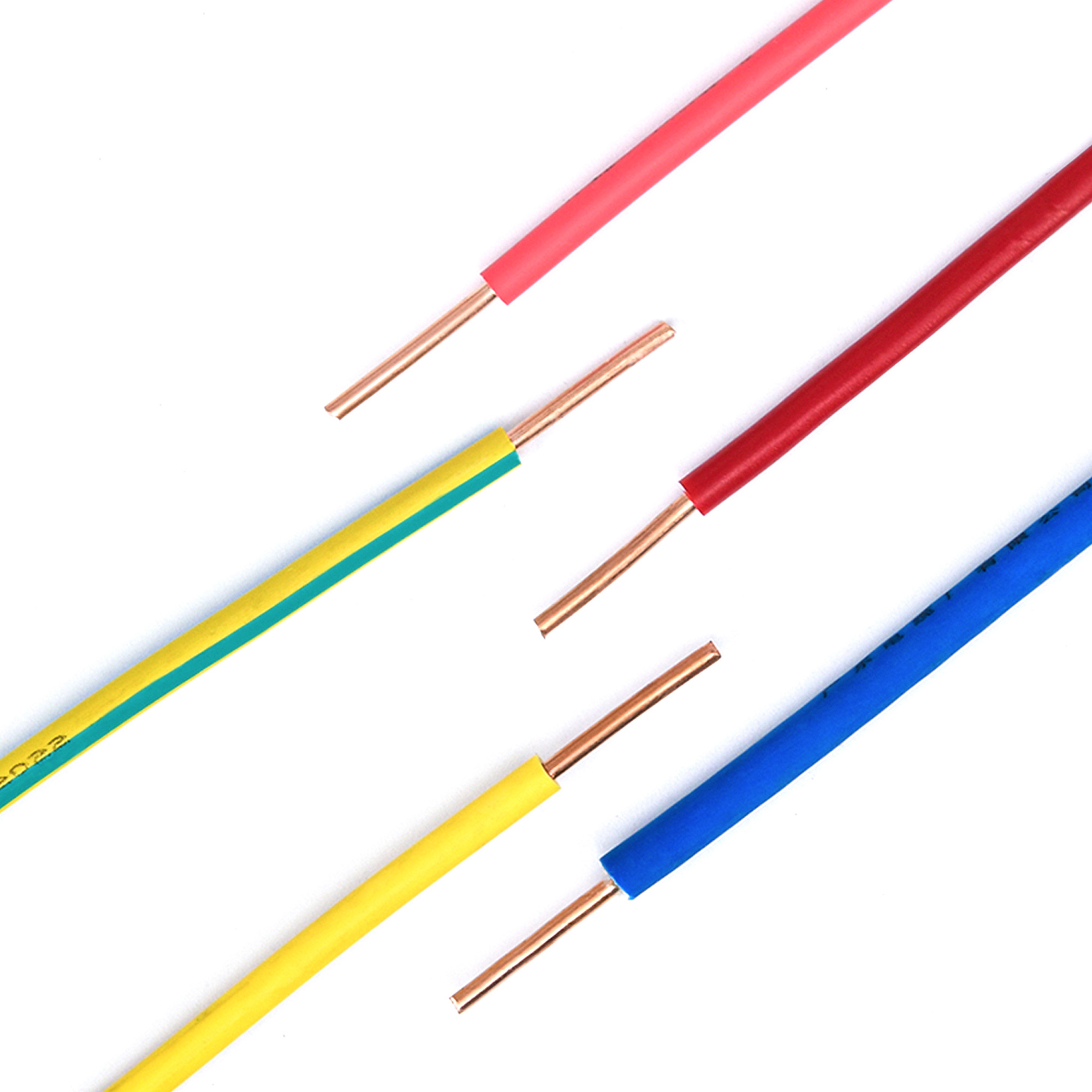
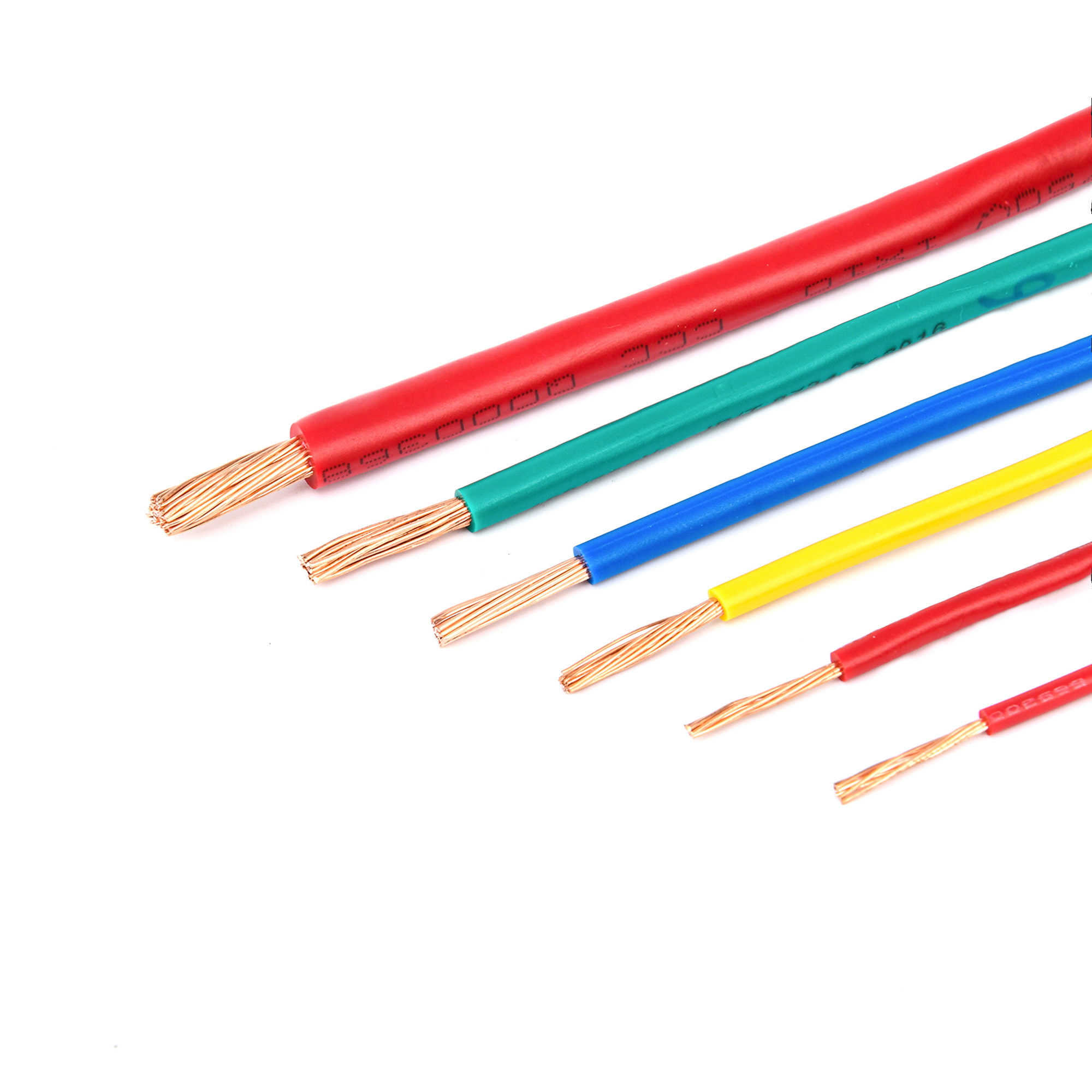
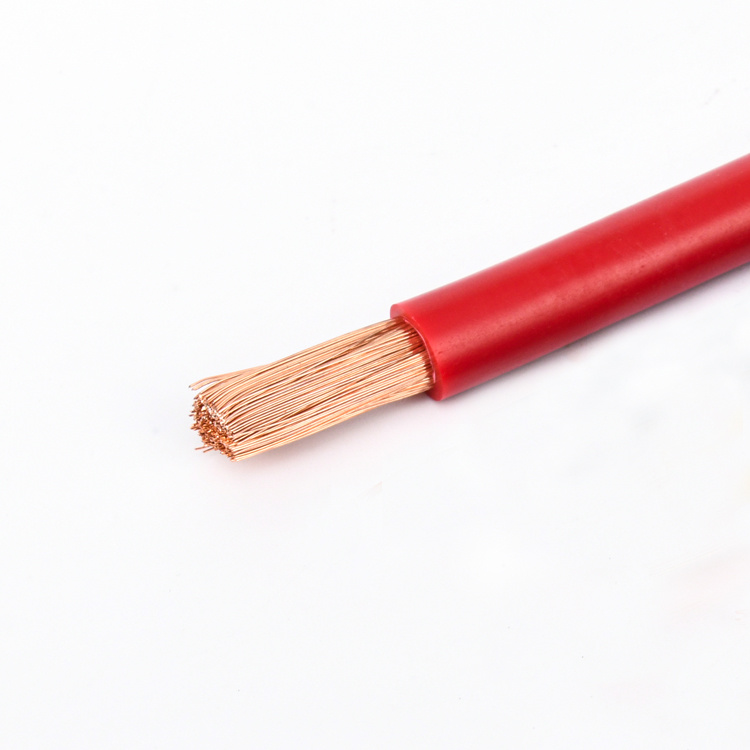
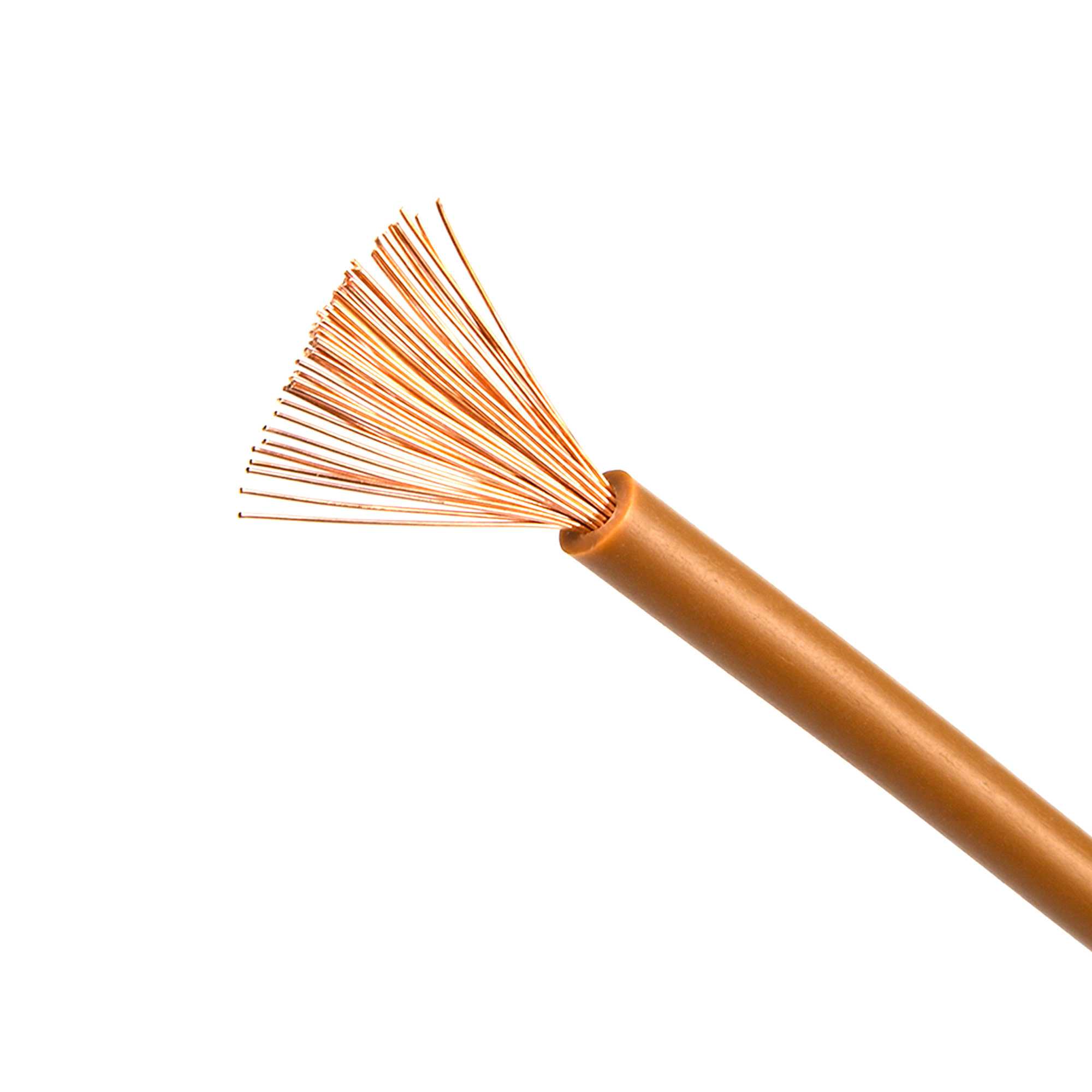
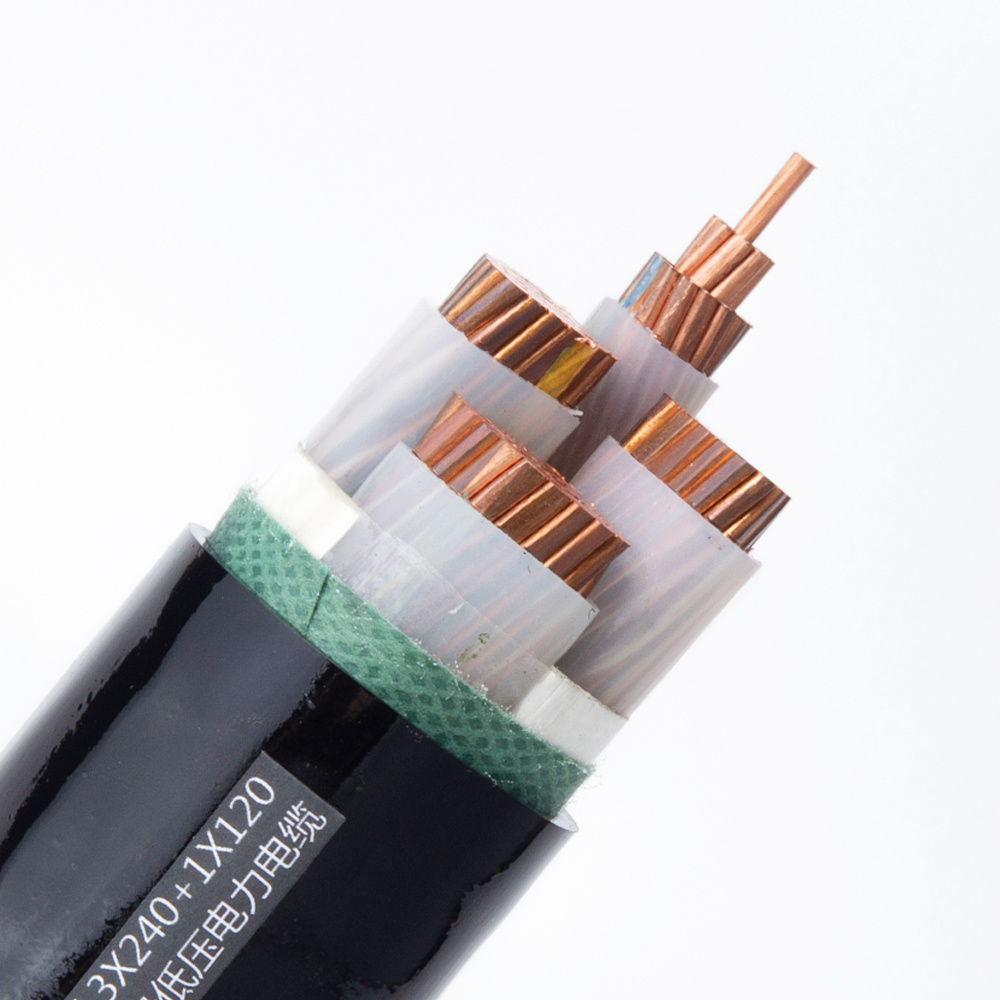
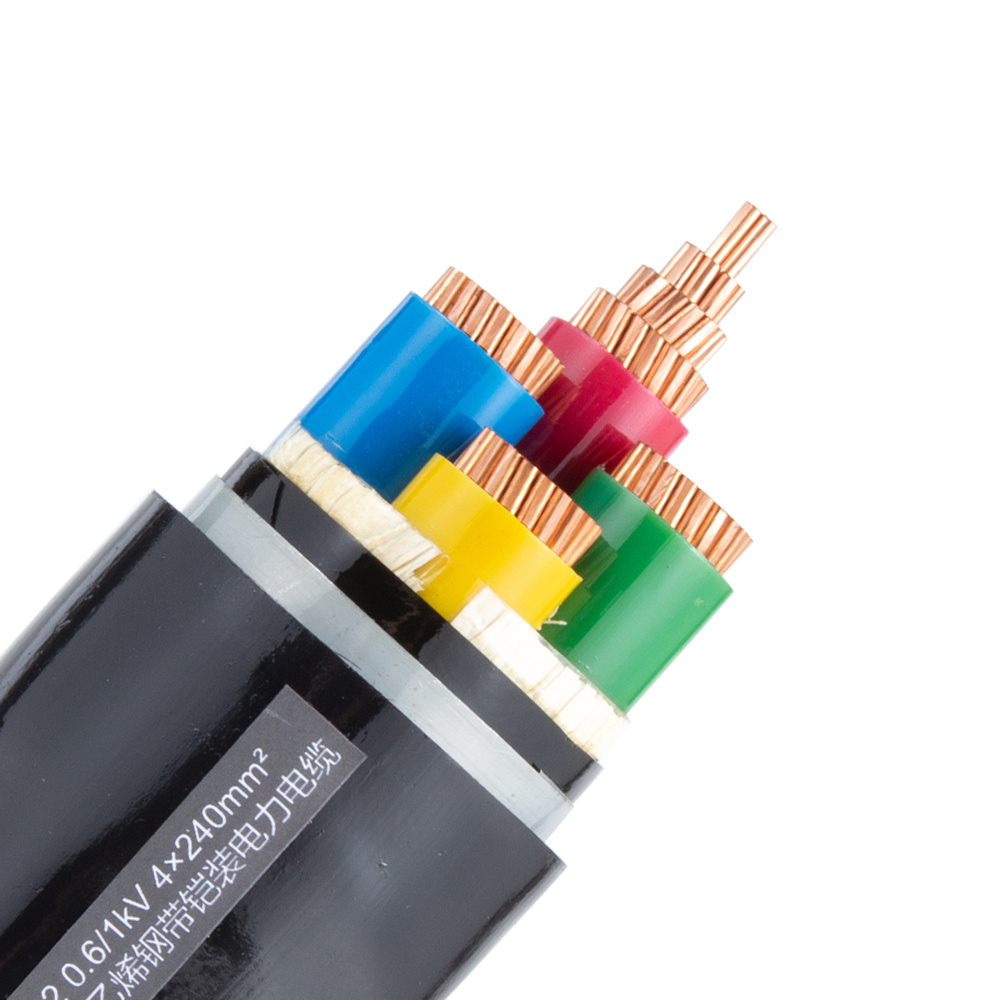
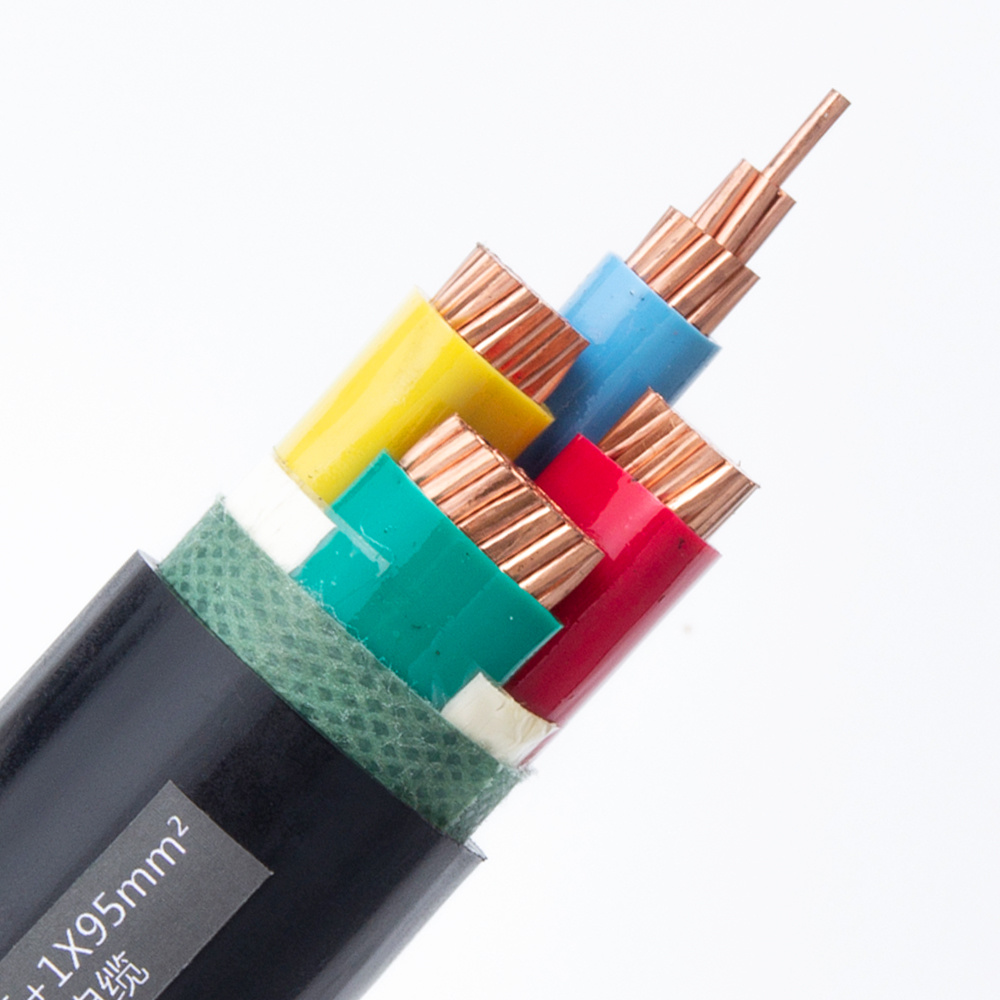
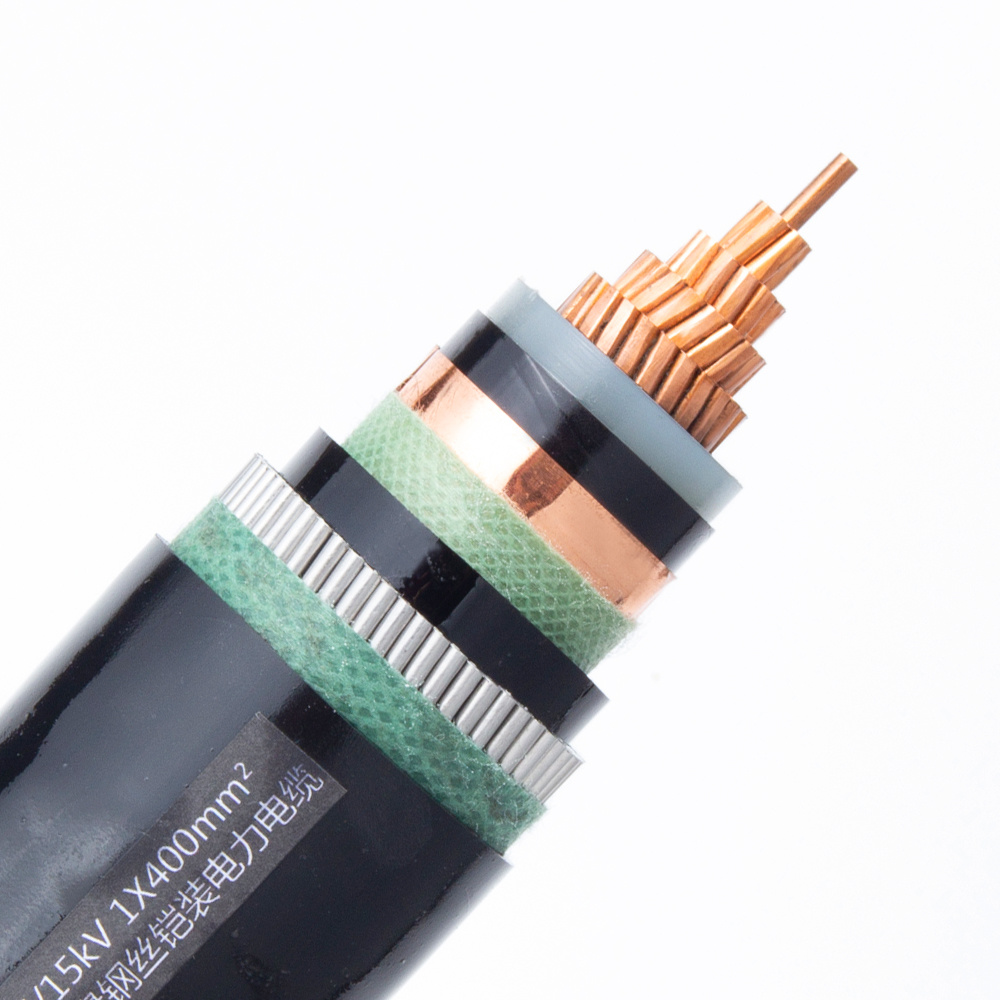
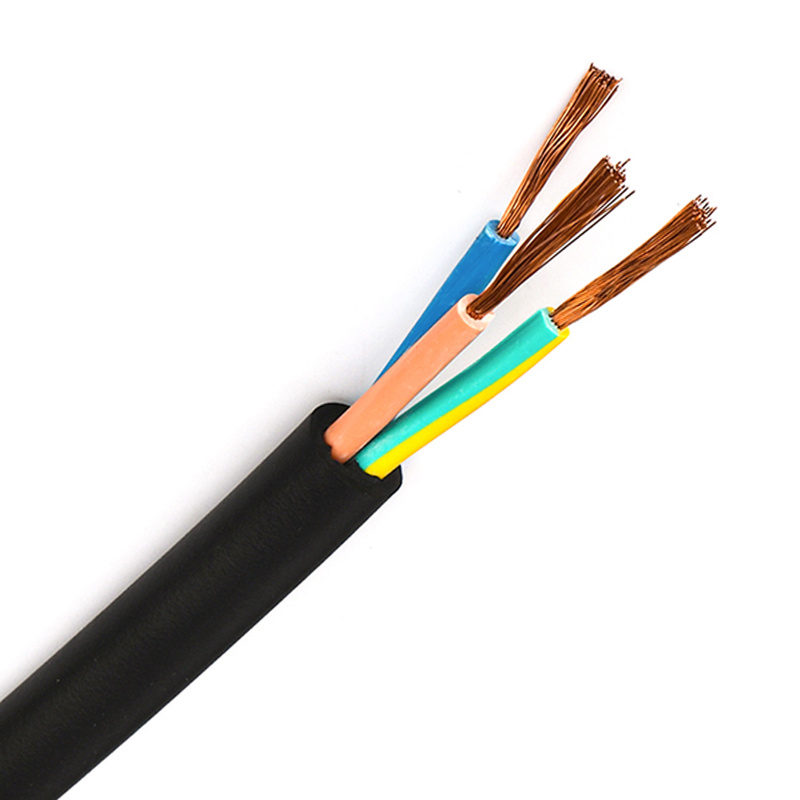
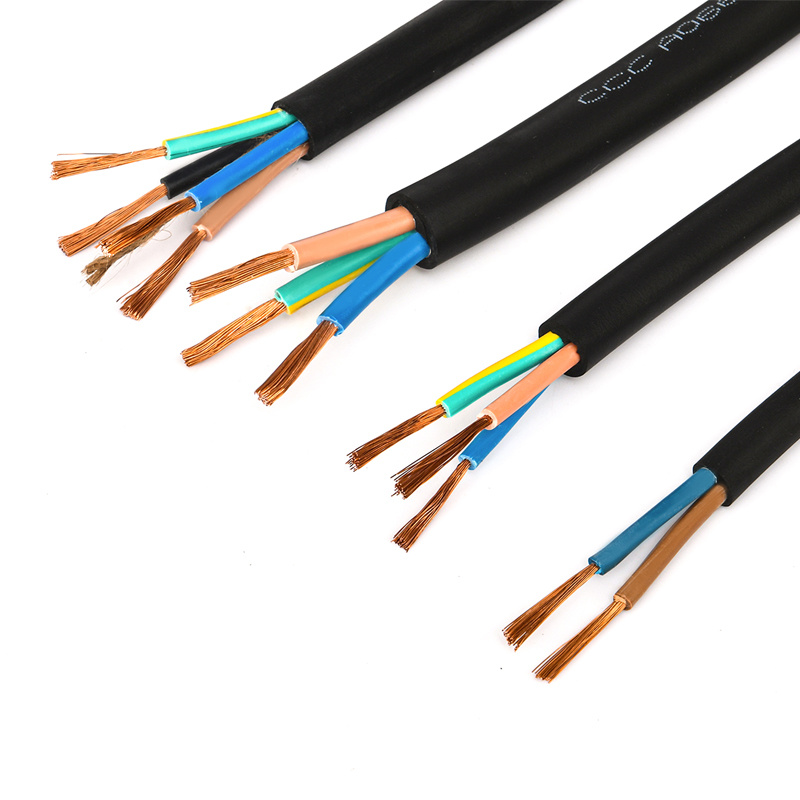
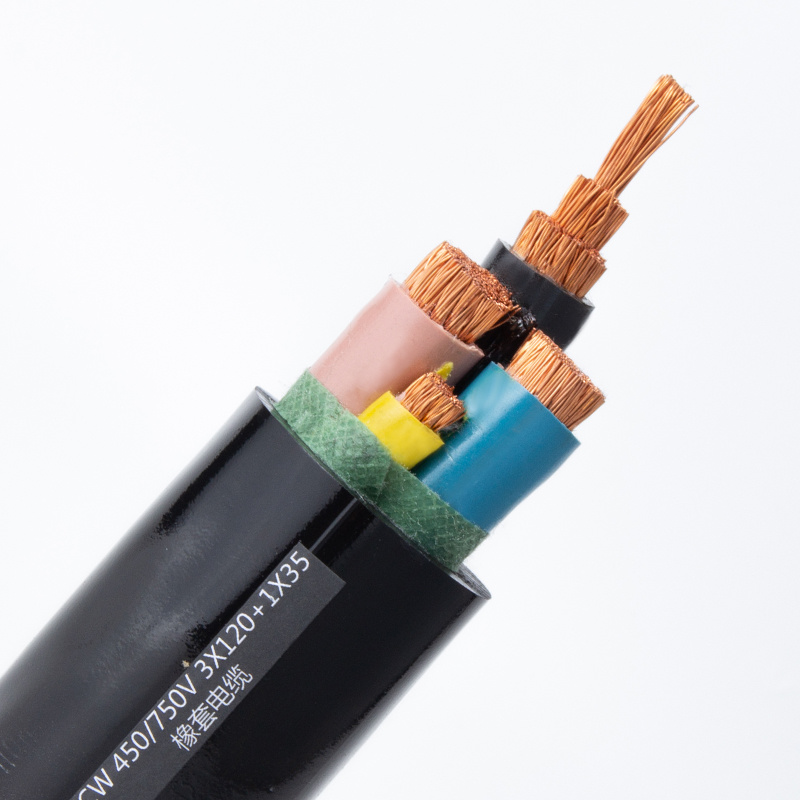
solar cables are specially used for connecting the photovoltaic module and the module and the distribution bos in the DC side fo the photovoltaic power generation system.Solar cables are often exposed to sunlight, and solar energy systems are often used in harsh environmental conditions such as high temperature and ultraviolet radiation.Therefore, the insulation and sheath materials of solar cables should have good weather resistance and aging resistance.
2. Why do solar cables need to be irradiated?
①. Improve the insulation performance of cables
-Improve heat resistance: solar cables that have been cross-linked and irradiated can work in high temperature environments, have better heat resistance, and can effectively avoid insulation aging and softening problems caused by high temperature.
-Improve aging resistance: Cross-linked irradiation treatment can make the molecular structure of cable materials more stable, thereby improving the aging resistance of cables and extending the service life of cables
-Improve mechanical strength: Cross-linked irradiation treatment can improve the mechanical strength and tensile strength of cables, making them more durable and reliable.
-Improve insulation performance: Cross-linked irradiation treatment can improve the insulation performance of cables, improve the insulation strength and insulation resistance of cables, and reduce the insulation failures that may occur during the operation of cables.
②. Extend the service life of cables
Irradiation treatment can significantly improve the weather resistance of solar cables, so that they can still maintain good performance in harsh environments. The service life of solar cables after irradiation treatment can reach more than 30 years.
③. Reduce cable failure rate
Irradiation treatment can improve the heat resistance and cracking resistance of solar cables, reduce the failure rate of cables in high temperature, ultraviolet radiation and other environments, and ensure the safe and stable operation of photovoltaic systems.

3.Mechanism of irradiation
Through the transmission of electron accelerator, high-energy molecules are hit on the insulation layer of the cables, thereby changing the original molecular structure, and the chain structure is transformed into a three-dimensional network structure. This causes a great change in the performance of the insulation layer, and the mechanical and chemical properties are greatly improved.
Irradiation treatment of solar cables is an effective means to improve cable performance, extend service life, and reduce failure rates. VAZPO has 6 irradiation equipment that can meet the production needs of photovoltaic cables and effectively provide production efficiency.
Other News
![[VIDEO]Professional Cable& Wire Manufacturer - Vazpo Cable](/npublic/img/s.png "[VIDEO]Professional Cable& Wire Manufacturer - Vazpo Cable")
Dec 26,2023
[VIDEO]Professional Cable& Wire Manufacturer - Vazpo Cable
Foshan Vazpo New Energy Co.,Ltd is a enterprise specializing in manufacturing various types of wire and cable, Our factory Guangdong Cable factory Co., Ltd Founded in 1968, is a professional cable and wire manufacturer which with 3 production bases which located in Foshan, Guangdong Province, China, covering a total area of 400,000 square meters.
View Detail
Oct 31,2024
Installation steps of solar connector
When installing solar connectors, please be sure to follow the relevant safety regulations and manufacturer's installation guidelines to ensure installation quality and system safety.
View Detail
Oct 25,2024
Importance of tensile strength in pv cables
The tensile strength of pv cables is an important technical parameter, which is directly related to the reliability, safety and service life of the cables.
View Detail
Oct 25,2024
Why are solar cables so expensive? What’s the different from ordinary cables?
The sheath and insulation of solar cables are usually made of materials that are resistant to high and low temperatures, UV rays, ozone and chemical corrosion, such as XLPO materials.
View Detail



We sincerely looking forward to cooperating with you !
Copyright © 2023 Foshan Vazpo New Energy Co., Ltd.
佛山市威之宝新能源有限公司
佛山市南海区桂城街道桂澜北路28号南海万达广场南1栋704A室(住所申报)
Email:vazpom@vazpocable.com
Phone:+86 18038777060