
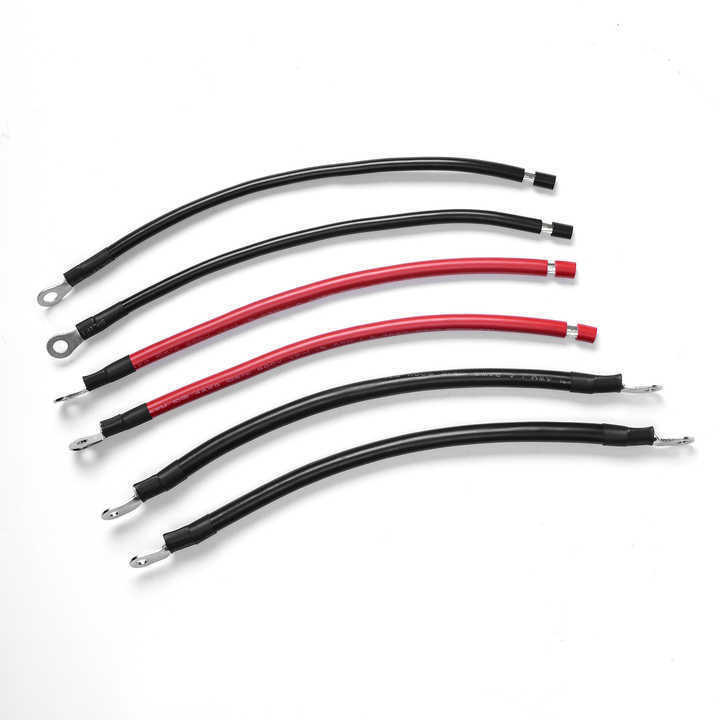
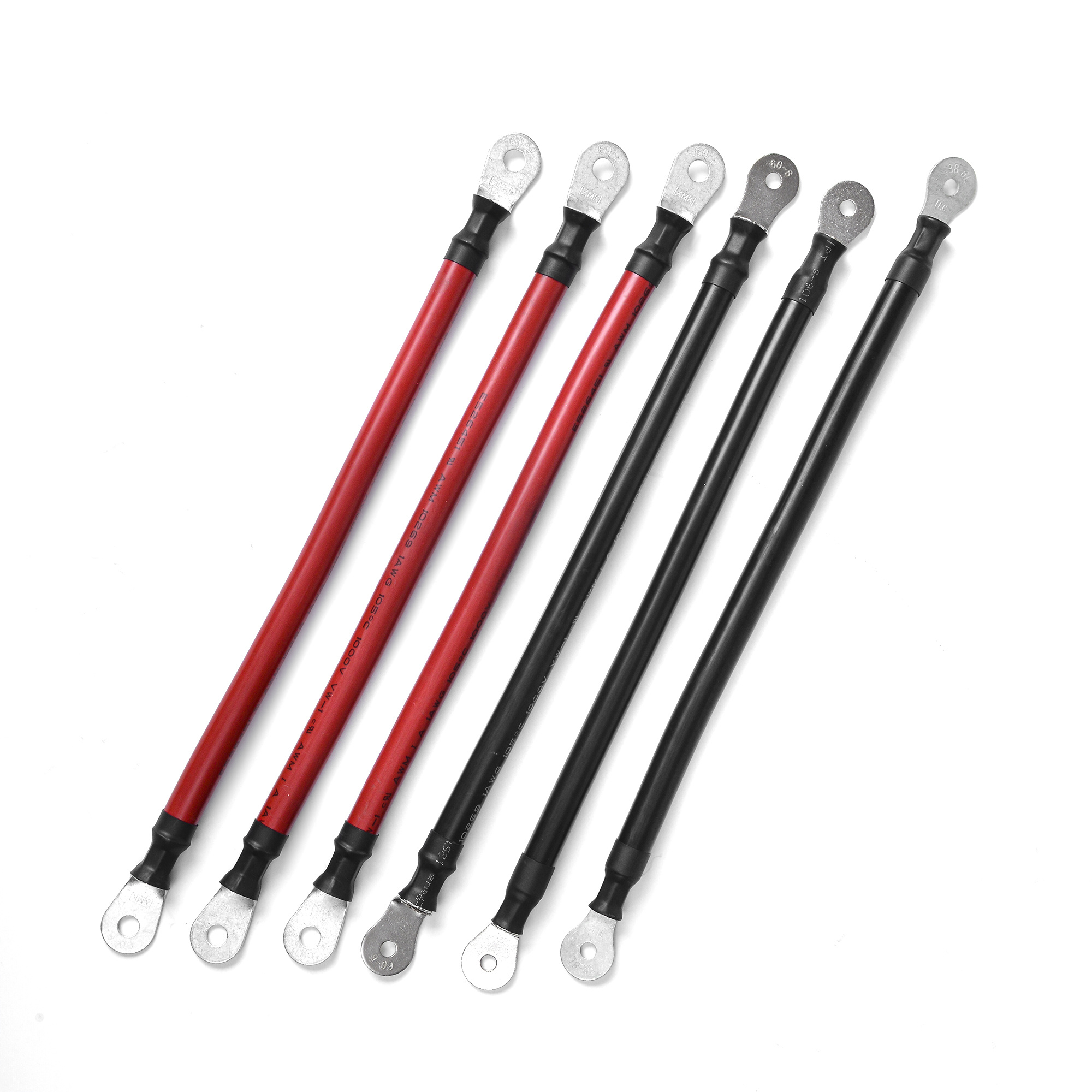
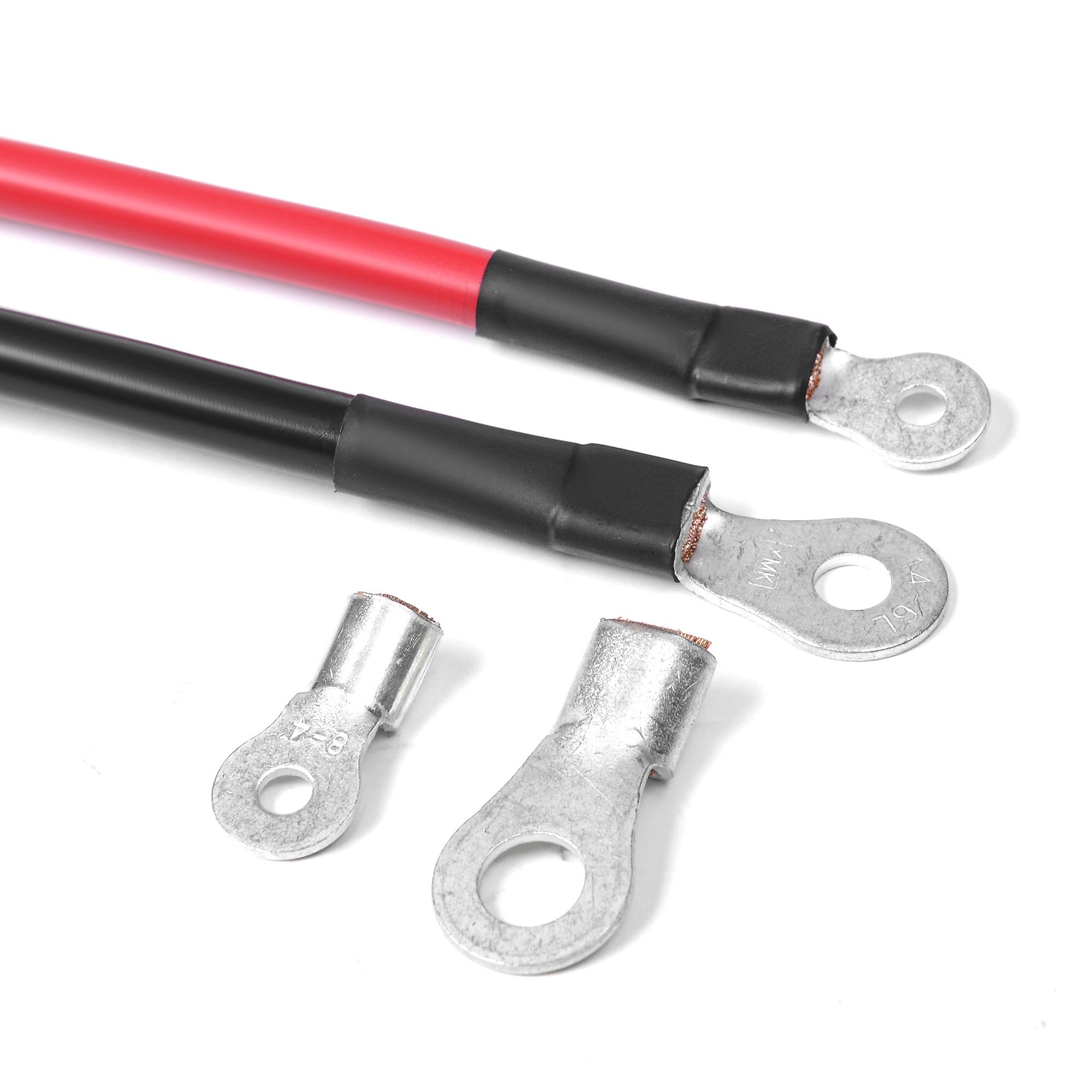
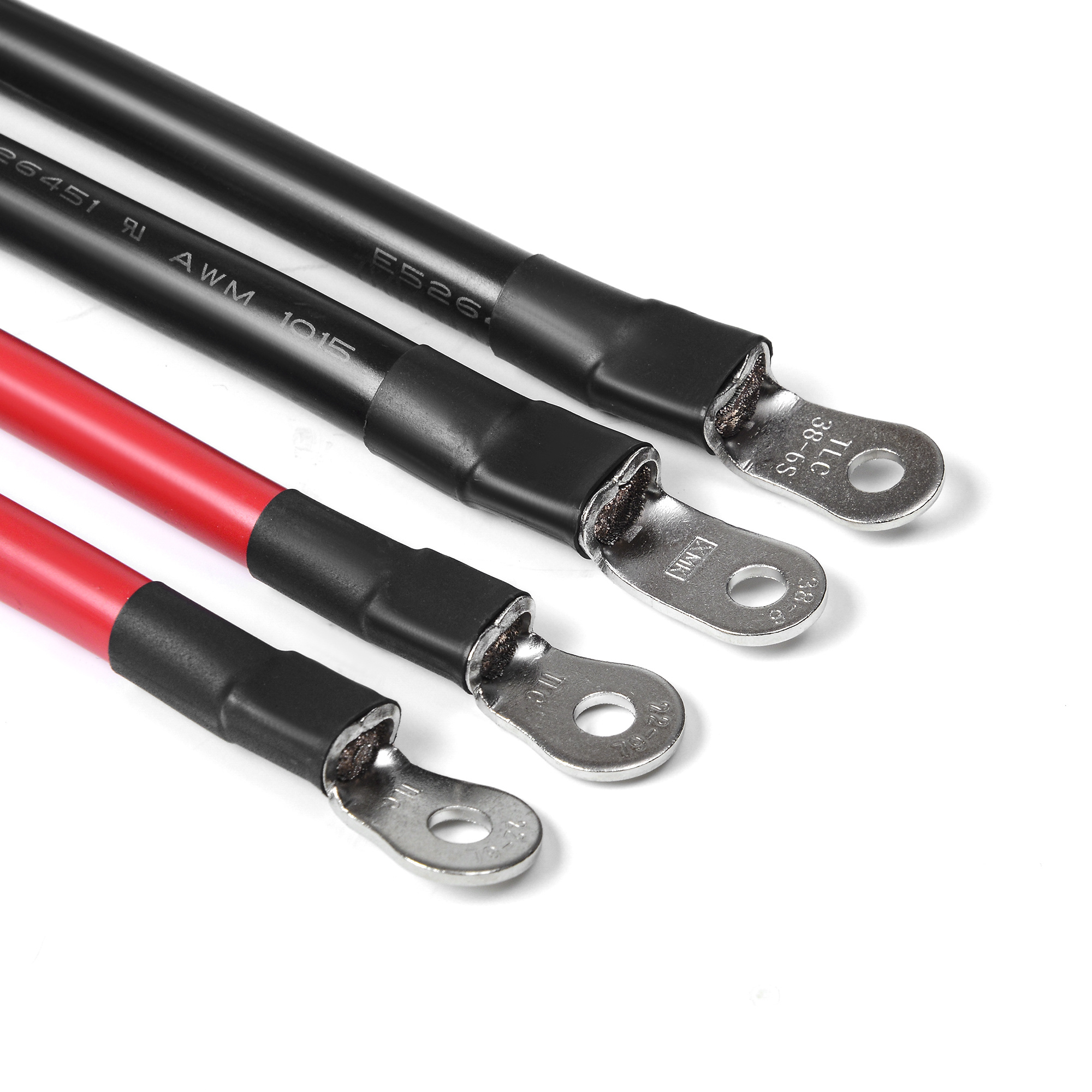
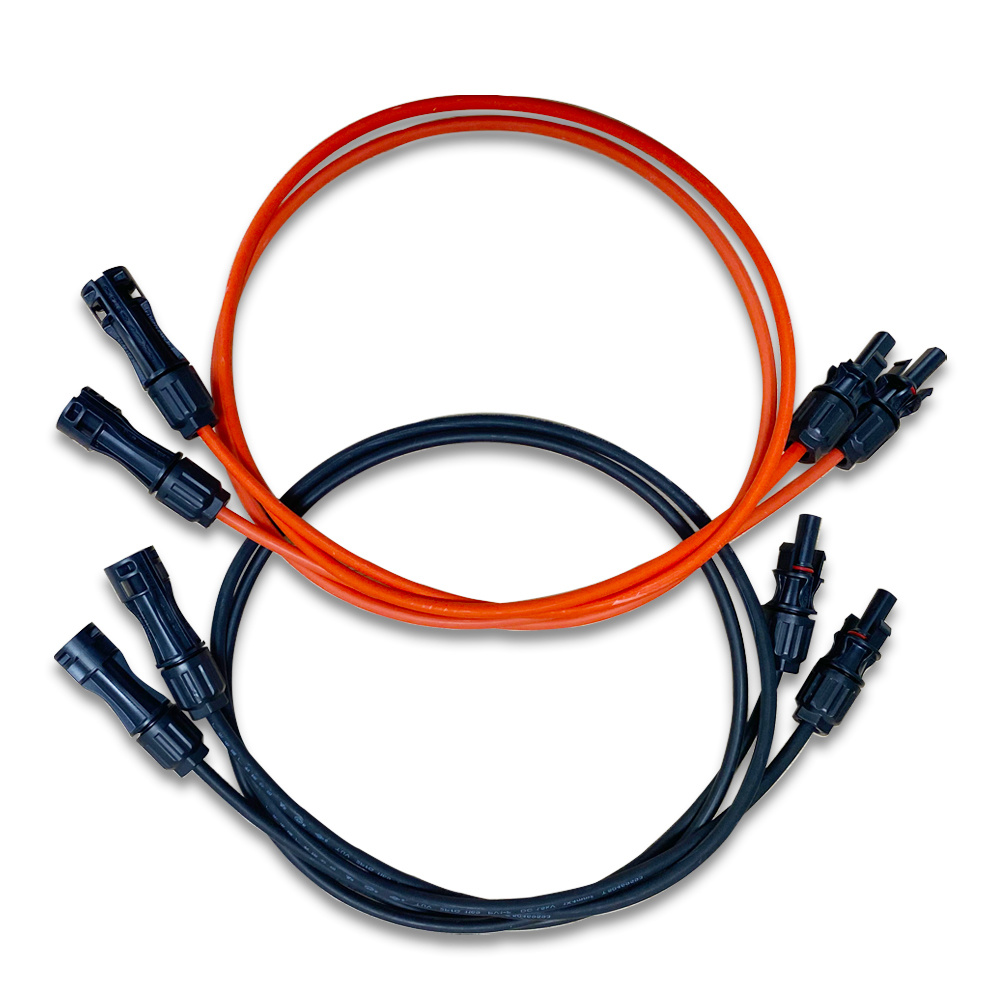
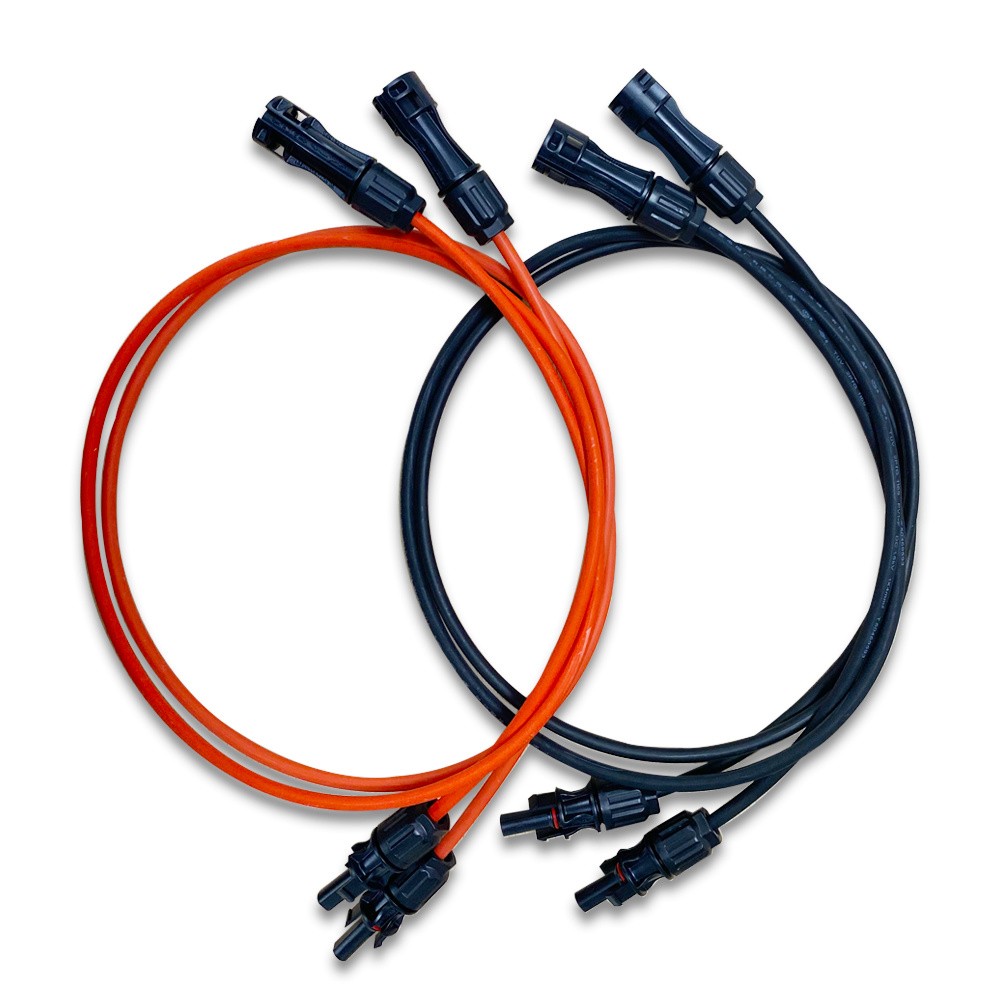
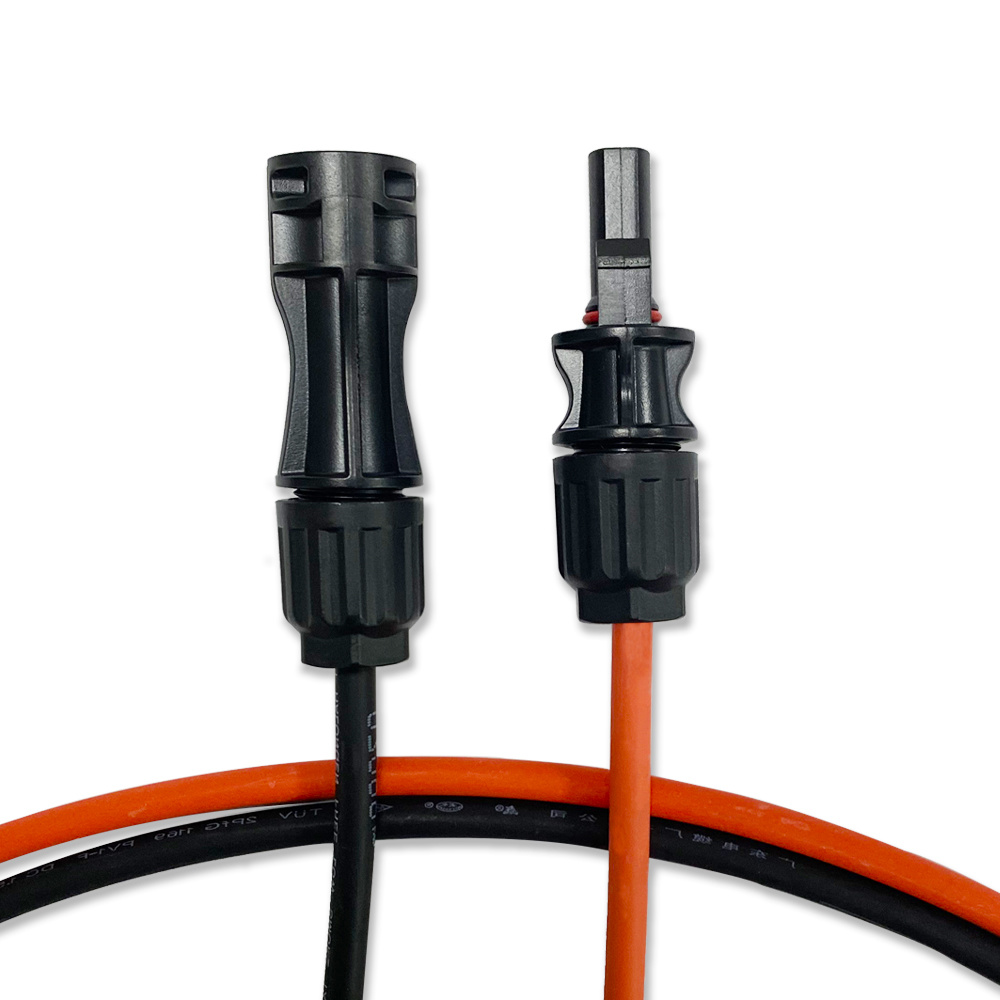
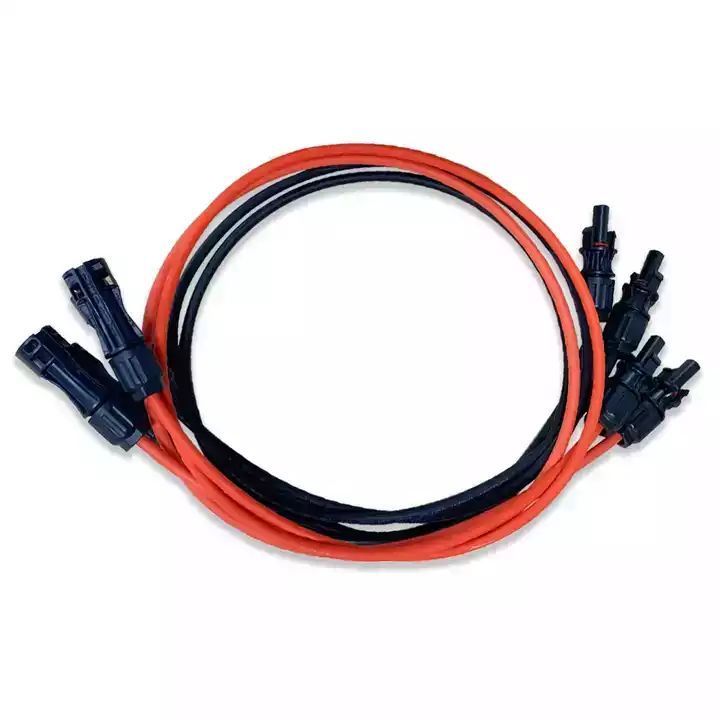
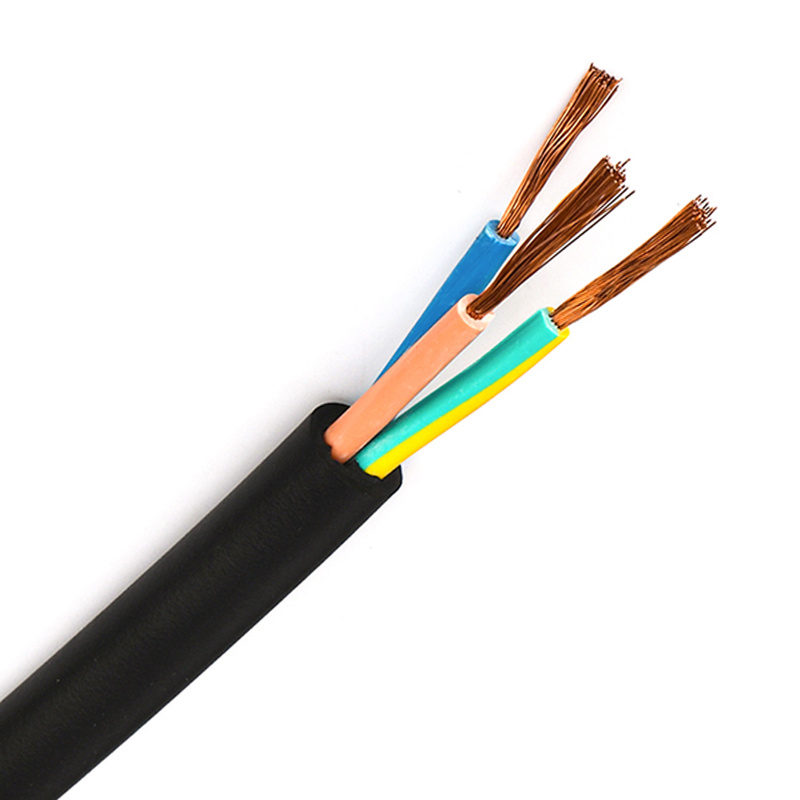
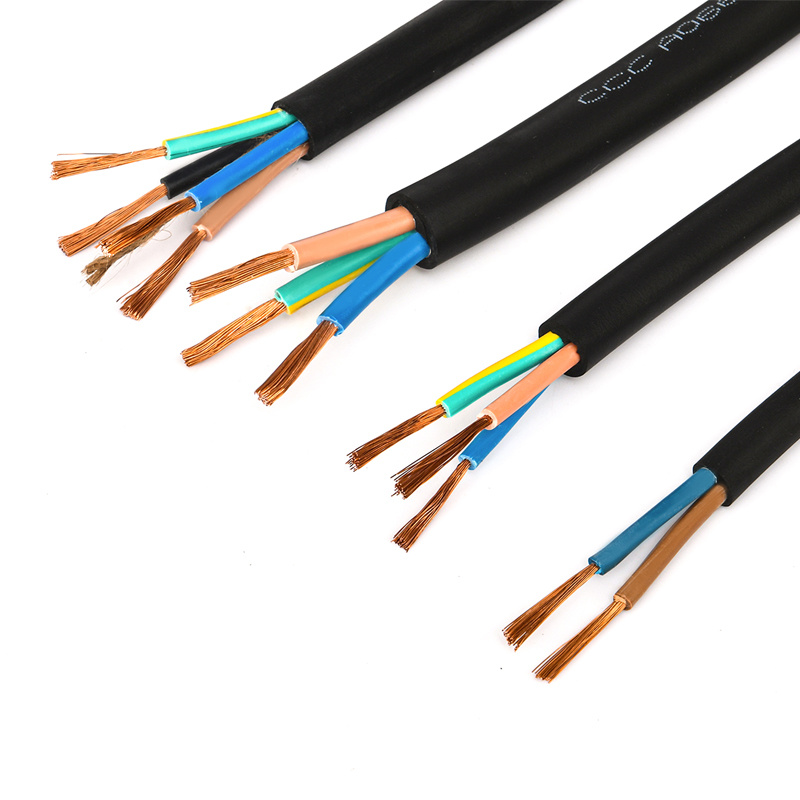
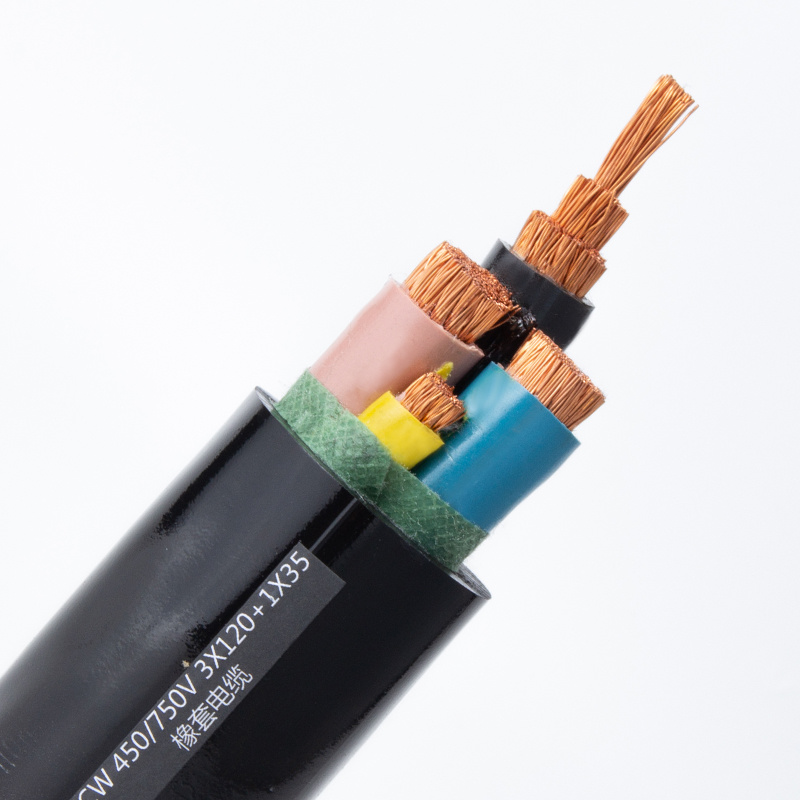
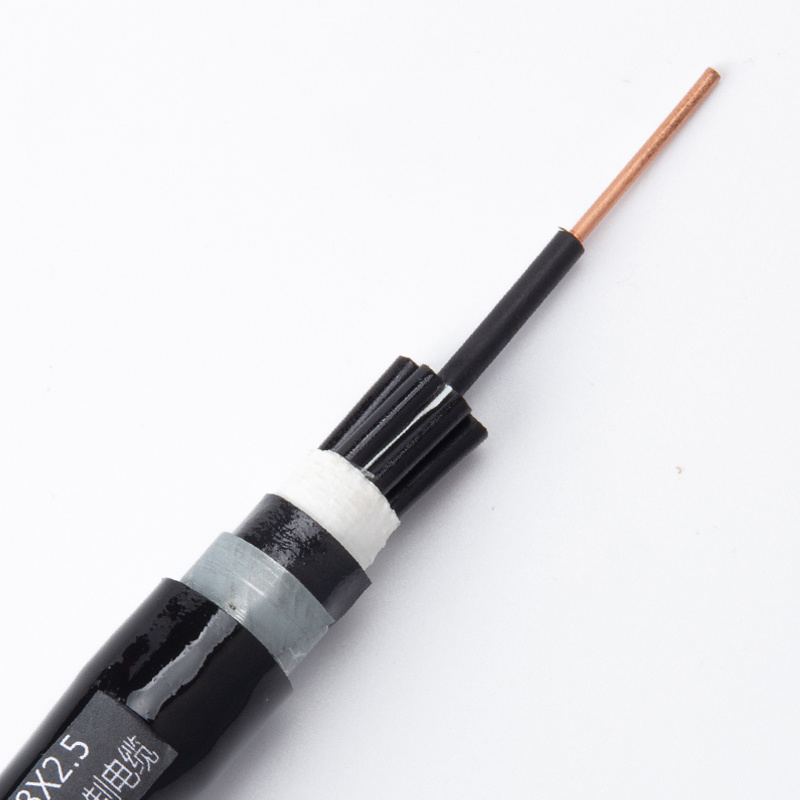
Installation steps of solar connector
Installation steps of solar connector

solar connectors are an important component of solar systems, used to connect solar modules and cables to ensure stable current transmission. The following are the installation steps for general solar connectors (such as MC4 connectors):
1. Preparation work:
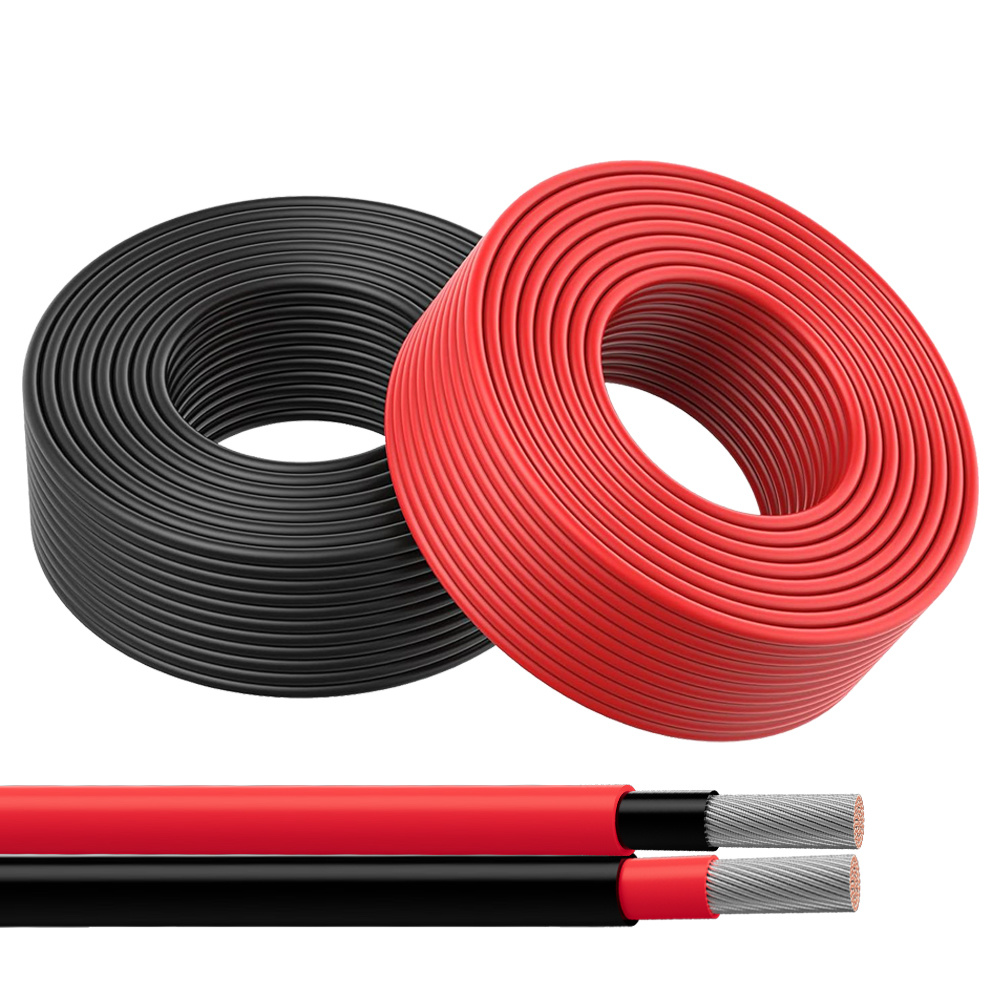
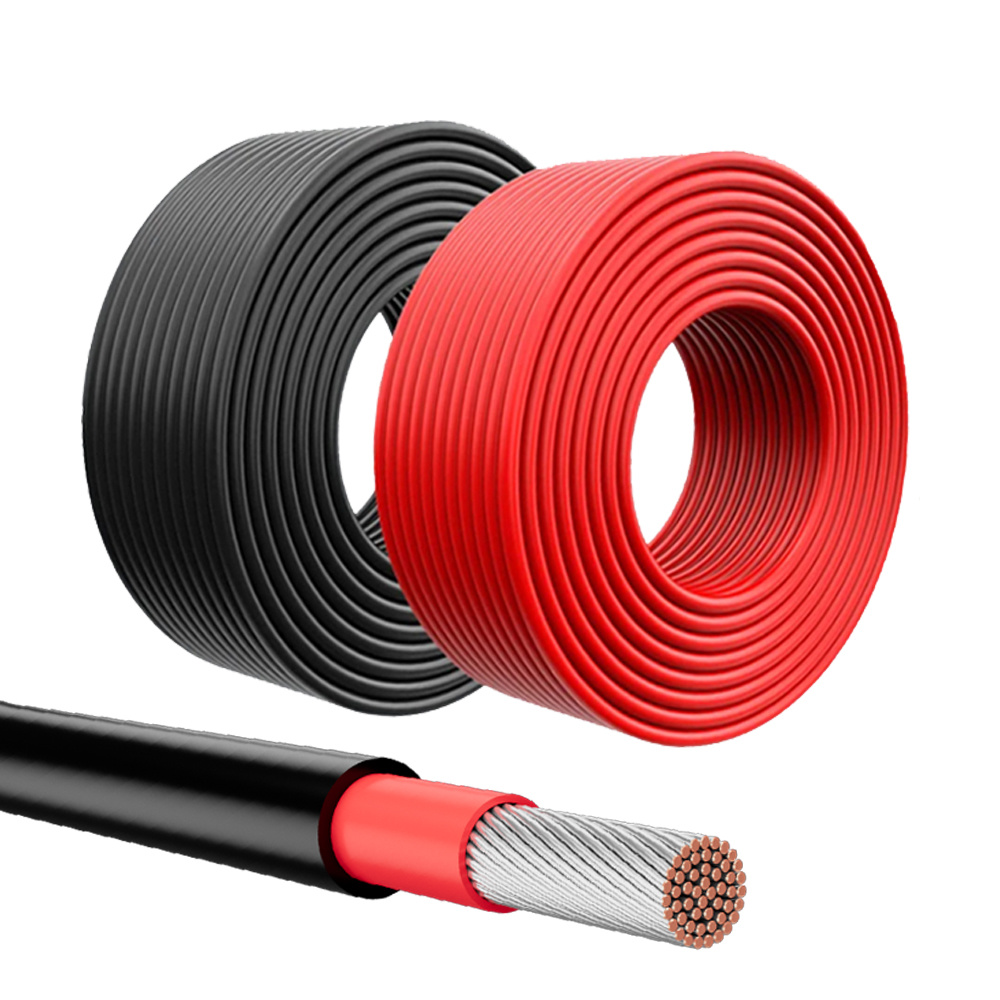
Prepare the solar connectors, specialized crimping tools, wire strippers, and cleaning tools (such as alcohol swabs) that need to be installed. At the same time, it is necessary to ensure that the specifications of the solar cable match the connector.
2. Wire stripping:
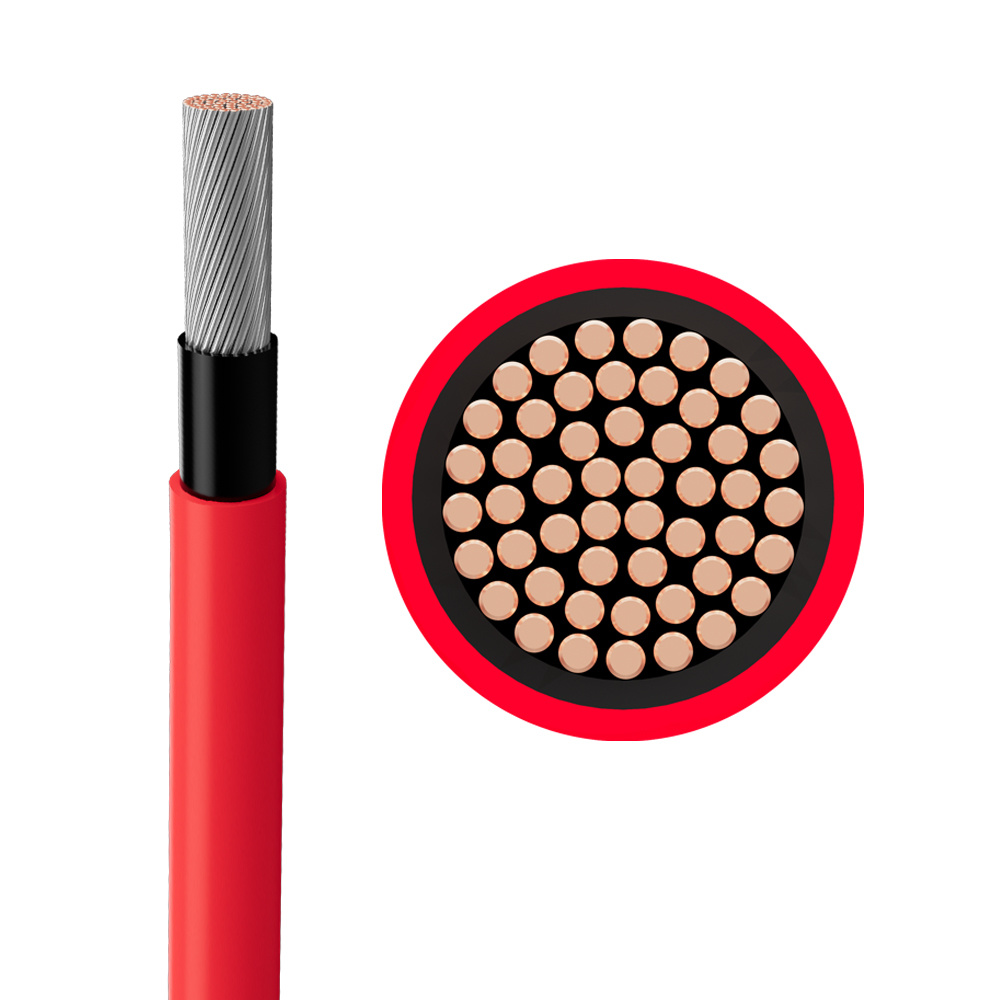
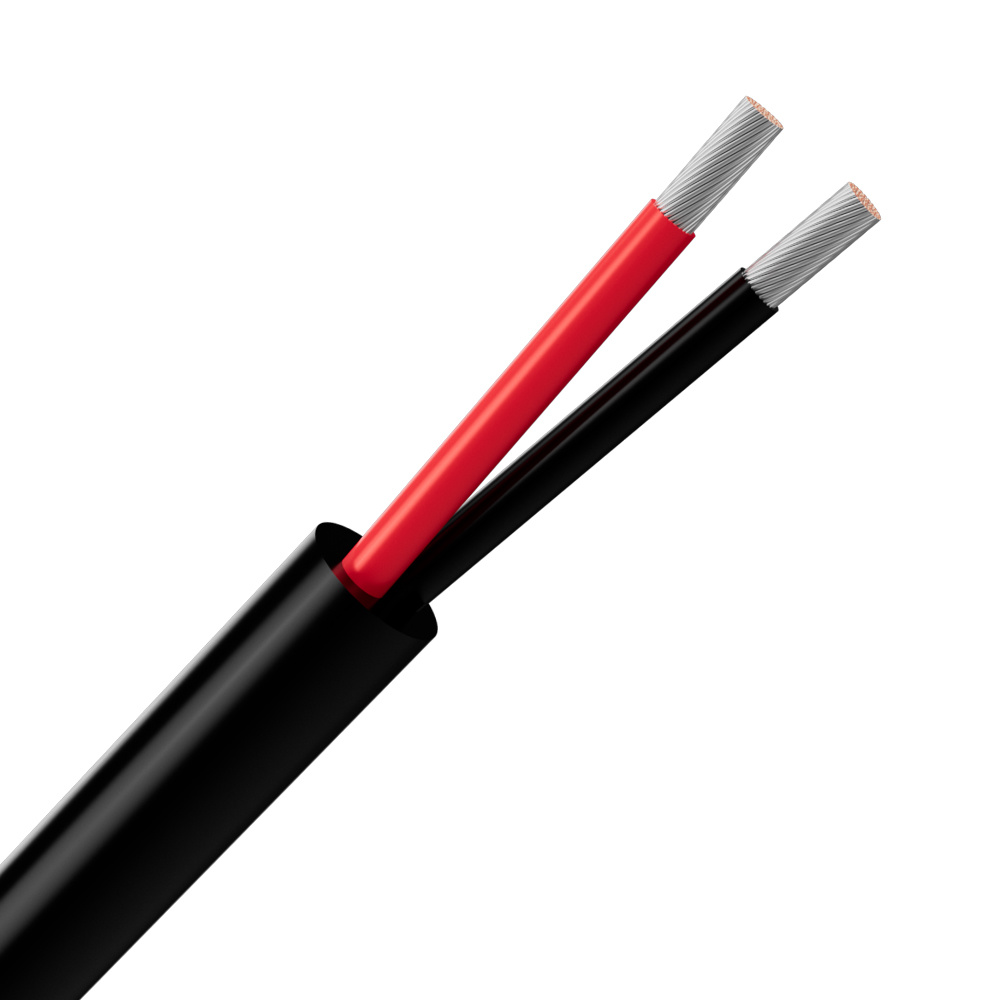
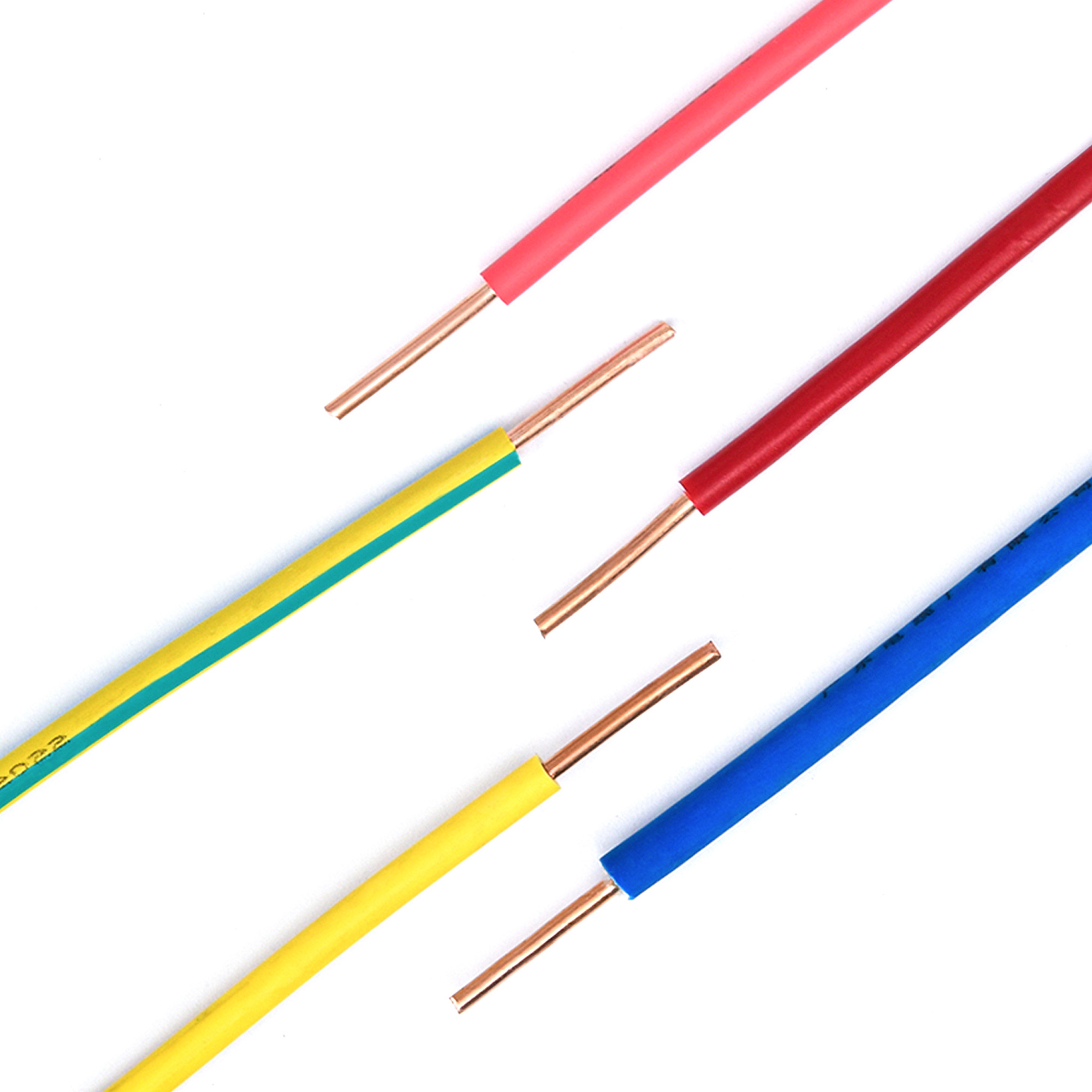
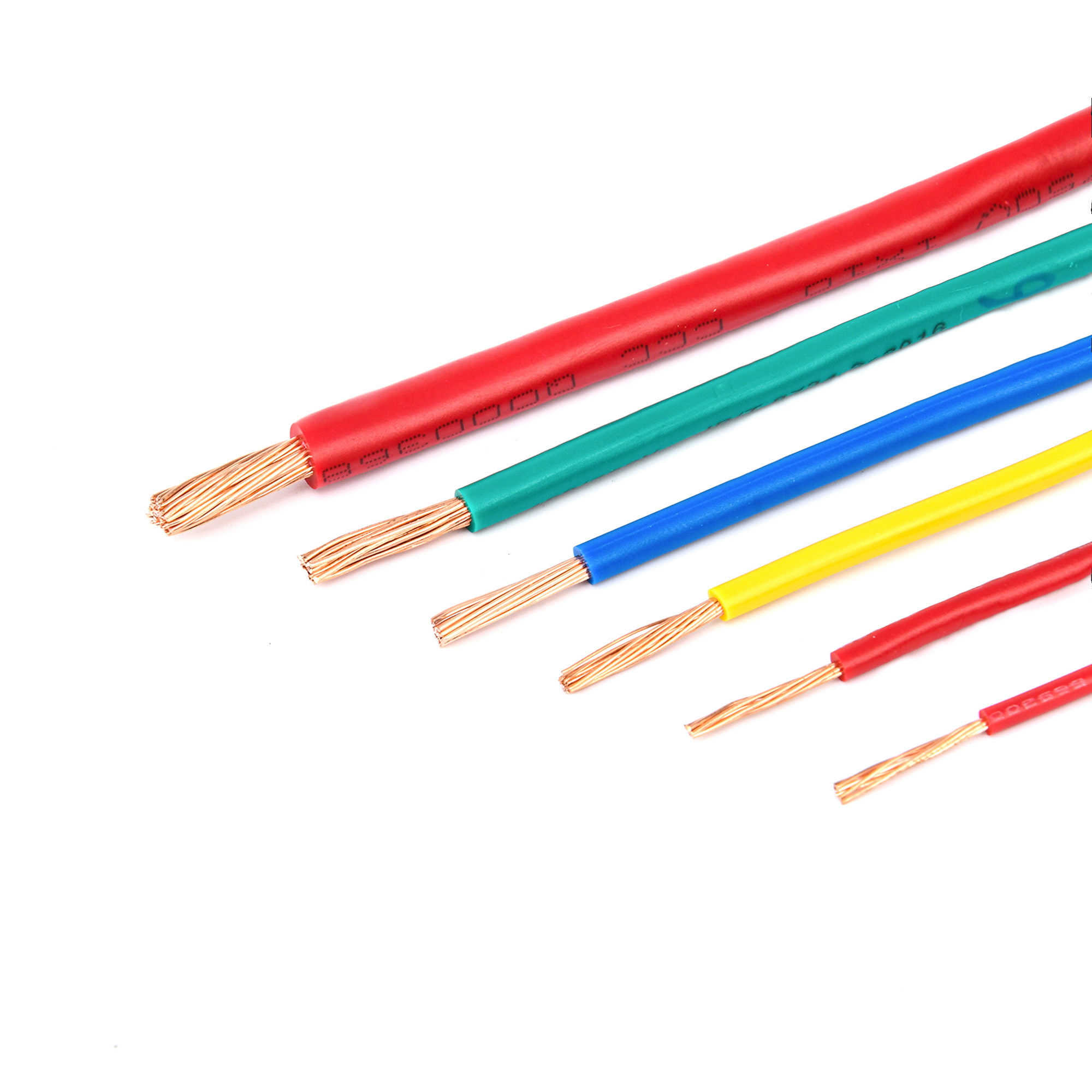
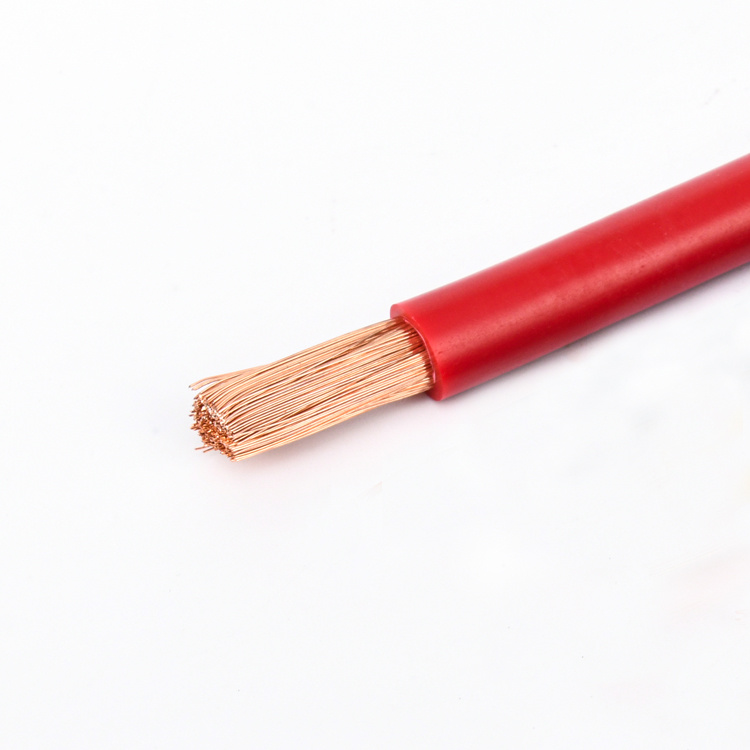
According to the specifications of the connector, the insulation layer at the end of the cable is usually stripped to a length of about 10-12 millimeters.
3. Cutting:
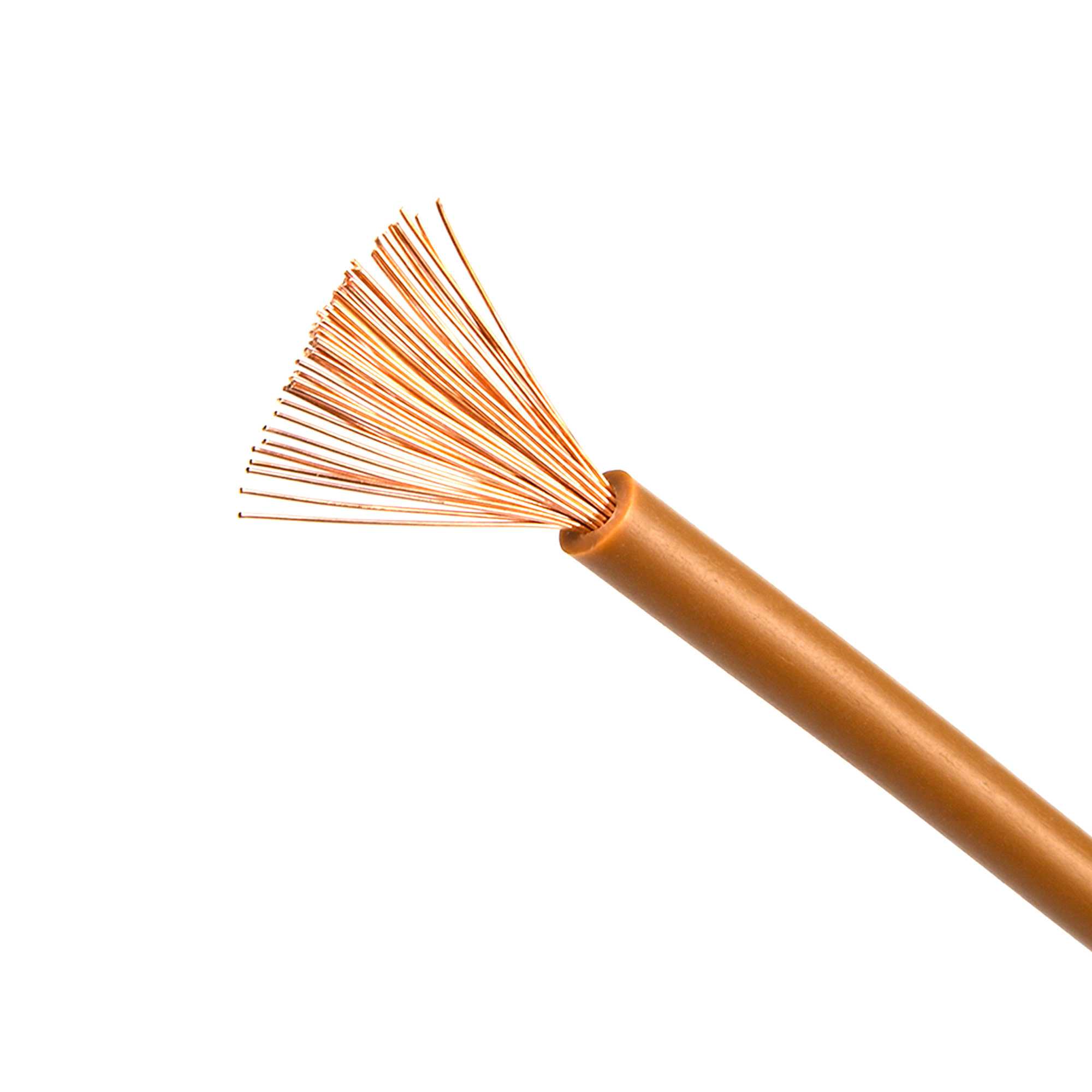
If the conductor is too long, use a wire cutting tool to cut the conductor to the appropriate length.
4. Cleaning:
Carefully clean the surface of the cable conductor with an alcohol cotton ball to remove impurities such as oil stains and oxide layers, ensuring a clean conductor surface and good conductivity.
5. Inserting conductors:
Insert the cleaned conductor into the crimping part of the solar connector, ensuring that the conductor is fully inserted into place.
6. Crimping:
Use specialized crimping tools to crimp the connector portion of the inserted cable according to the crimping position and method specified by the connector manufacturer. Ensure tight connections and avoid looseness. The crimped connector should not be loose, and the conductor should be completely crimped inside the connector.
7. Encapsulation:
According to the design of the connector, install a protective cover or sealing ring to ensure that the connection is waterproof and dustproof.
8. Inspection:
After completing the crimping, carefully check whether the connection between the connector and the cable is firm. You can gently pull the cable to check for any looseness. At the same time, professional tools can be used to check the electrical performance of the connection, such as whether the contact resistance is within a reasonable range.
When installing solar connectors, please be sure to follow the relevant safety regulations and manufacturer's installation guidelines to ensure installation quality and system safety.
Other News

Jun 13,2024
Why choose aluminum alloy photovoltaic cables?
Aluminum alloy cables have lower resistance compared to copper cables, which can reduce energy loss and improve overall system efficiency.
View Detail
May 23,2024
The best way to find UL certified solar cable
When purchasing UL certified solar cable, it is recommended that you choose reputable and experienced suppliers to ensure product quality and after-sales service are guaranteed.
View Detail
Apr 25,2024
Welcome Nigerian customers to visit photovoltaic cable factory of Vazpo
On April 19th, VAZPO had the honor to welcome customers from Nigeria and conduct an exchange event.
View Detail
Apr 20,2024
Unraveling the Potential of Solar Cable Solutions in the European Market
The renewable energy landscape in Europe is undergoing significant transformation, with solar energy becoming a key player in the region's pursuit of sustainable development and energy independence.
View Detail



We sincerely looking forward to cooperating with you !
Copyright © 2023 Foshan Vazpo New Energy Co., Ltd.
佛山市威之宝新能源有限公司
佛山市南海区桂城街道桂澜北路28号南海万达广场南1栋704A室(住所申报)
Email:vazpom@vazpocable.com
Phone:+86 18038777060