
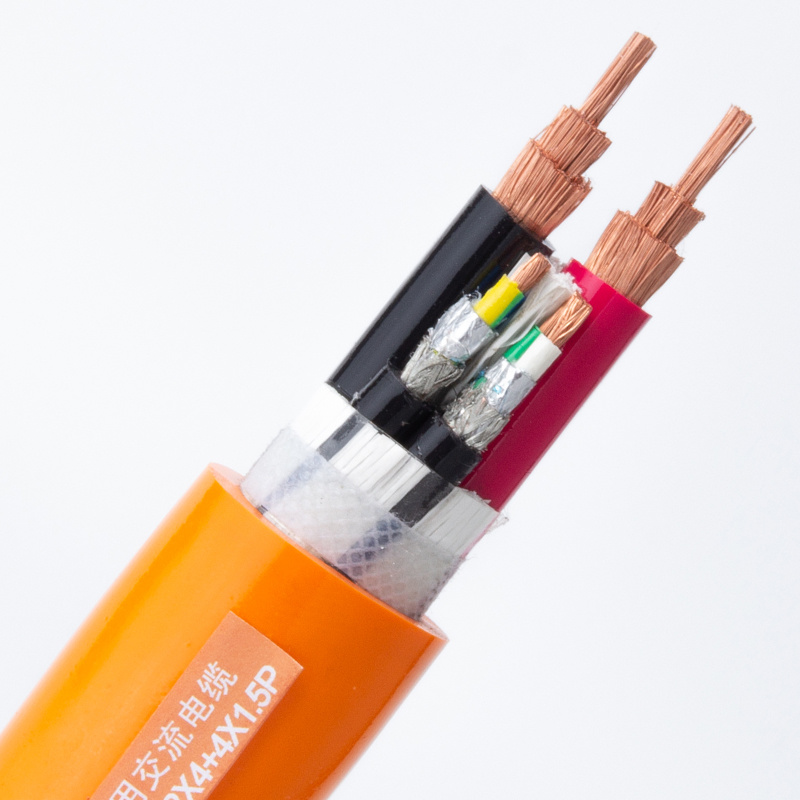
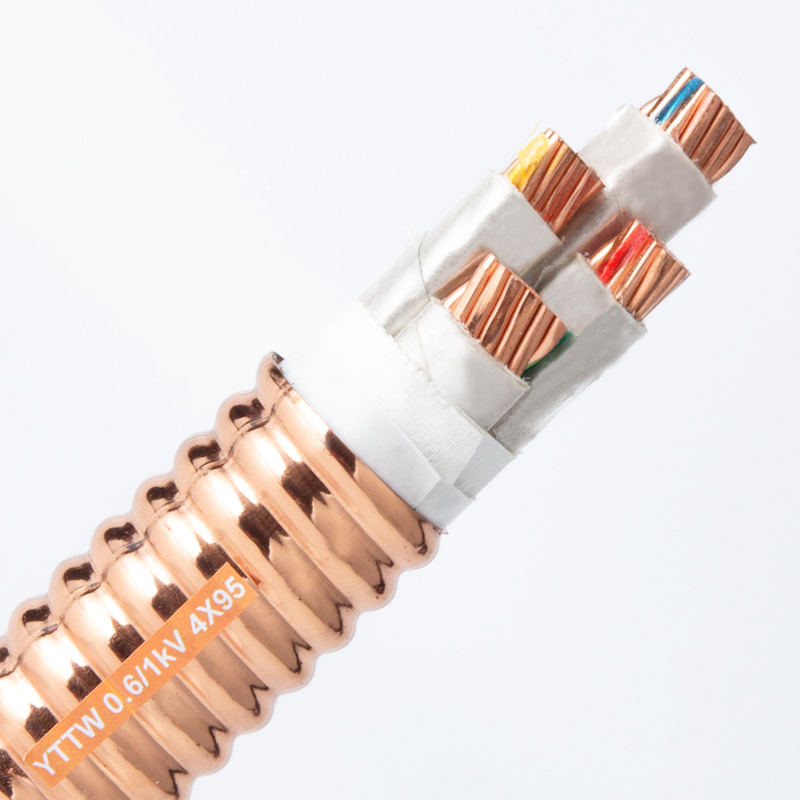
Causes and consequences of heating of solar cables
Causes and consequences of heating of solar cables
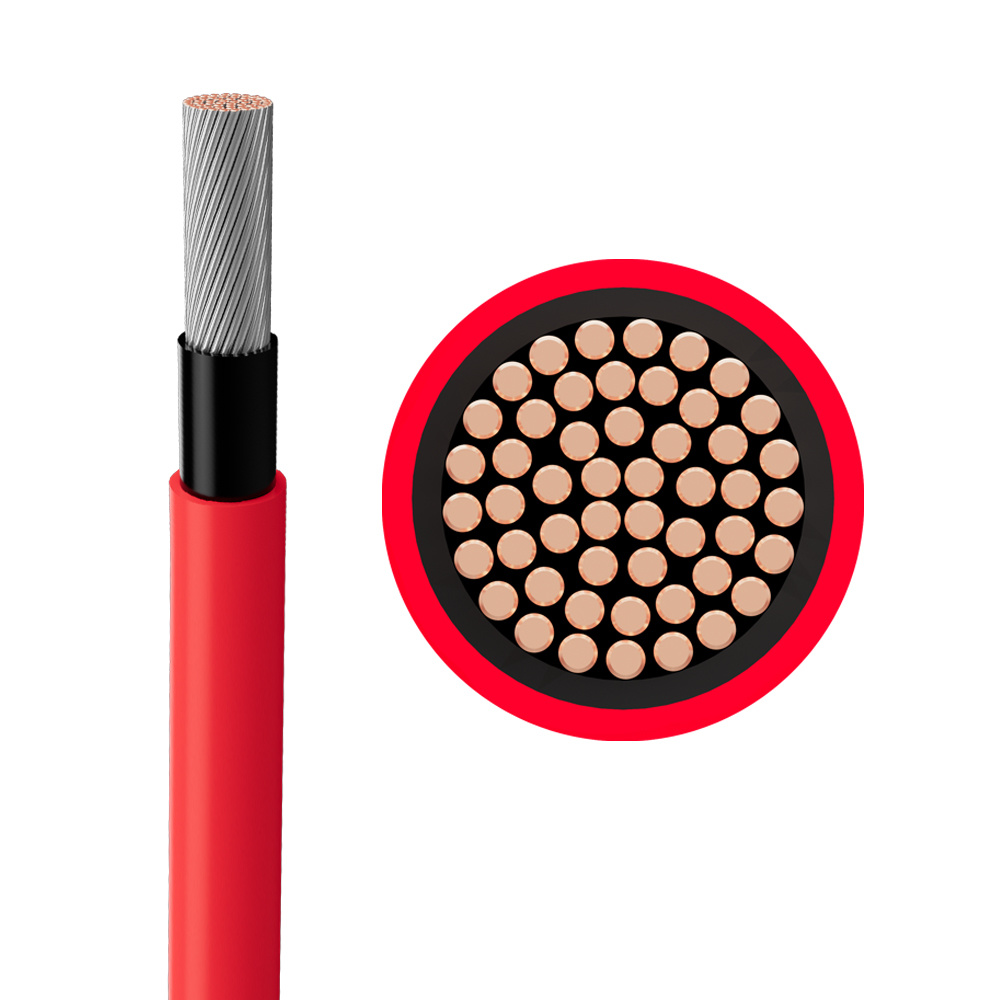
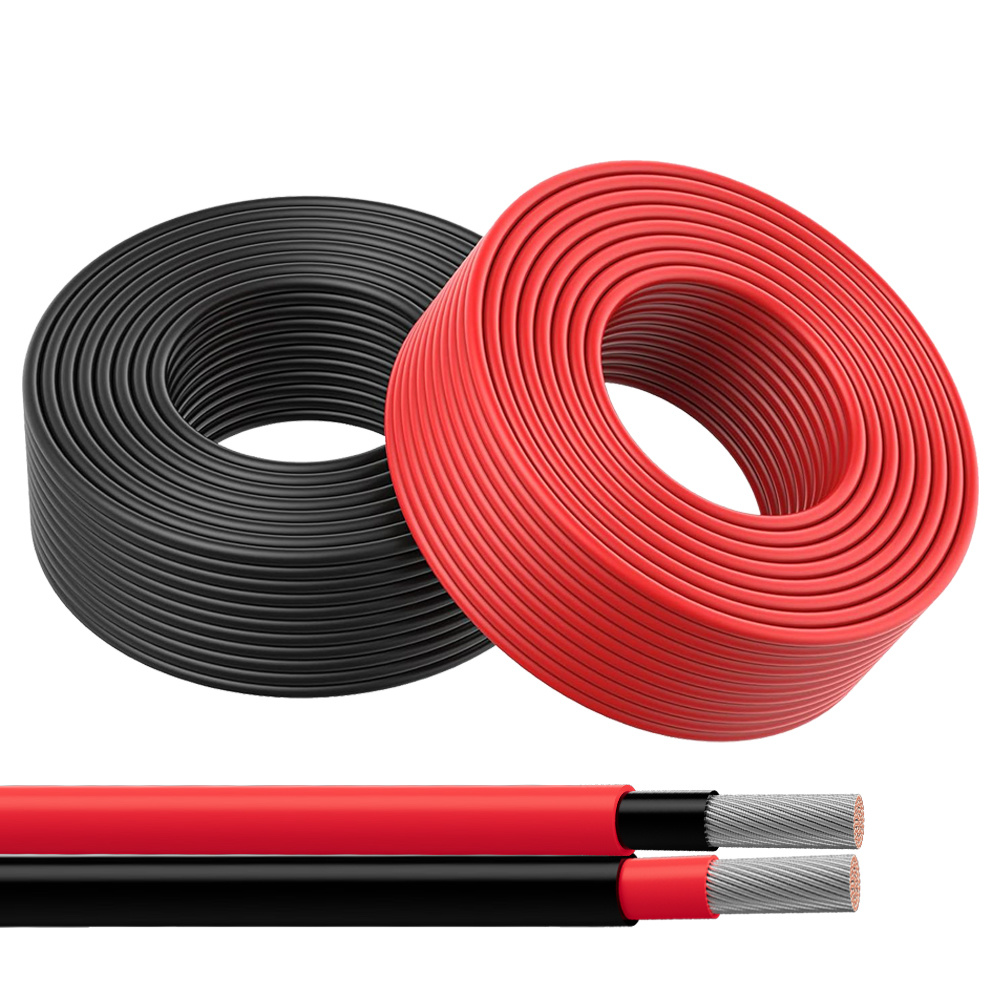
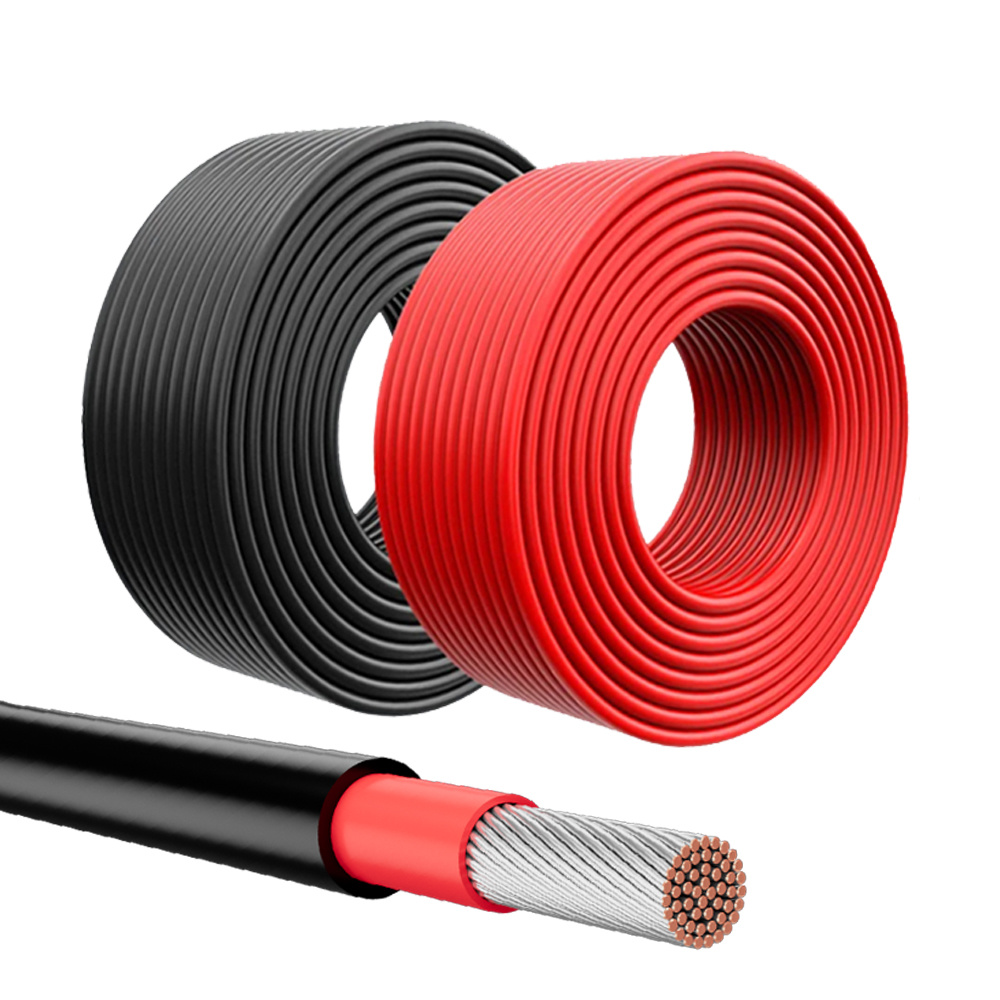
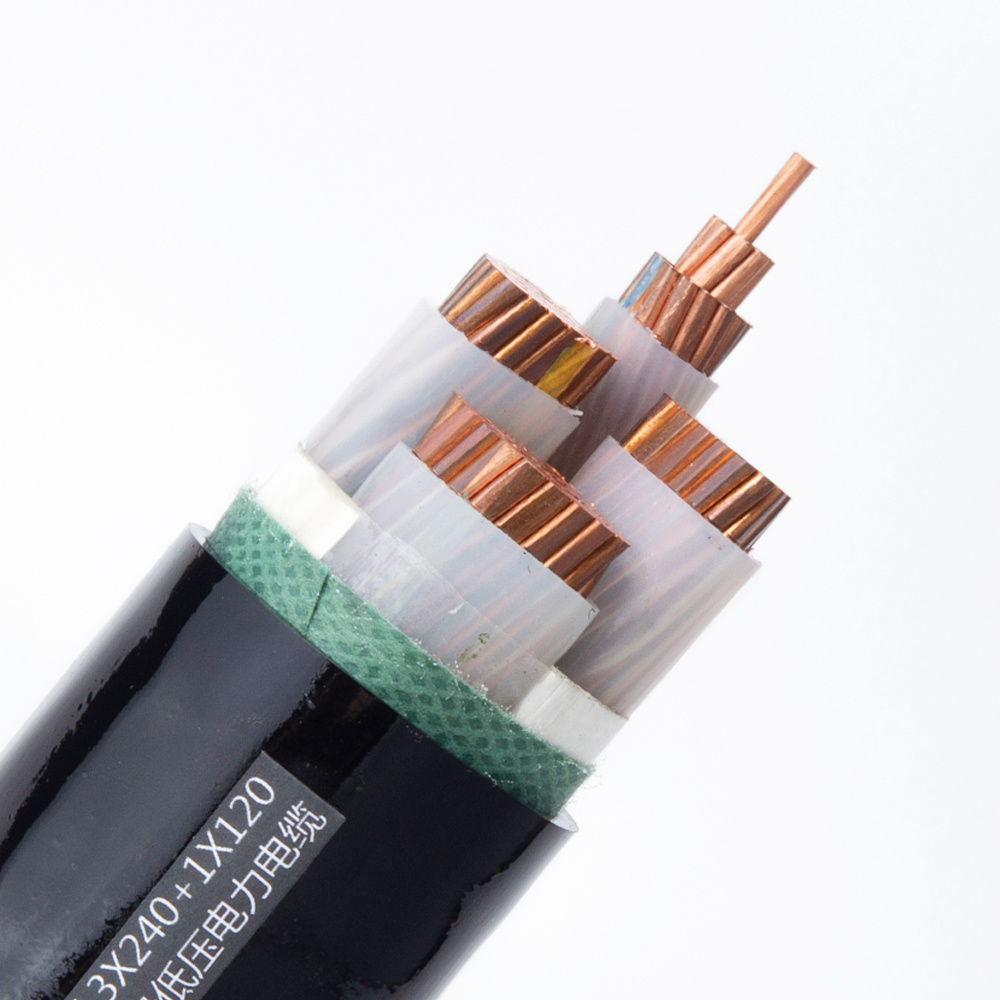
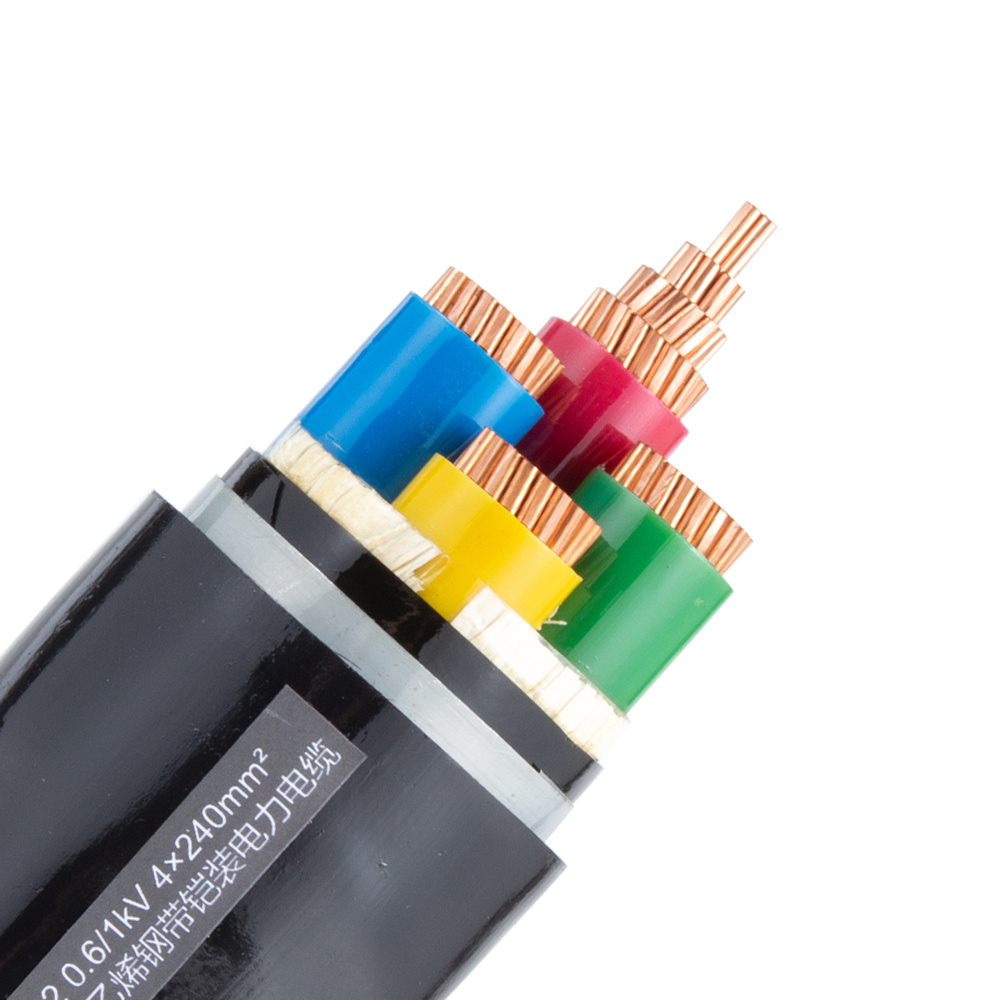
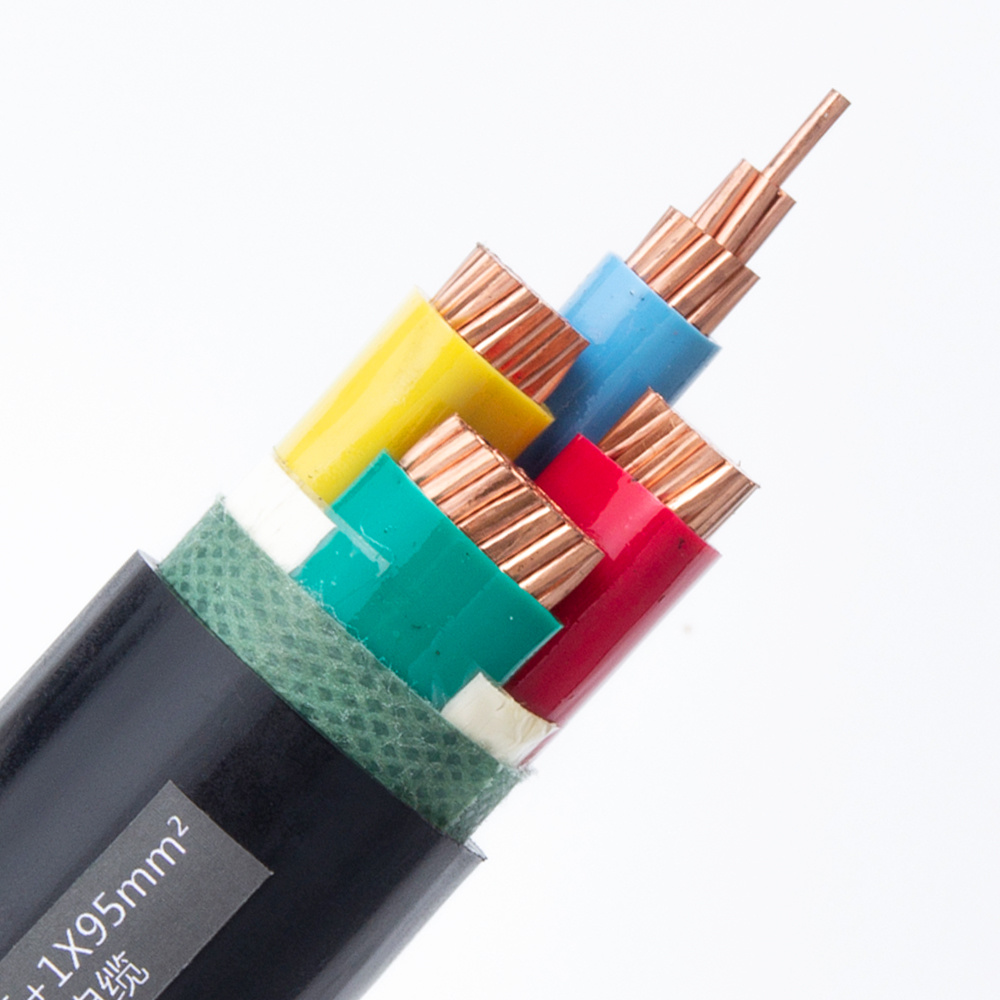
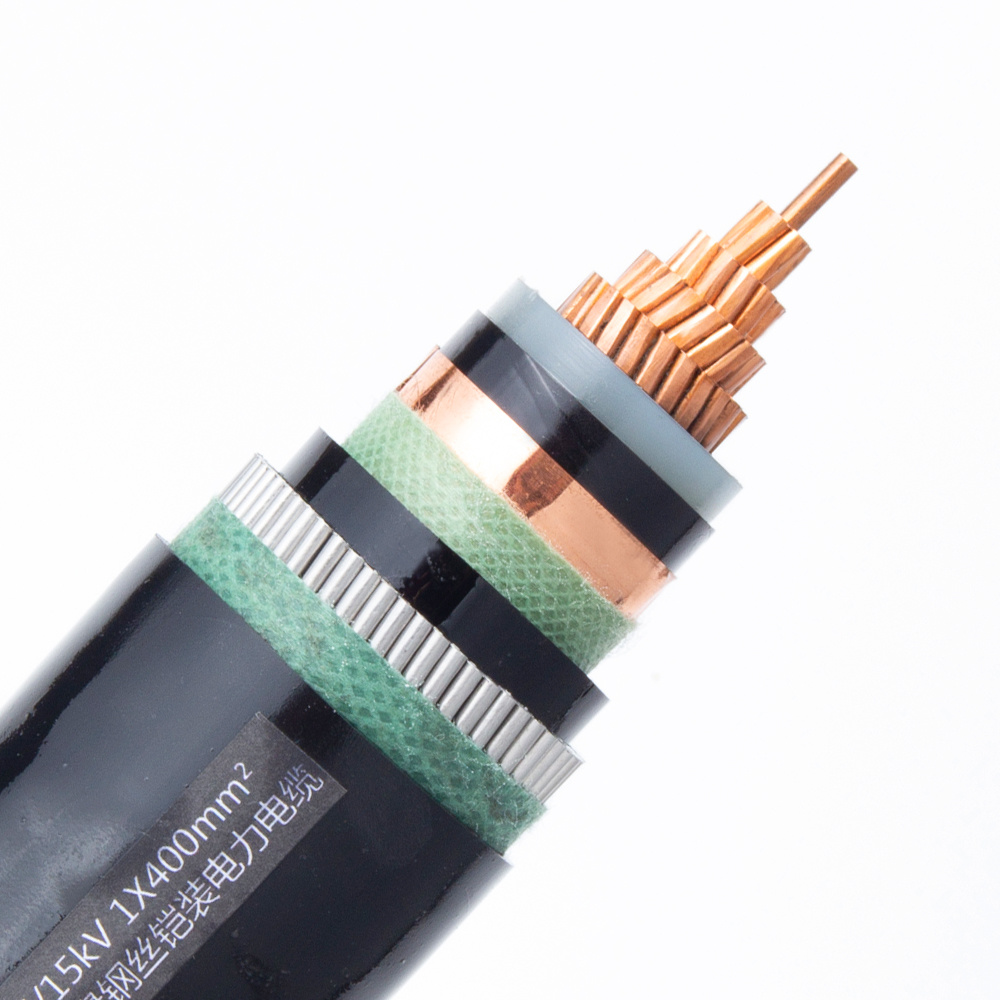
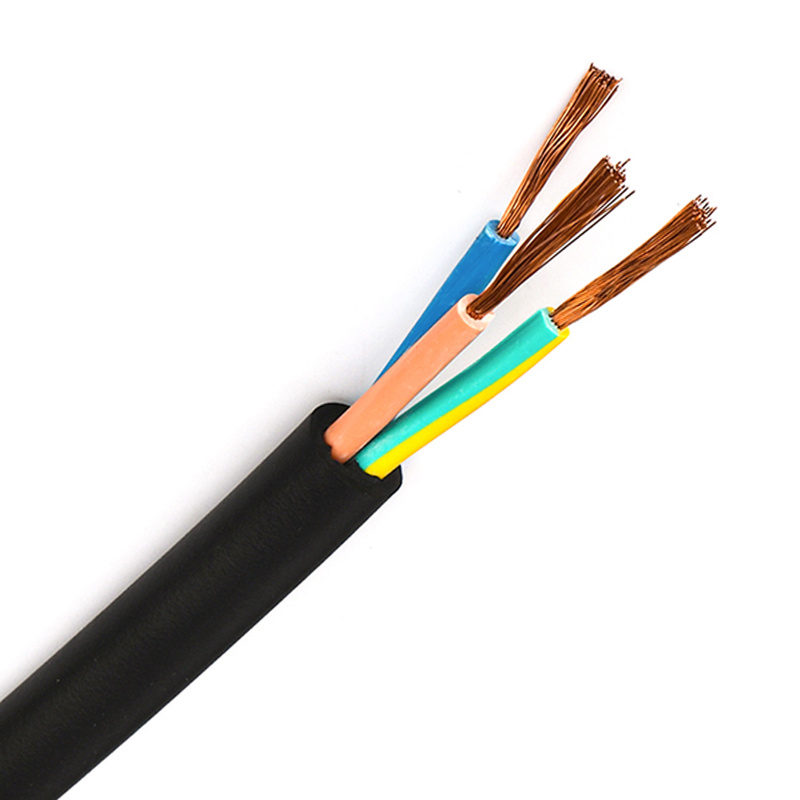
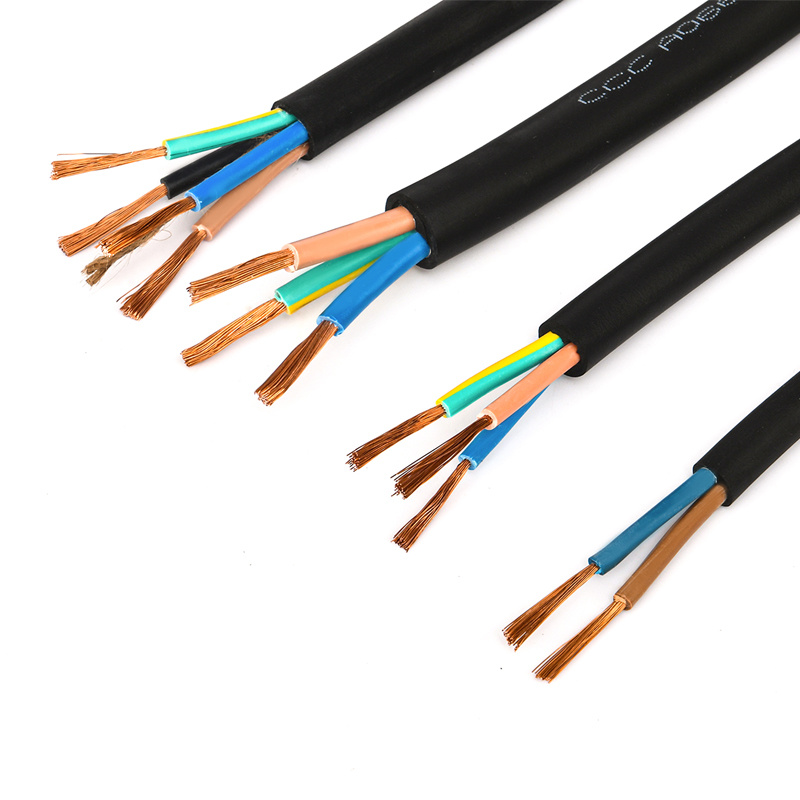
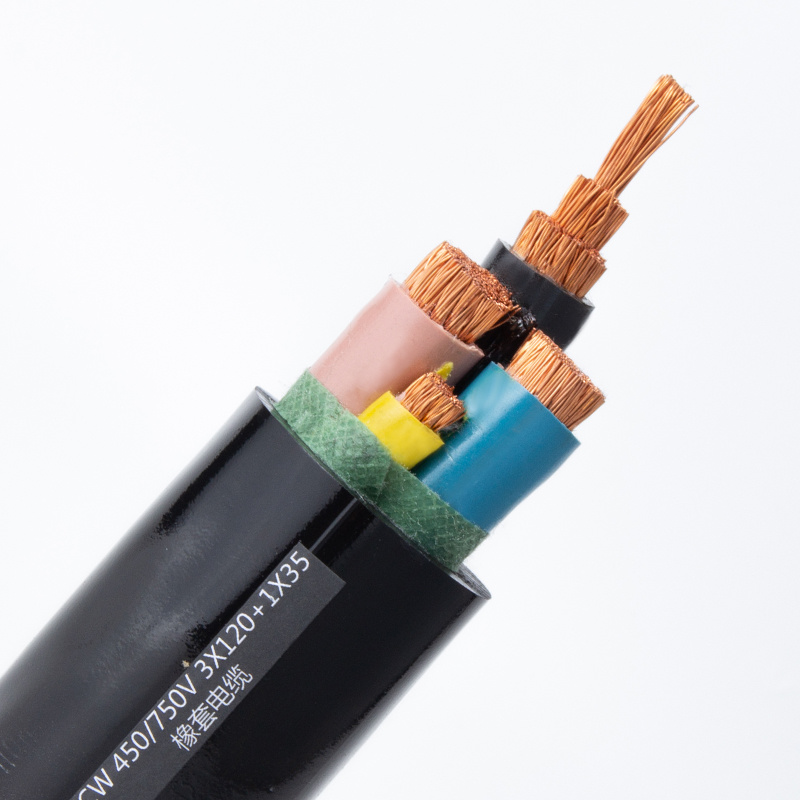
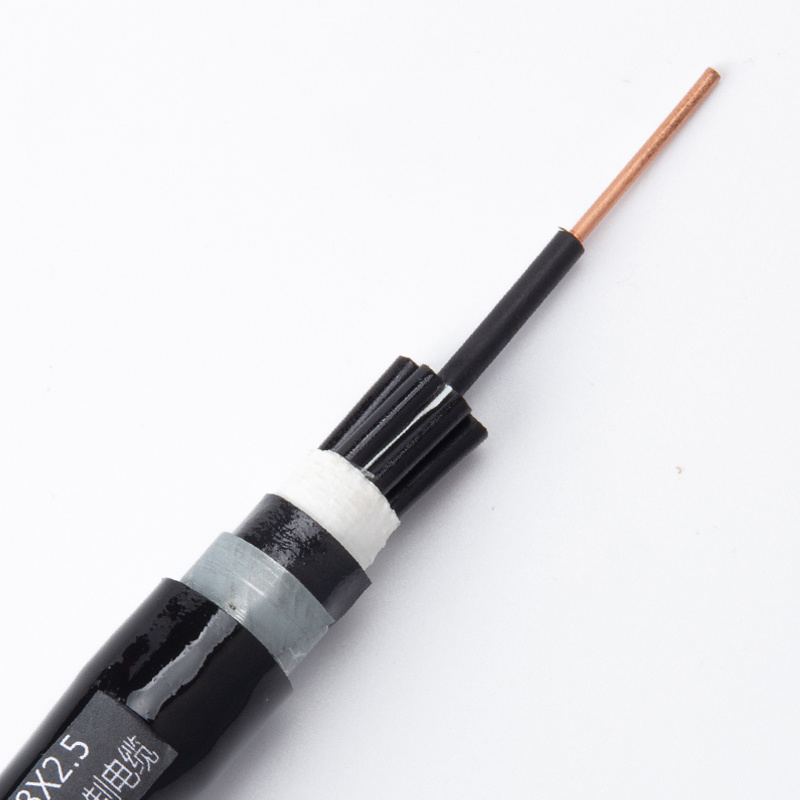
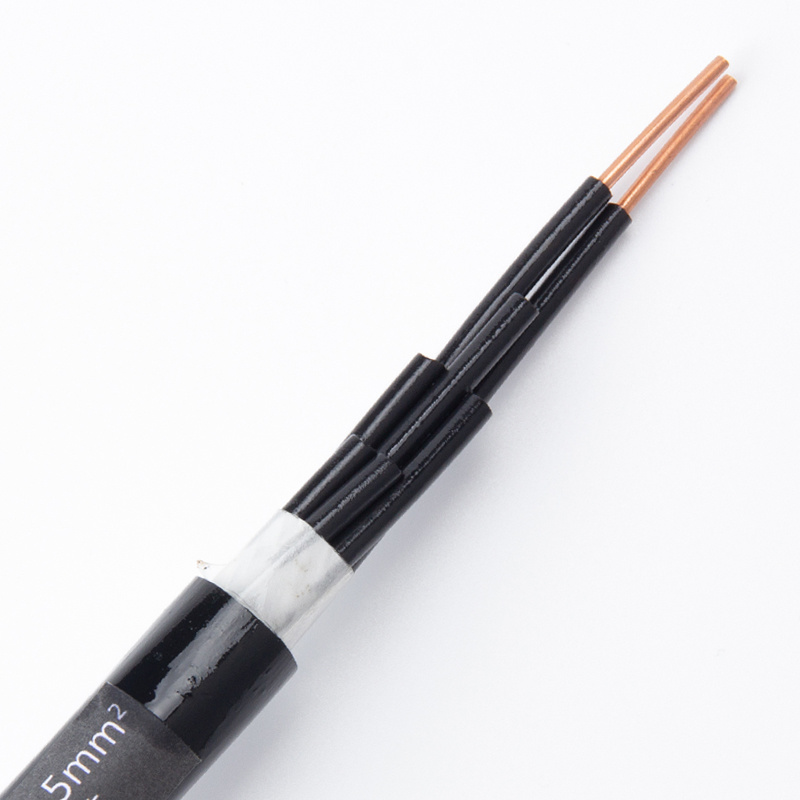
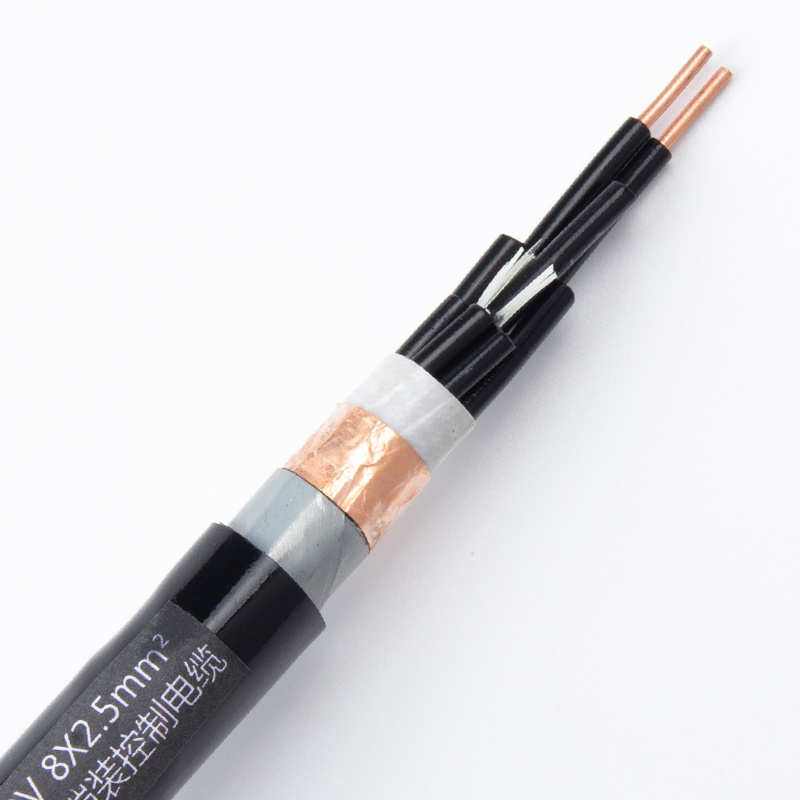
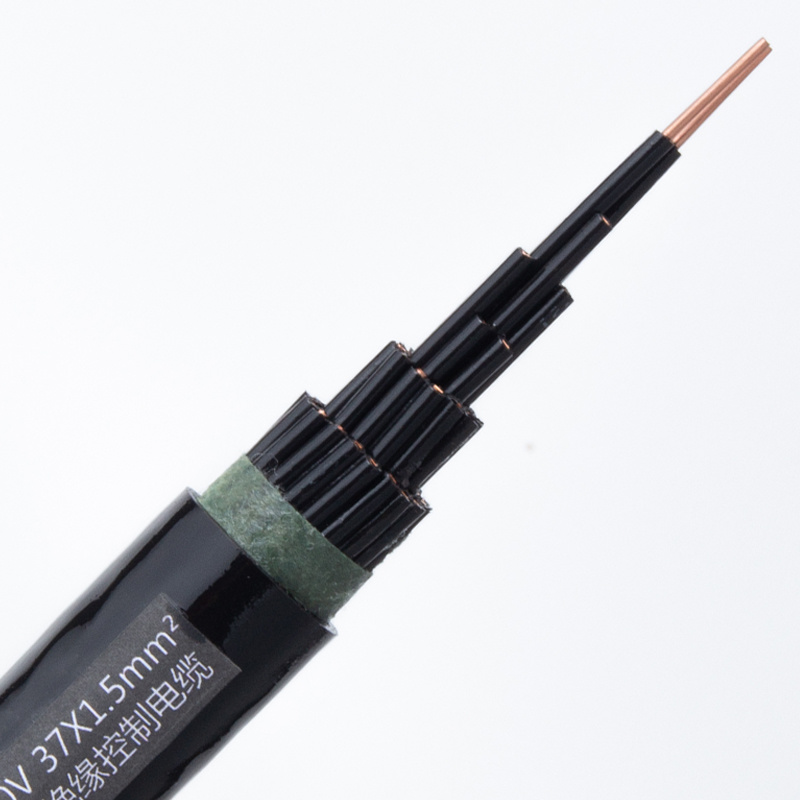
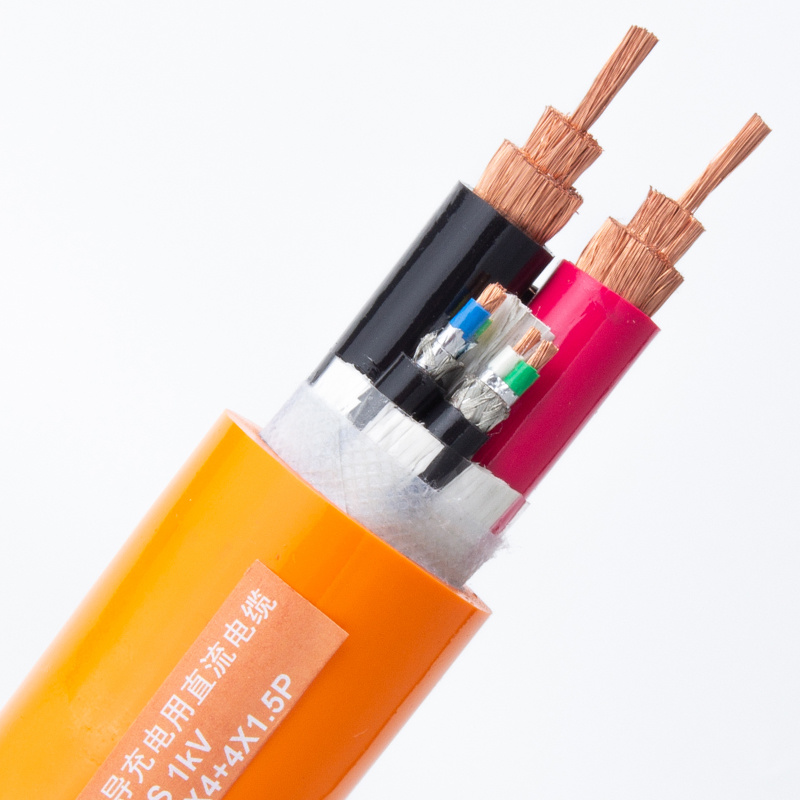
The main reasons for the heating of solar cables include the cable conductor resistance not meeting the standard requirements, improper cable selection resulting in too small conductor cross-section, improper cable installation position resulting in dense arrangement, poor joint quality resulting in excessive contact resistance, poor cable phase insulation performance, and local sheath damage and water ingress resulting in reduced insulation performance.
. Cable conductor resistance not meeting standard requirements: If the resistance of the cable conductor does not meet national or industry standards, the cable will generate heat during normal operation.
. Improper cable selection resulting in too small conductor cross-section: If the cable model or specification used is inappropriate, especially if the conductor cross-section is too small, the cable will be overloaded during operation. After long-term use, the heating and heat dissipation of the cable will be unbalanced, resulting in heating.
. Improper cable installation position resulting in dense arrangement: If the cable is installed too densely, it will affect the ventilation and heat dissipation effect, or the cable is close to other heat sources, which will affect the normal heat dissipation of the cable and cause heating.
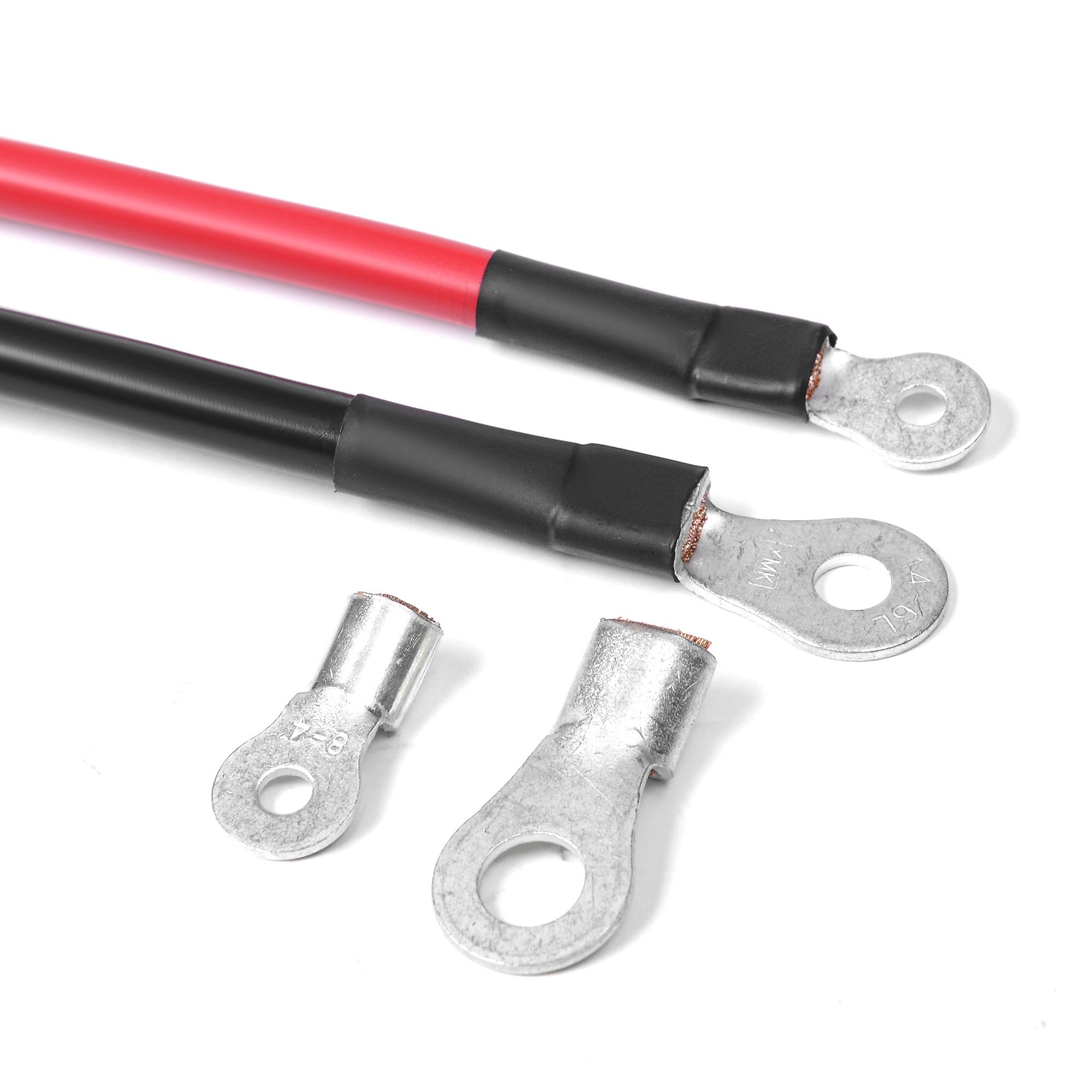
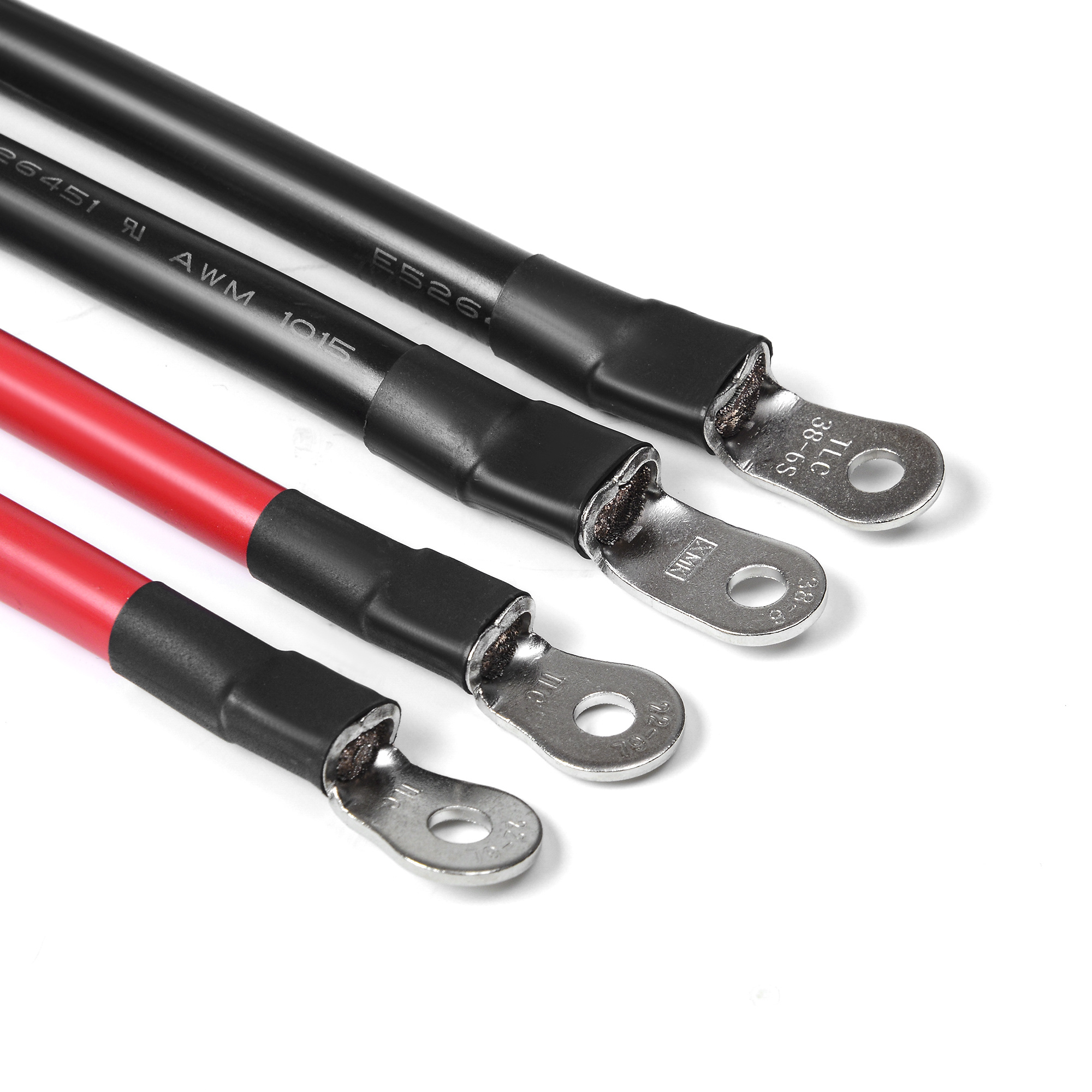
. Poor joint quality resulting in excessive contact resistance: If the joint manufacturing technology is not good and the crimping is not tight, the contact resistance at the joint will be too large, which will also cause the cable to generate heat.
.Poor insulation performance between cable phases: If the insulation performance between cables is poor, the insulation resistance is small and cannot meet the design requirements, and heat will be generated during operation.
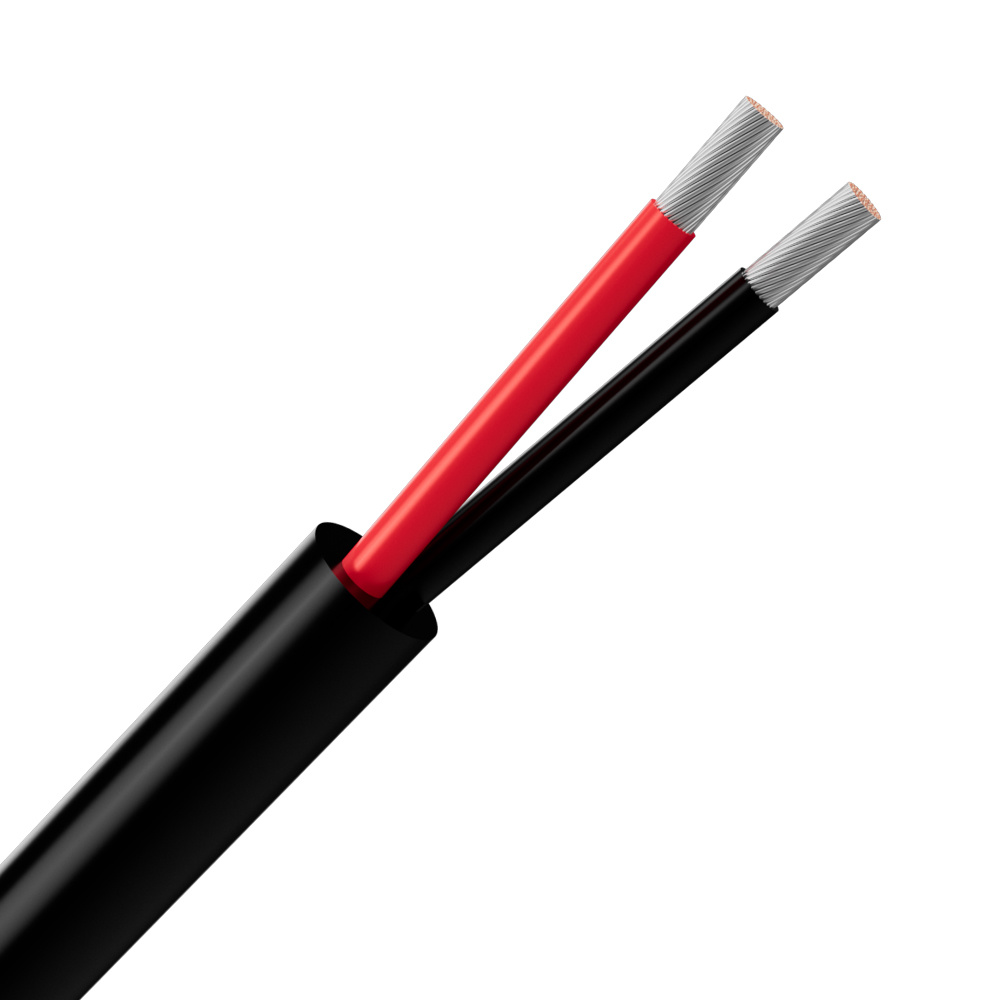
.Local sheath damage and water ingress lead to reduced insulation performance: After the local sheath of the armored cable is damaged, water ingress will slowly damage the insulation performance, the insulation resistance will gradually decrease, and it will also cause heating during cable operation.
These factors will affect the normal operation and heat dissipation of the cable. If the cause is not found and the fault is not eliminated in time, it may lead to more serious consequences, such as insulation breakdown, phase-to-phase short circuit tripping, and even fire.
Other News

Jun 13,2024
Why choose aluminum alloy photovoltaic cables?
Aluminum alloy cables have lower resistance compared to copper cables, which can reduce energy loss and improve overall system efficiency.
View Detail
May 23,2024
The best way to find UL certified solar cable
When purchasing UL certified solar cable, it is recommended that you choose reputable and experienced suppliers to ensure product quality and after-sales service are guaranteed.
View Detail
Apr 25,2024
Welcome Nigerian customers to visit photovoltaic cable factory of Vazpo
On April 19th, VAZPO had the honor to welcome customers from Nigeria and conduct an exchange event.
View Detail
Apr 20,2024
Unraveling the Potential of Solar Cable Solutions in the European Market
The renewable energy landscape in Europe is undergoing significant transformation, with solar energy becoming a key player in the region's pursuit of sustainable development and energy independence.
View Detail



We sincerely looking forward to cooperating with you !
Copyright © 2023 Foshan Vazpo New Energy Co., Ltd.
佛山市威之宝新能源有限公司
佛山市南海区桂城街道桂澜北路28号南海万达广场南1栋704A室(住所申报)
Email:vazpom@vazpocable.com
Phone:+86 18038777060