
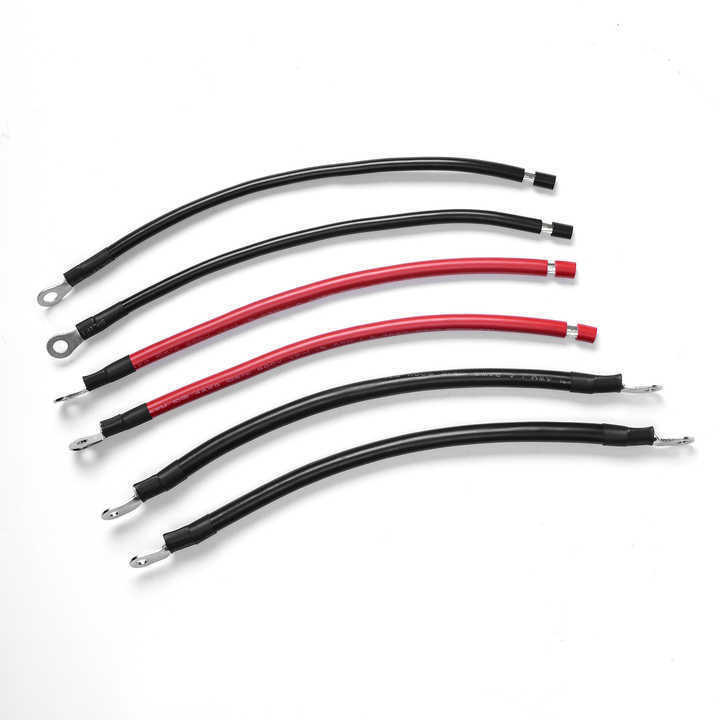
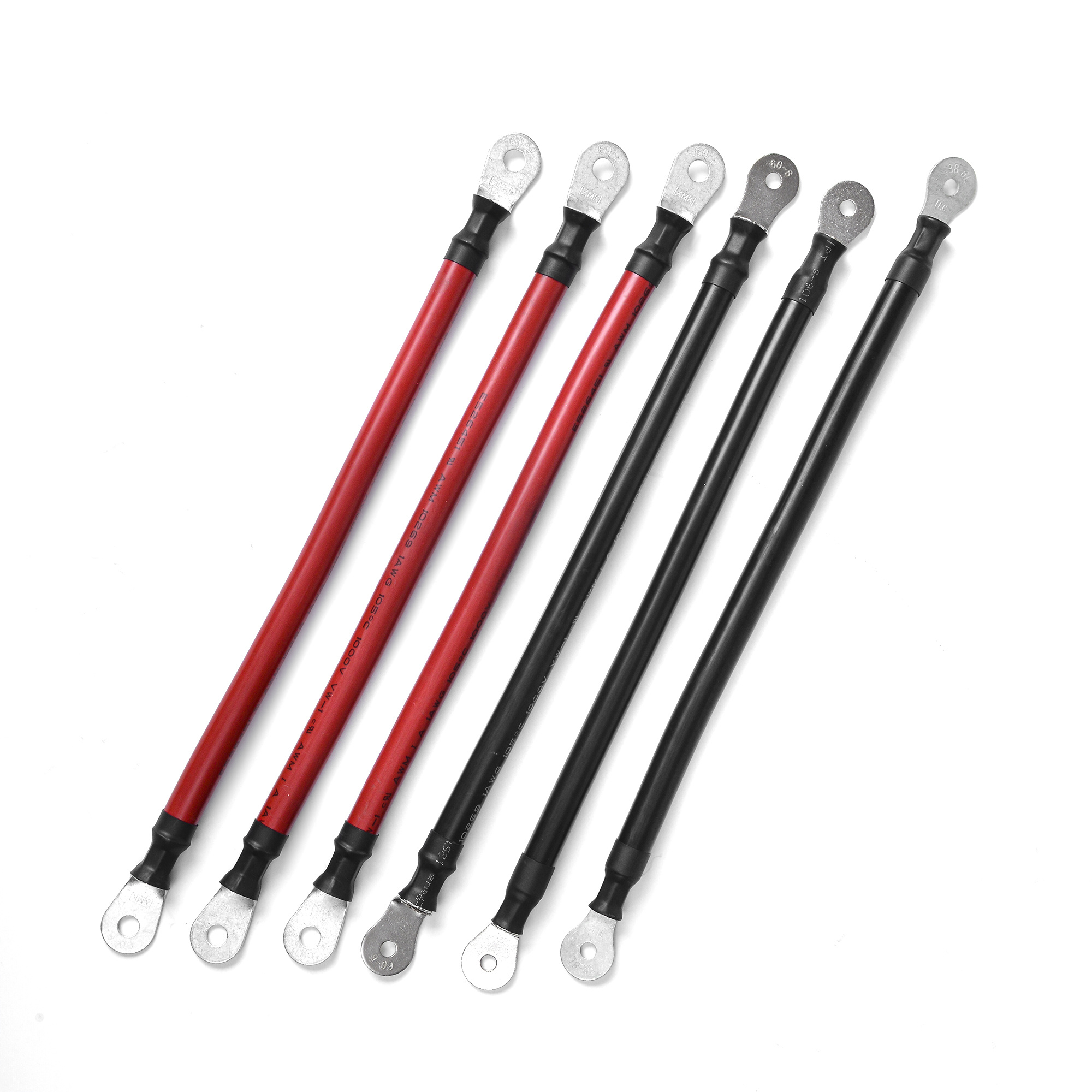
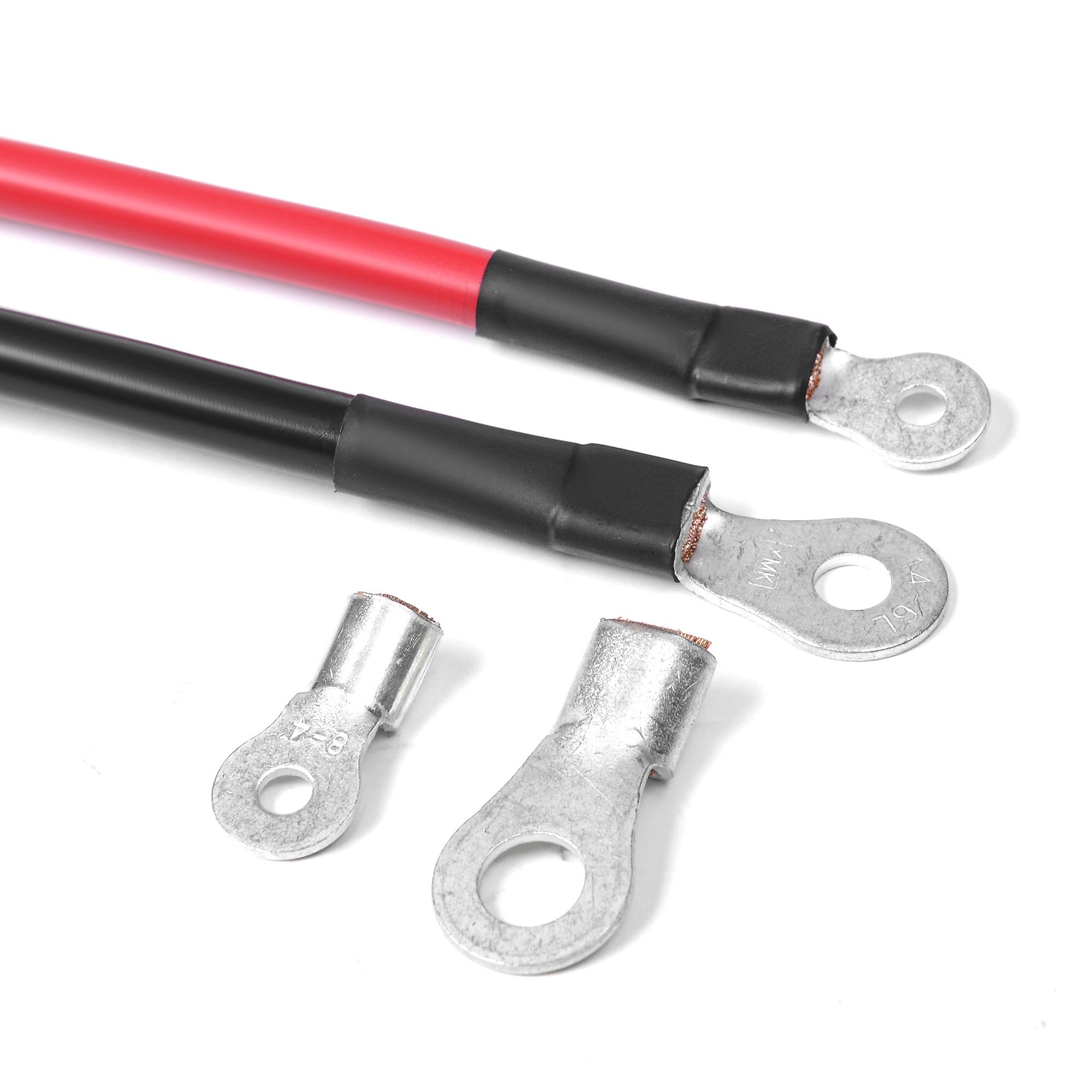
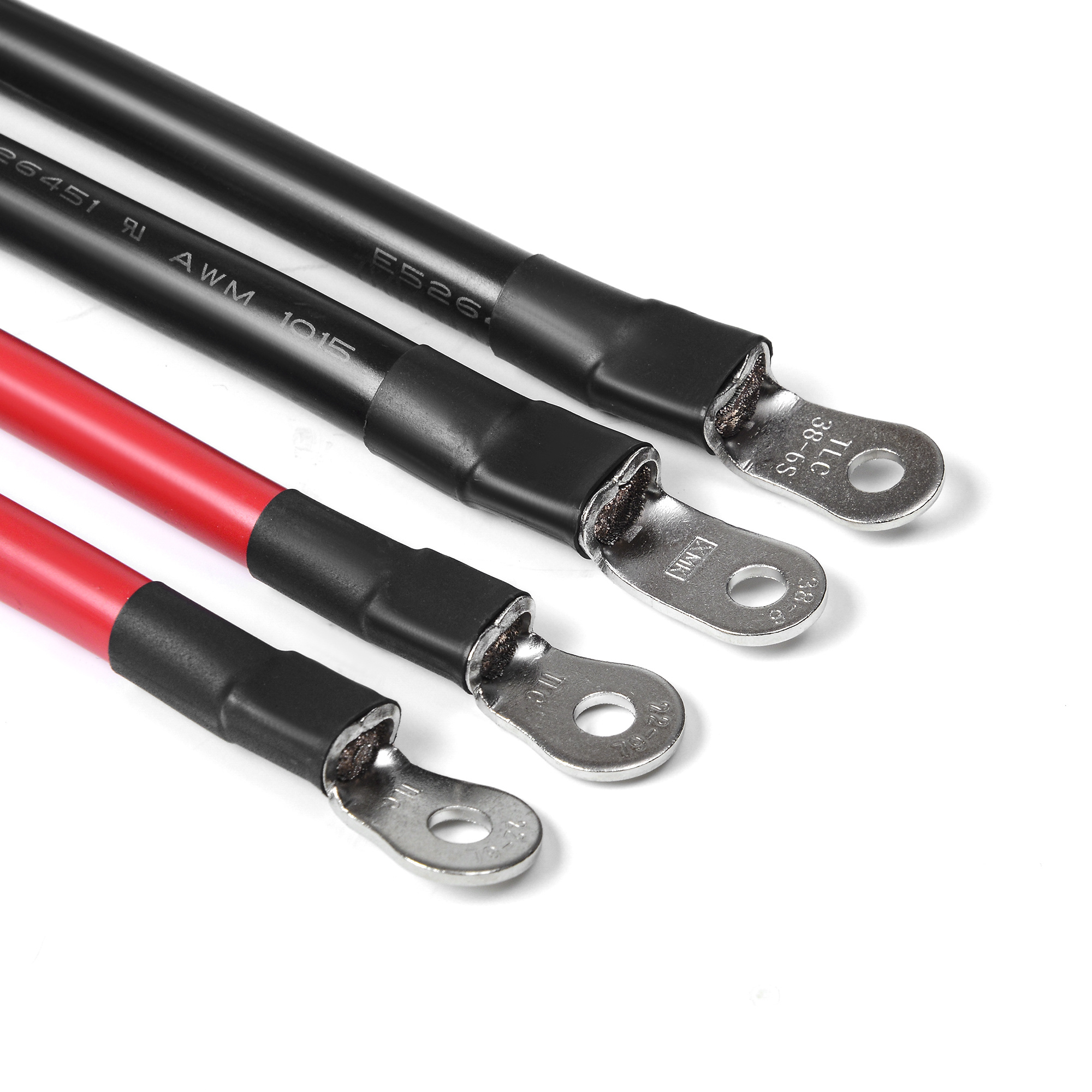
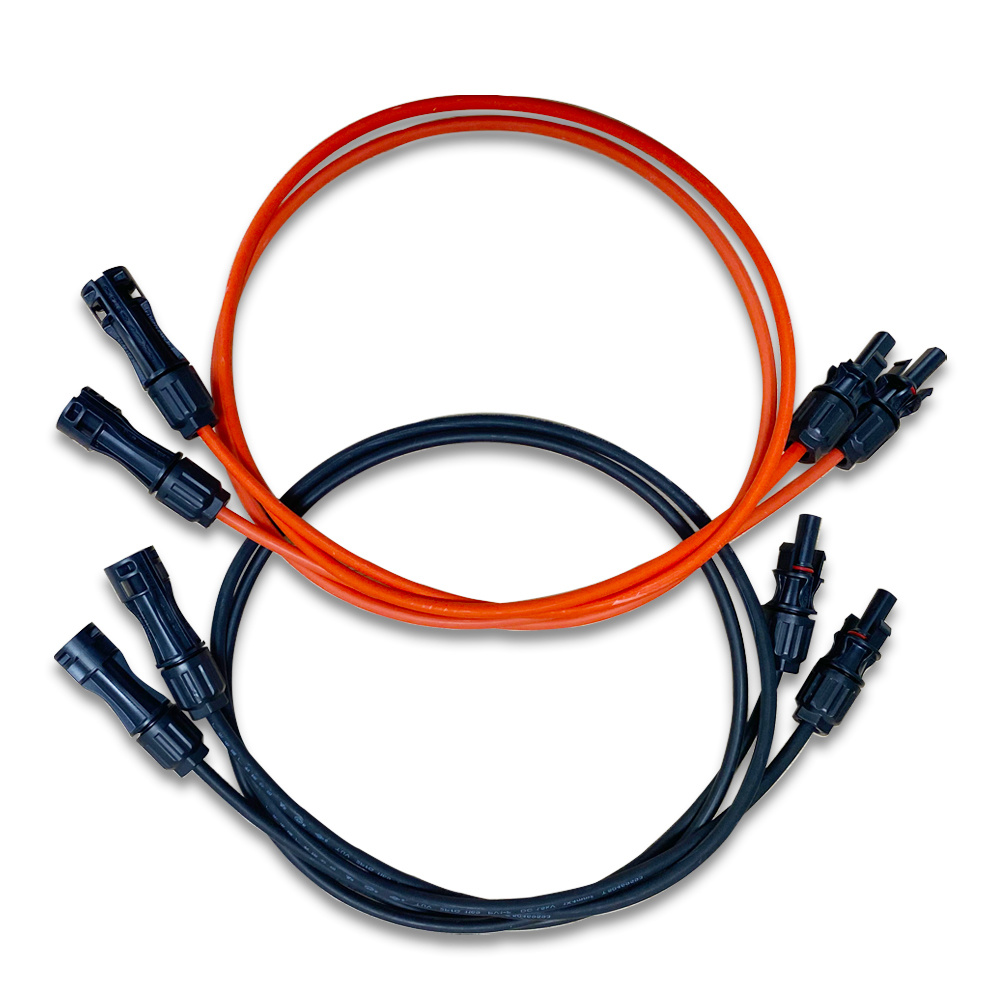
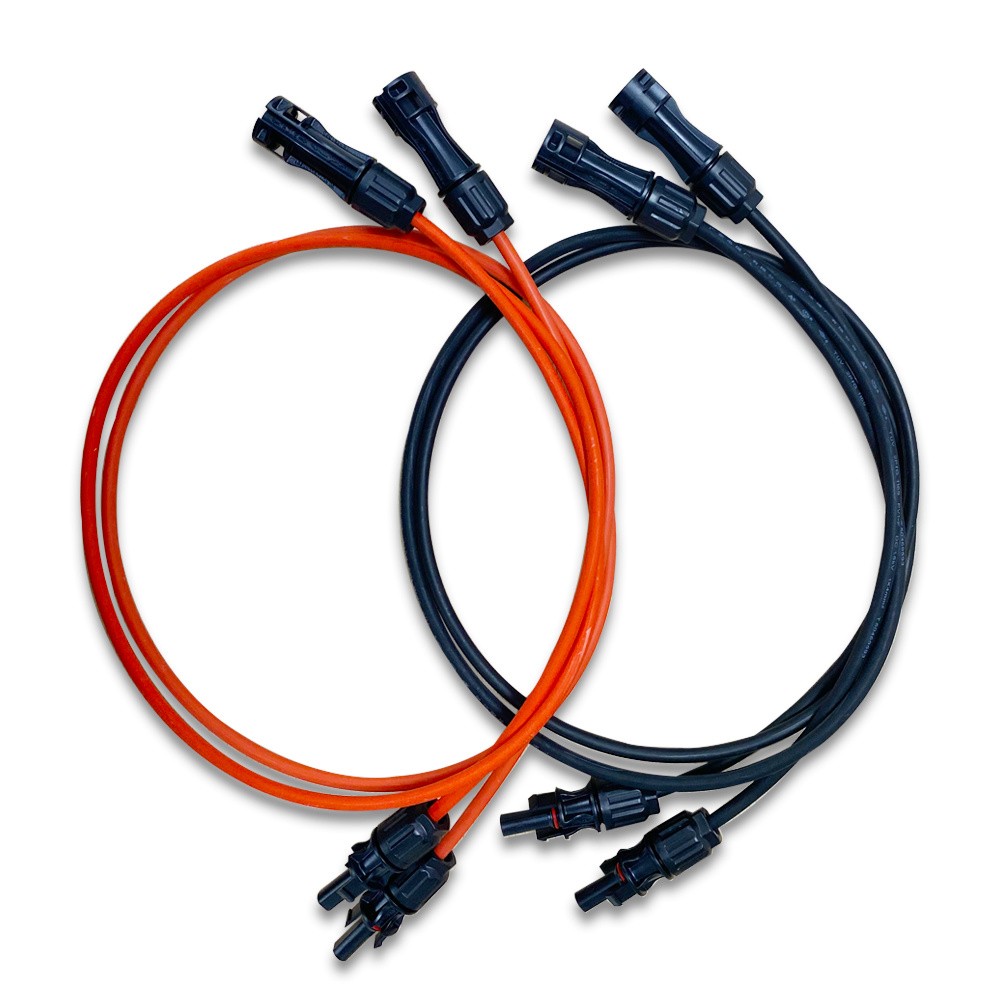
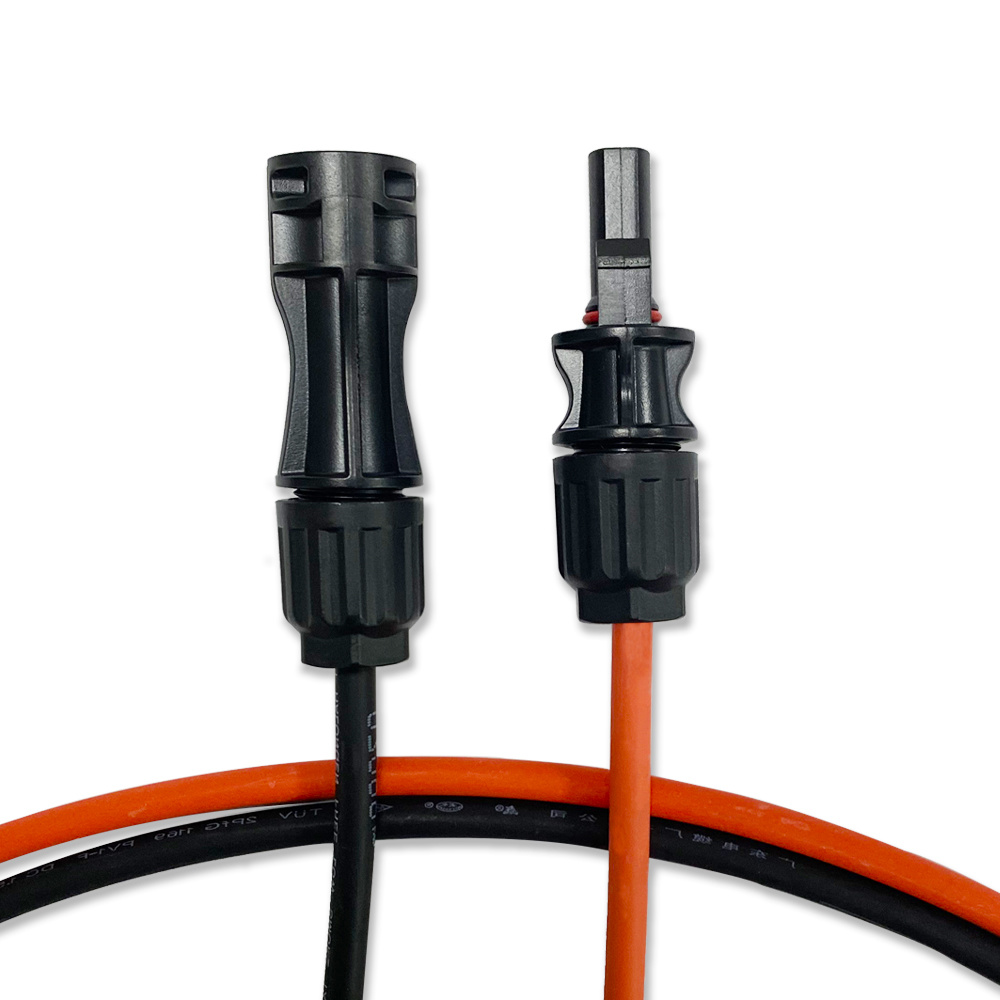
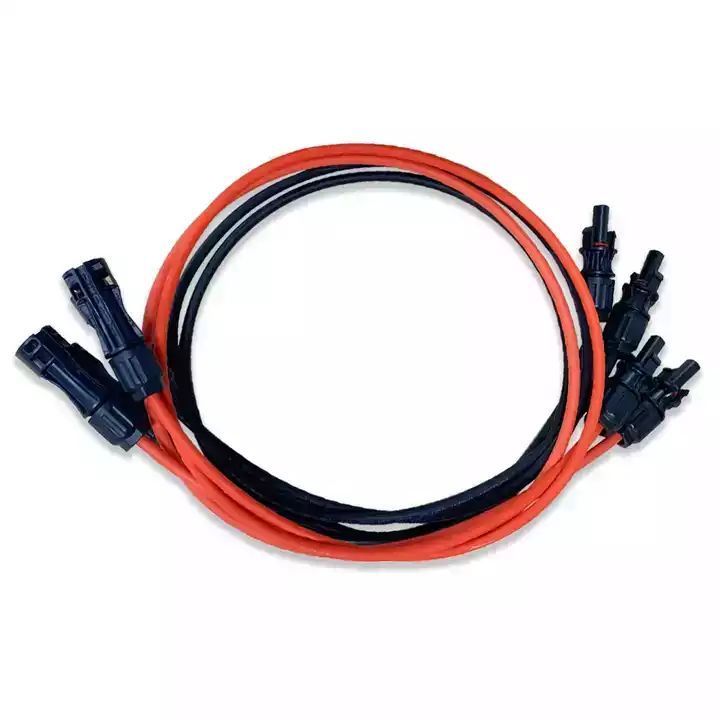
Aluminum solar cable 6mm vs. tinned copper solar cable 4mm: Which one is more suitable?
Aluminum solar cable 6mm vs. tinned copper solar cable 4mm: Which one is more suitable?
In the installation of photovoltaic systems, the choice of cables is crucial to the efficiency and long-term reliability of the system. With the continuous advancement of technology, aluminum solar cables will play an increasingly important role in the photovoltaic industry.
1. Conductivity and load capacity
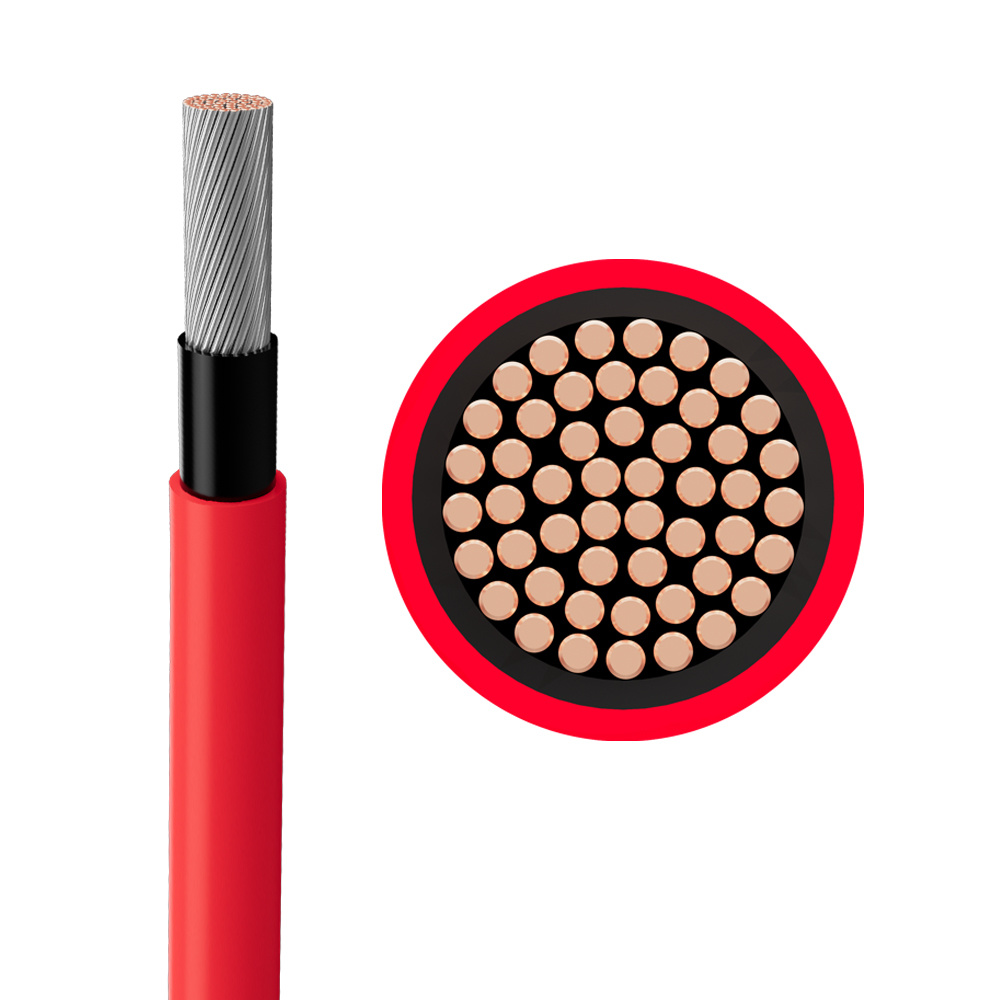
Tinned copper solar cables are favored for their excellent conductivity and stability. Copper has lower resistance and can carry higher currents, which is suitable for applications that require high efficiency. However, aluminum solar cables have also been gradually recognized in the market in recent years. Although aluminum has lower conductivity than copper, aluminum cables can provide similar load capacity with the same cross-section and are more cost-competitive.
2. Cost-effectiveness
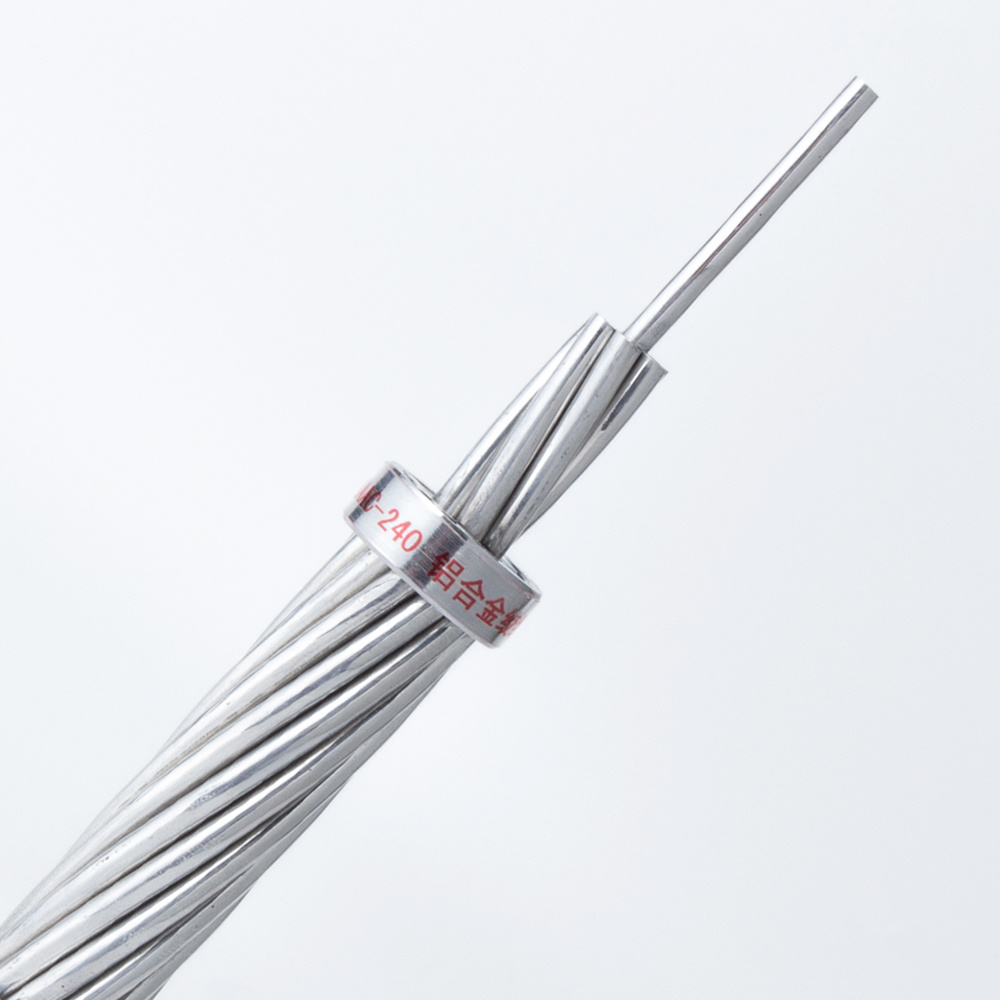
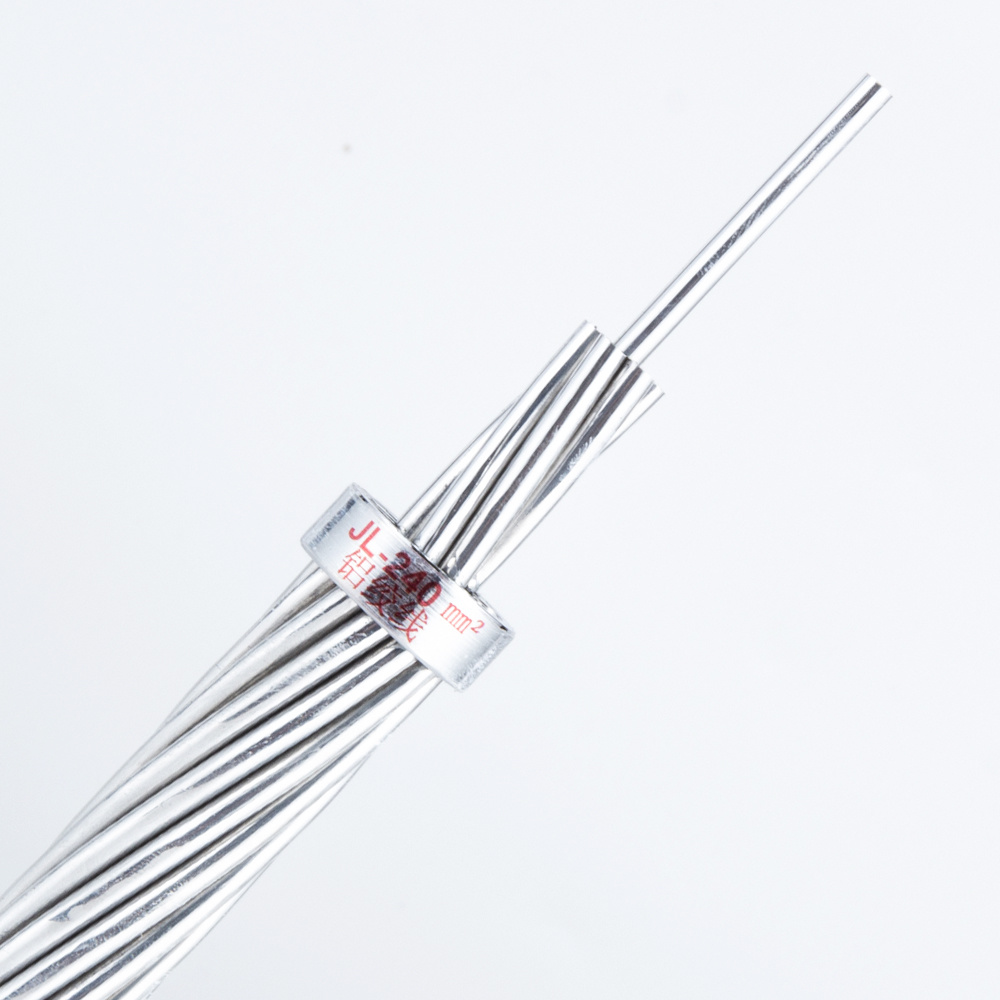
One of the main advantages of aluminum solar cables is their cost-effectiveness. Aluminum materials are relatively cheap, and 6mm millimeter aluminum core cables are more economically advantageous, especially in the case of long-distance transmission. This cable can meet similar load requirements at a lower total cost, making it an ideal choice for projects with limited budgets.
3. Physical properties and installation
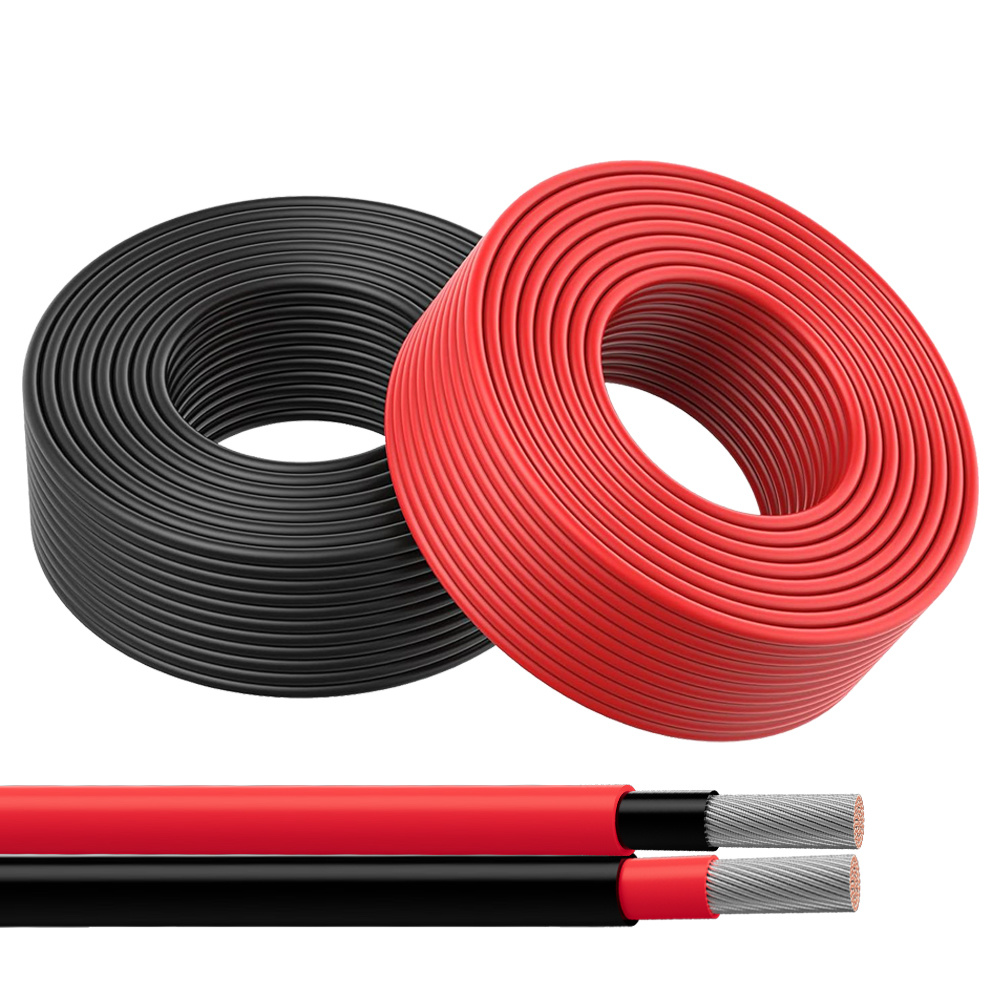
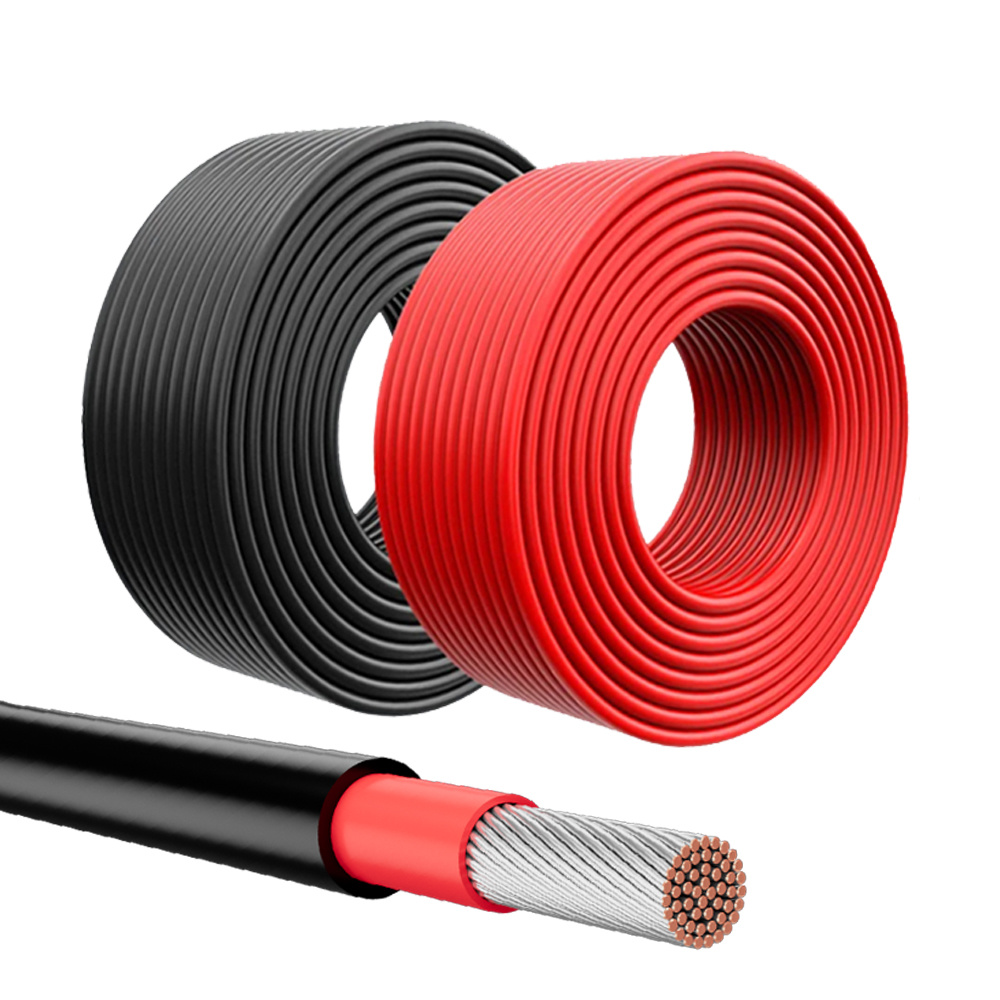
The weight of 6mm aluminum solar cable is 48.3kg, while the weight of 4mm tinned copper solar cable is 67.4kg. The lighter weight of aluminum cable makes installation and handling easier. In contrast, tinned copper cable is heavier and may require additional support and handling during installation. The flexibility and lower weight of aluminum core cable can reduce labor costs and time, and improve construction efficiency.
4. Long-term stability
Although aluminum cable performs well in many aspects, it should be noted that oxidation of aluminum may affect its long-term stability. To ensure long-term reliability, aluminum core cable needs proper handling and maintenance, including good joint handling and regular inspection.
Overall, aluminum solar cable 6mm is an affordable option and can effectively replace tinned copper solar cable 4mm, especially in cost-sensitive projects. Although there is a gap in conductivity, aluminum core cable can fully meet the requirements of photovoltaic systems through reasonable design and maintenance. If your project focuses on cost-effectiveness and installation convenience, aluminum core solar cable is undoubtedly an option worth considering.
Other News

Oct 25,2024
Why do solar cables need irradiation?
As an important component of photovoltaic systems, solar cables have increasingly higher performance requirements. Cross-linking irradiation can improve the performance of solar cables.
View Detail
Oct 25,2024
Essential Considerations for Photovoltaic Cable Installation
he installation of photovoltaic cables is a critical component of solar energy system setup.
View Detail
Oct 09,2024
Correct use and maintenance of solar cables in winter
In the cold winter, solar cables are an important part of the solar power generation system. How to use and maintain them correctly to ensure the stable operation of the solar power generation system has become a concern of the majority of users.
View Detail
Sep 10,2024
Innovative Solar Solutions Unveiled: Vazpo Cable Shines at Solar & Storage Live Cape Town 2024
Recently, Solar& Storage Live South Africa 2024 was grandly held in Cape Town. Vazpo Cable made its debut at the exhibition, exploring the path of new energy development with photovoltaic companies from around the world, injecting new vitality into the African photovoltaic market.
View Detail



We sincerely looking forward to cooperating with you !
Copyright © 2023 Foshan Vazpo New Energy Co., Ltd.
佛山市威之宝新能源有限公司
佛山市南海区桂城街道桂澜北路28号南海万达广场南1栋704A室(住所申报)
Email:vazpom@vazpocable.com
Phone:+86 18038777060