
Essential Considerations for Photovoltaic Cable Installation
Essential Considerations for Photovoltaic Cable Installation

The installation of photovoltaic cables is a critical component of solar energy system setup. Proper installation practices are vital to ensure the system's efficiency, safety, and longevity. What should we pay attention to during photovoltaic cable installation?
1. Cable Selection:
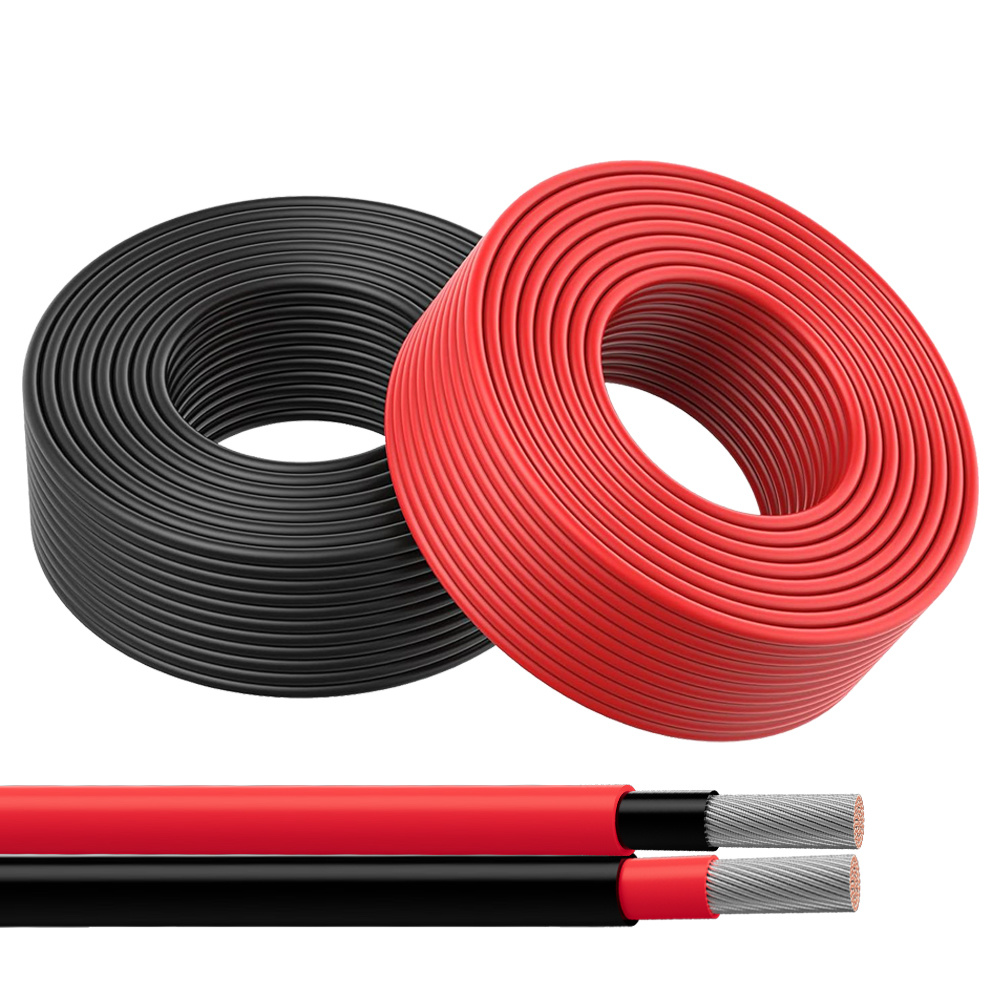
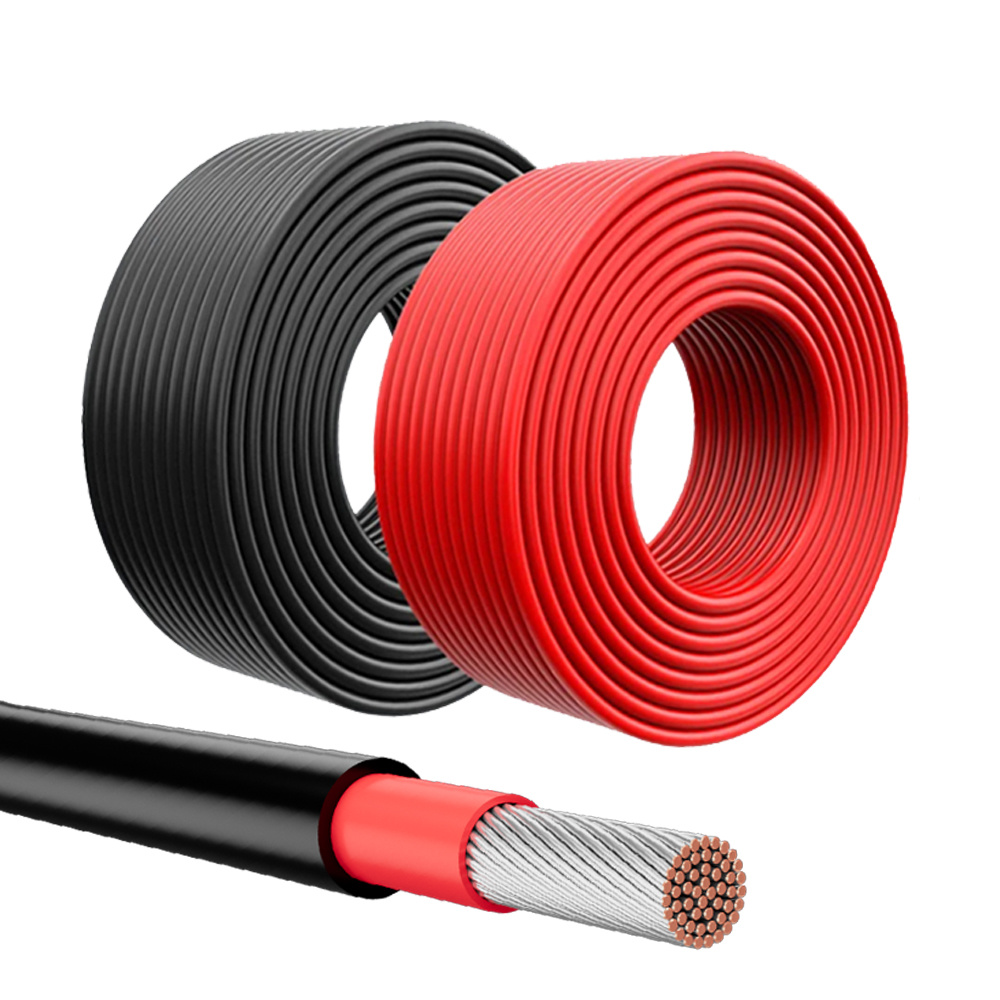
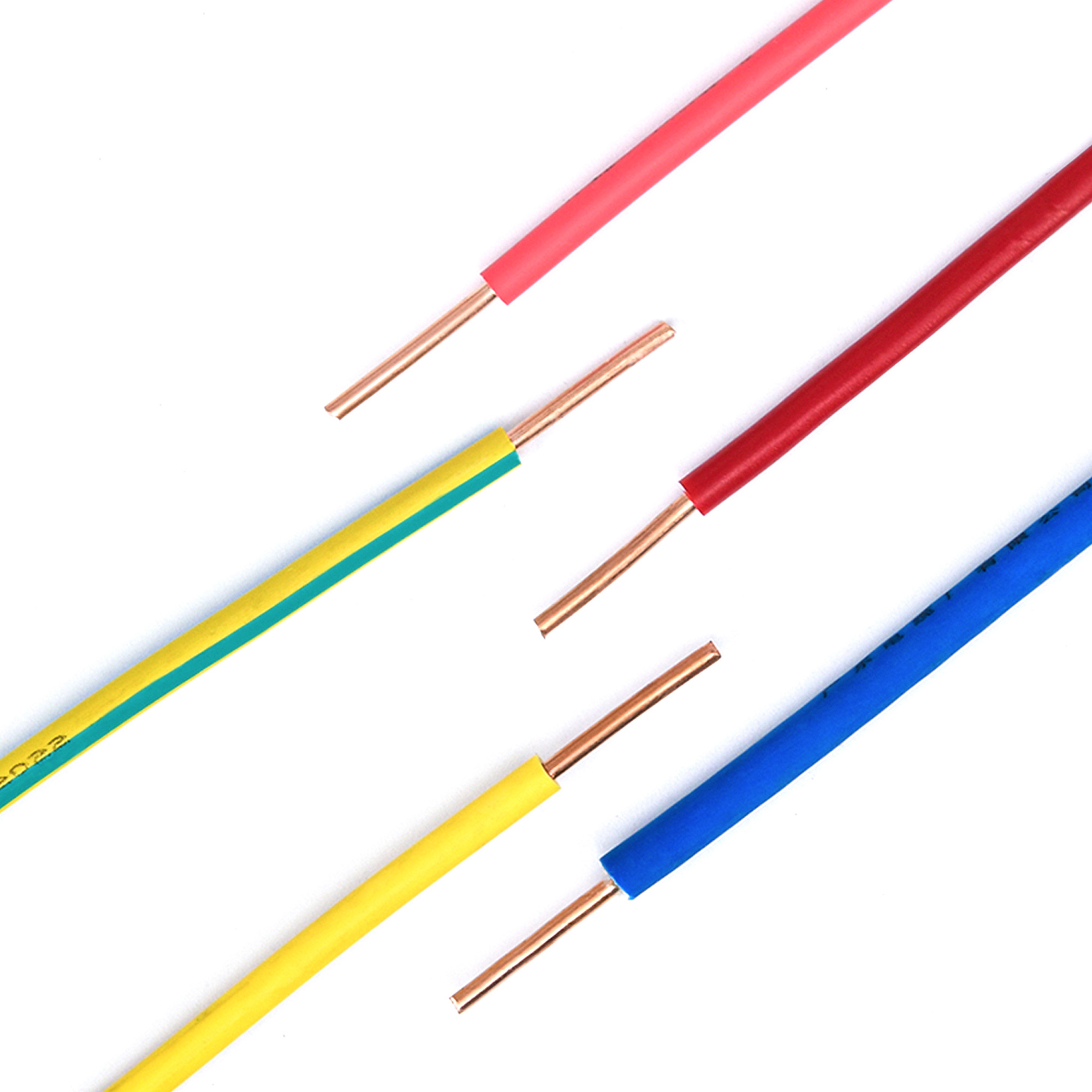
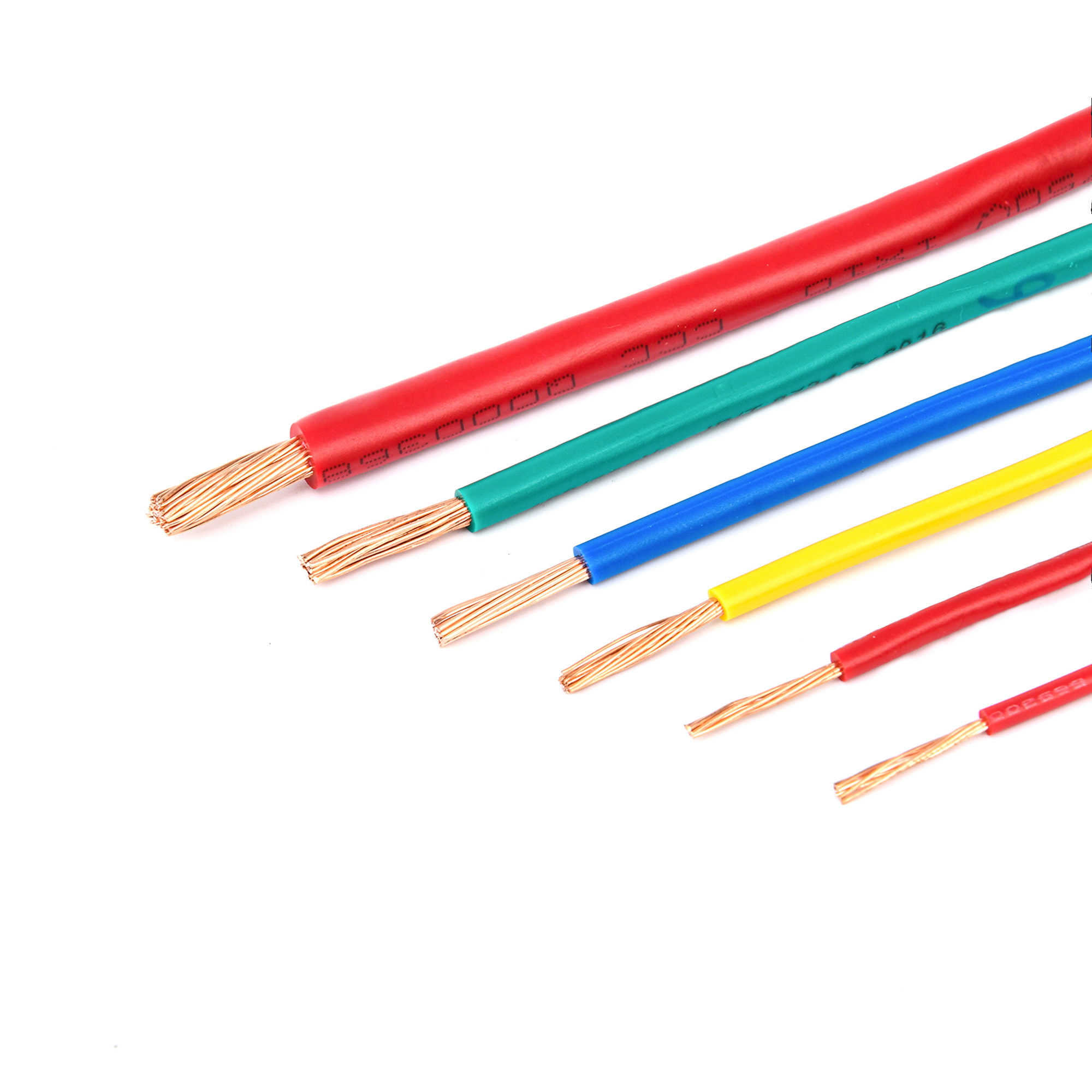
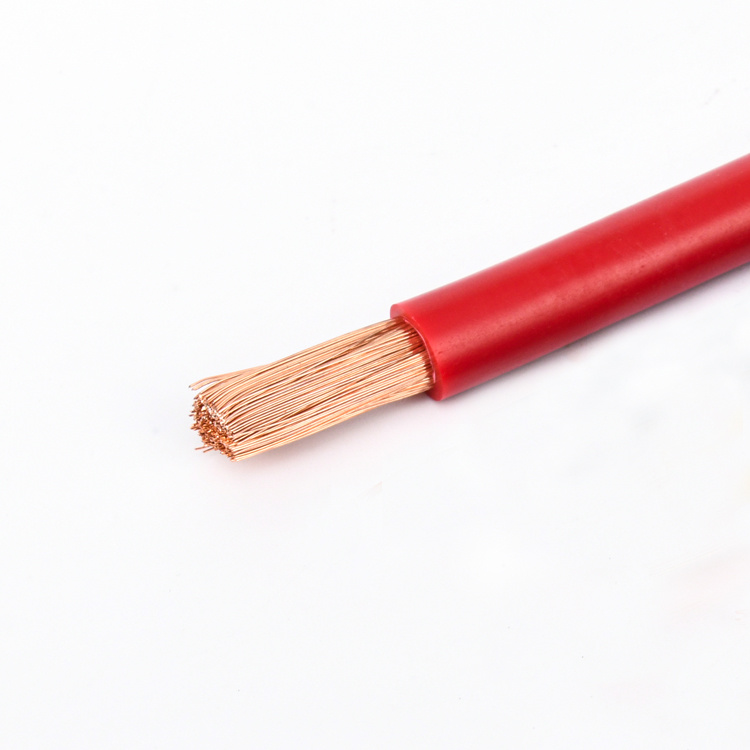
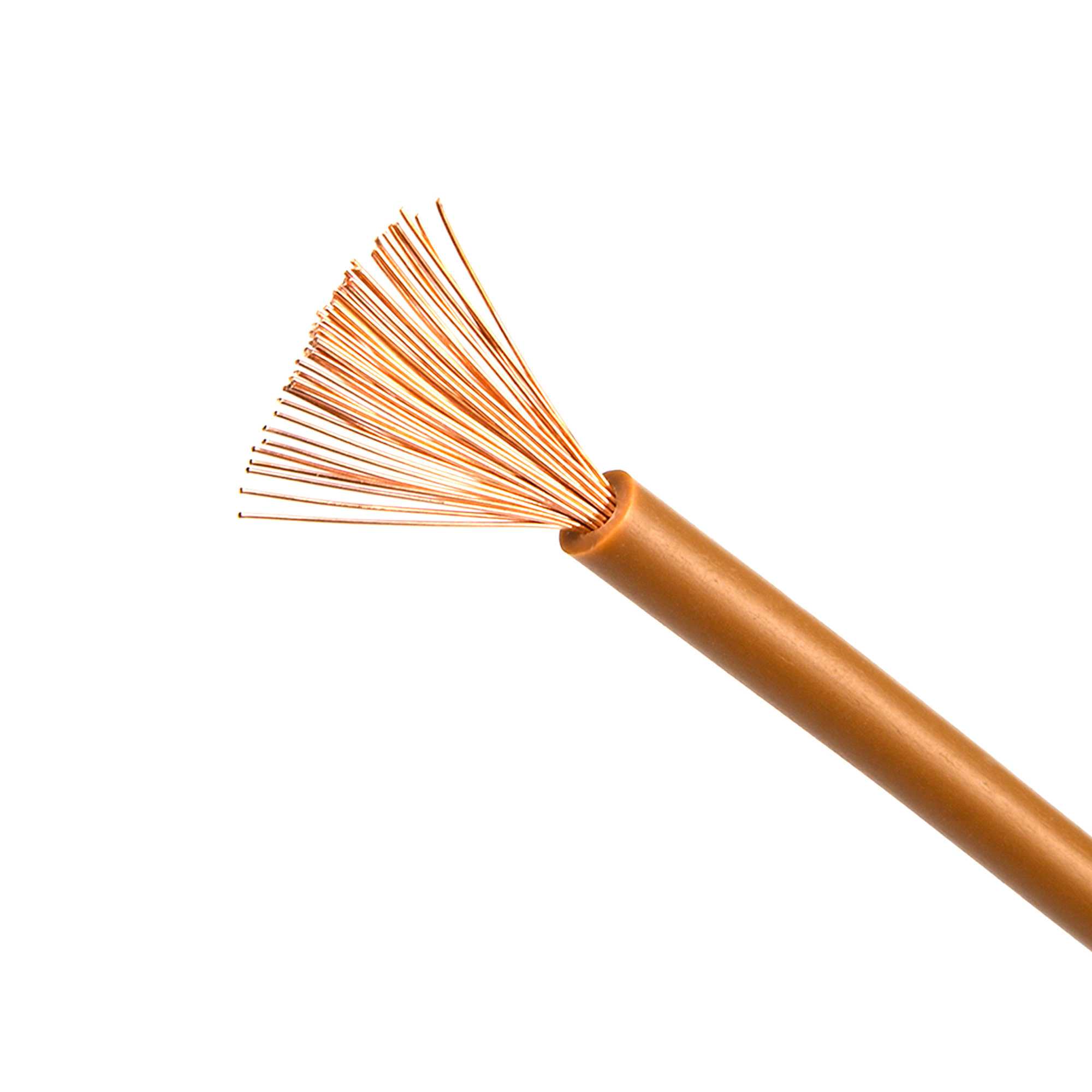
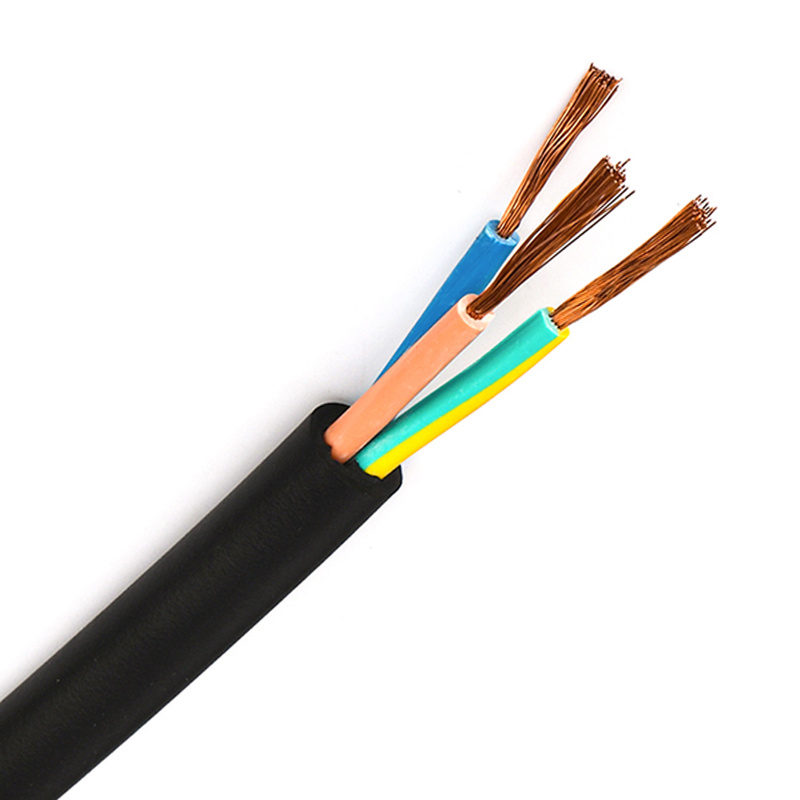
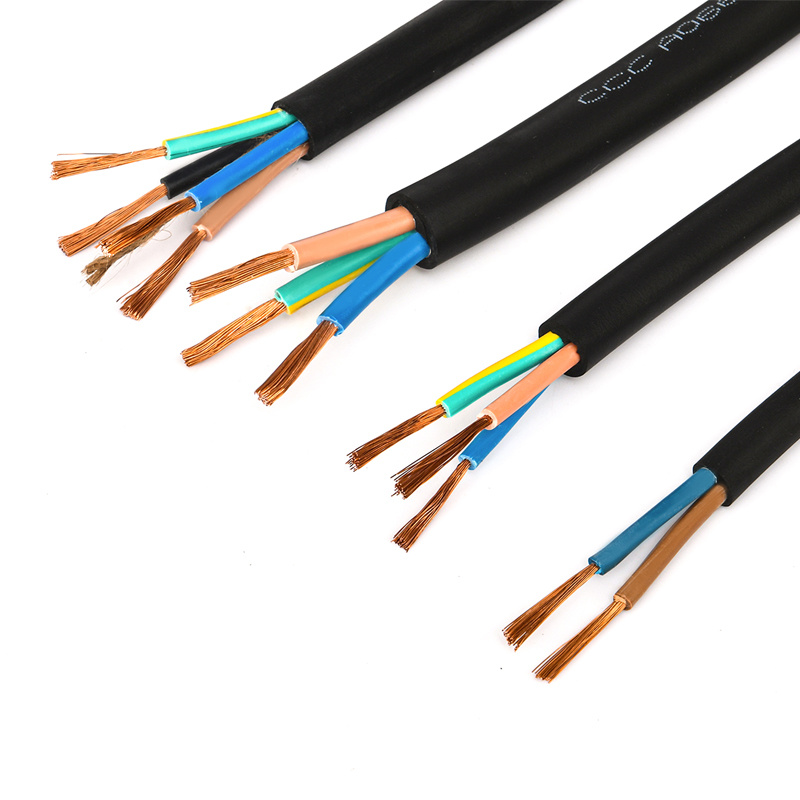
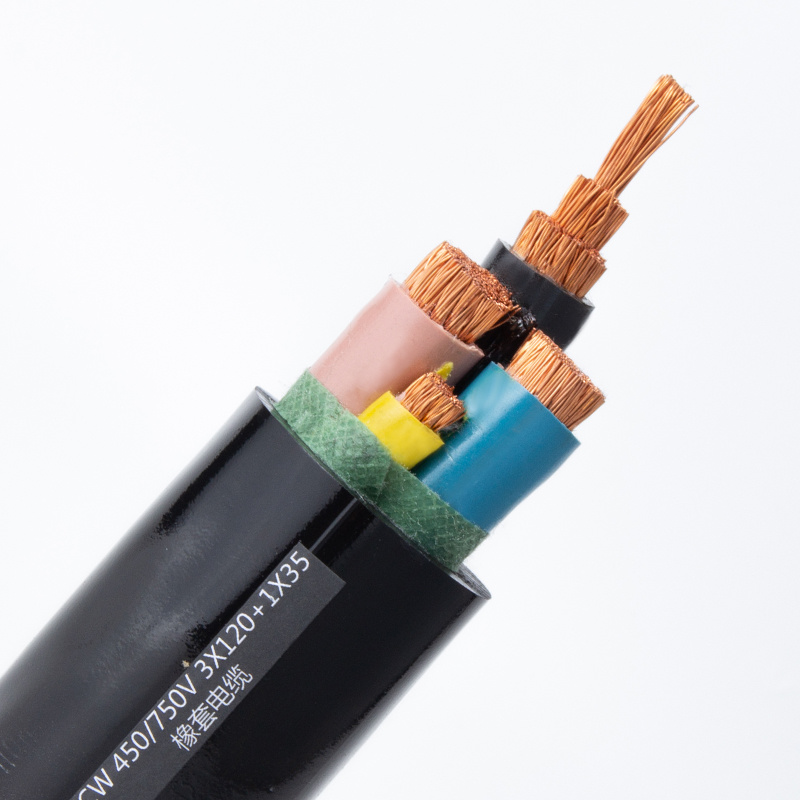
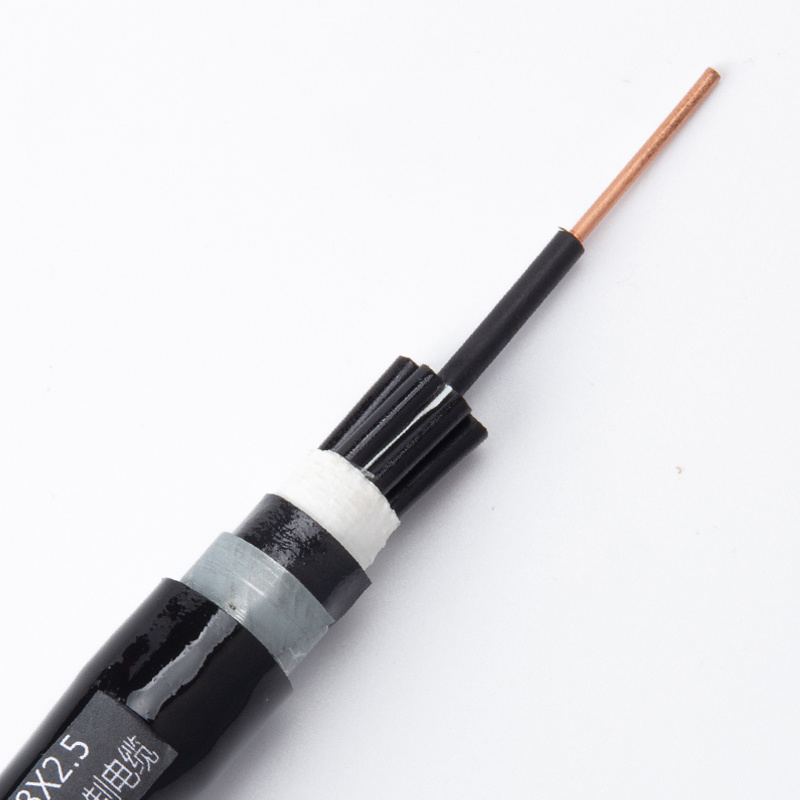
- Choose cables that have passed relevant safety tests and certifications, such as UL testing or TUV certification, to ensure their safety in actual applications.
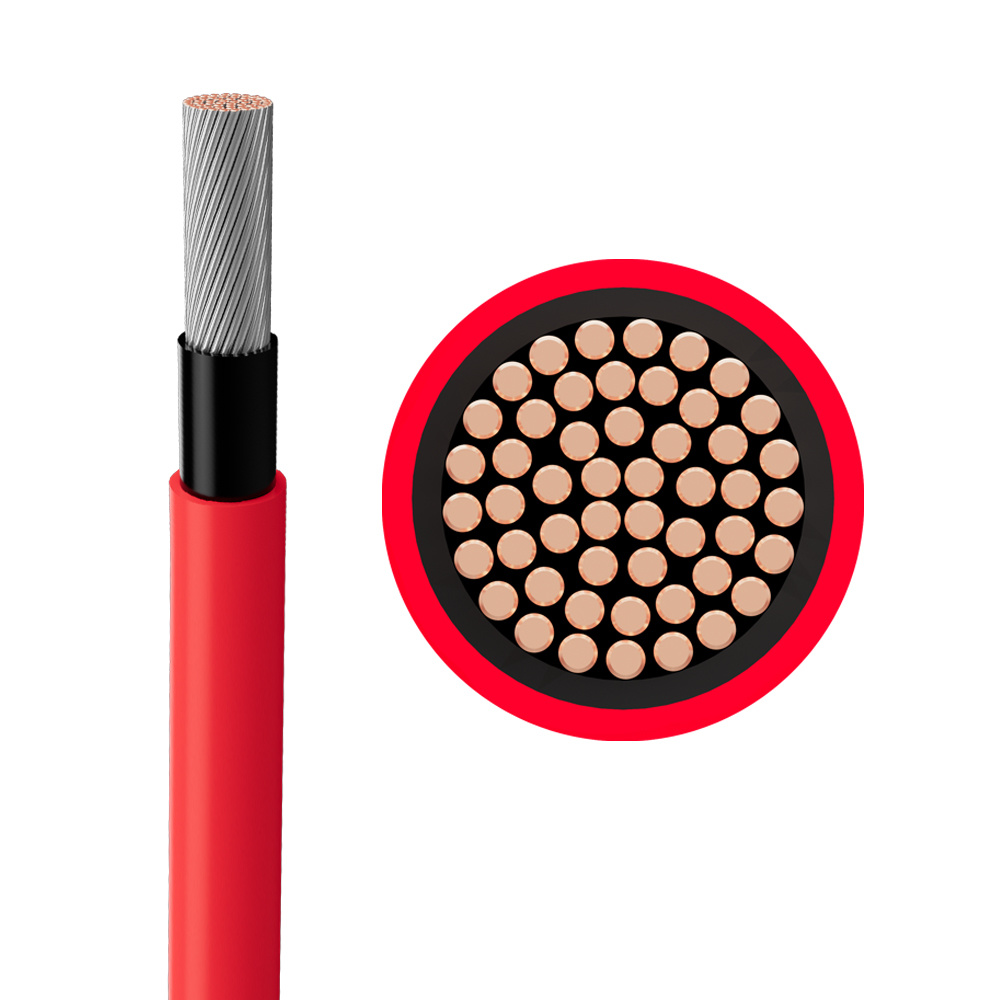
- Commonly used specifications are 4mm² and 6mm². The specific selection should be determined according to system design requirements and current load.
- Ensure that the cable can withstand harsh outdoor environmental conditions such as rain, direct sunlight, ozone and ultraviolet rays. Therefore, cables installed outdoors should use sheath materials with UV resistance. For example, the H1Z2Z2-K European standard also emphasizes the importance of UV resistance and durability testing.
2. Cable Routing:
- Plan the cable pathways in advance to minimize the length of the runs, reducing power loss and cost.
- Avoid sharp bends and kinks in the cable routing, as these can increase resistance and potentially damage the cable.
- When connecting cables between modules and between strings and combiner boxes, use cable brackets to support and fix the channels to improve stability and reduce the risk of failure.
3. Termination and Connections:
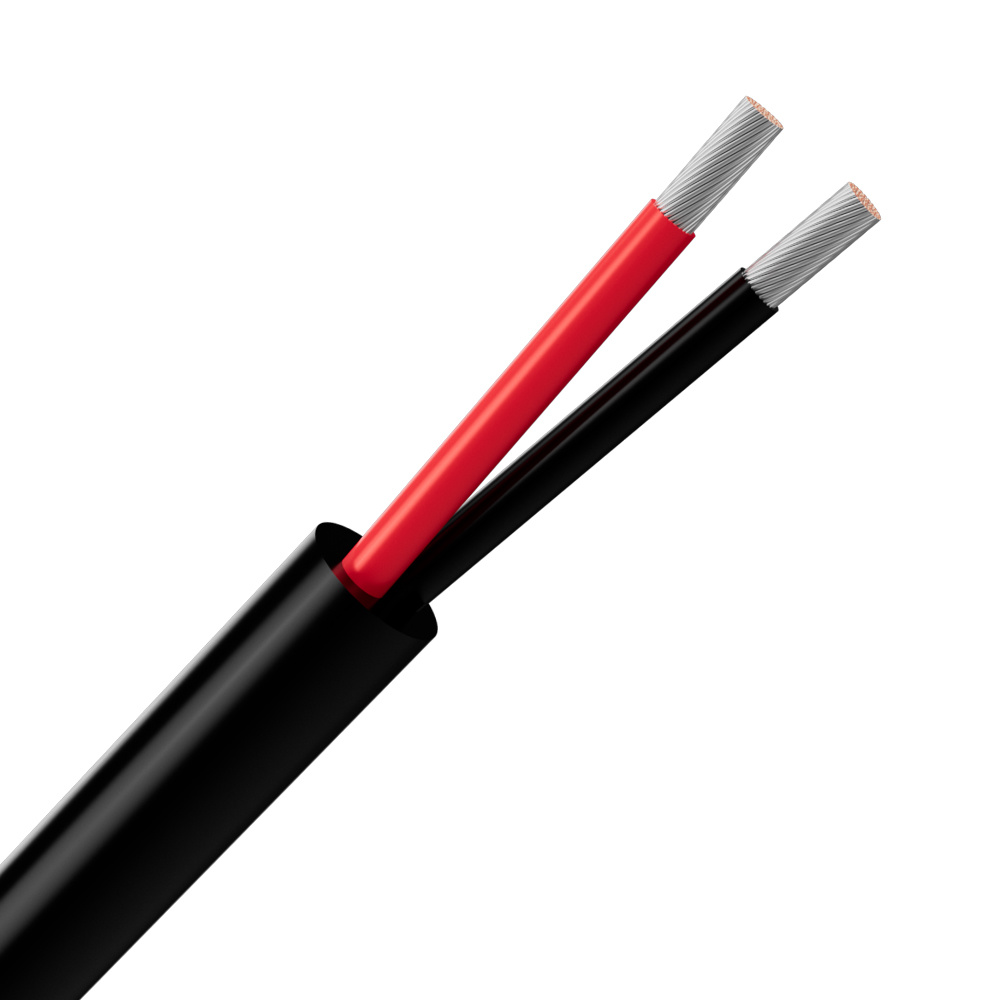
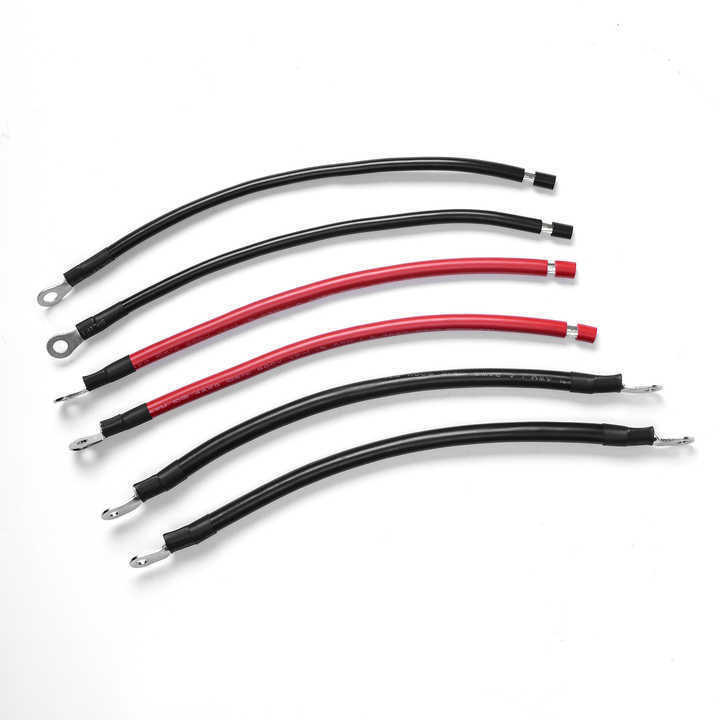
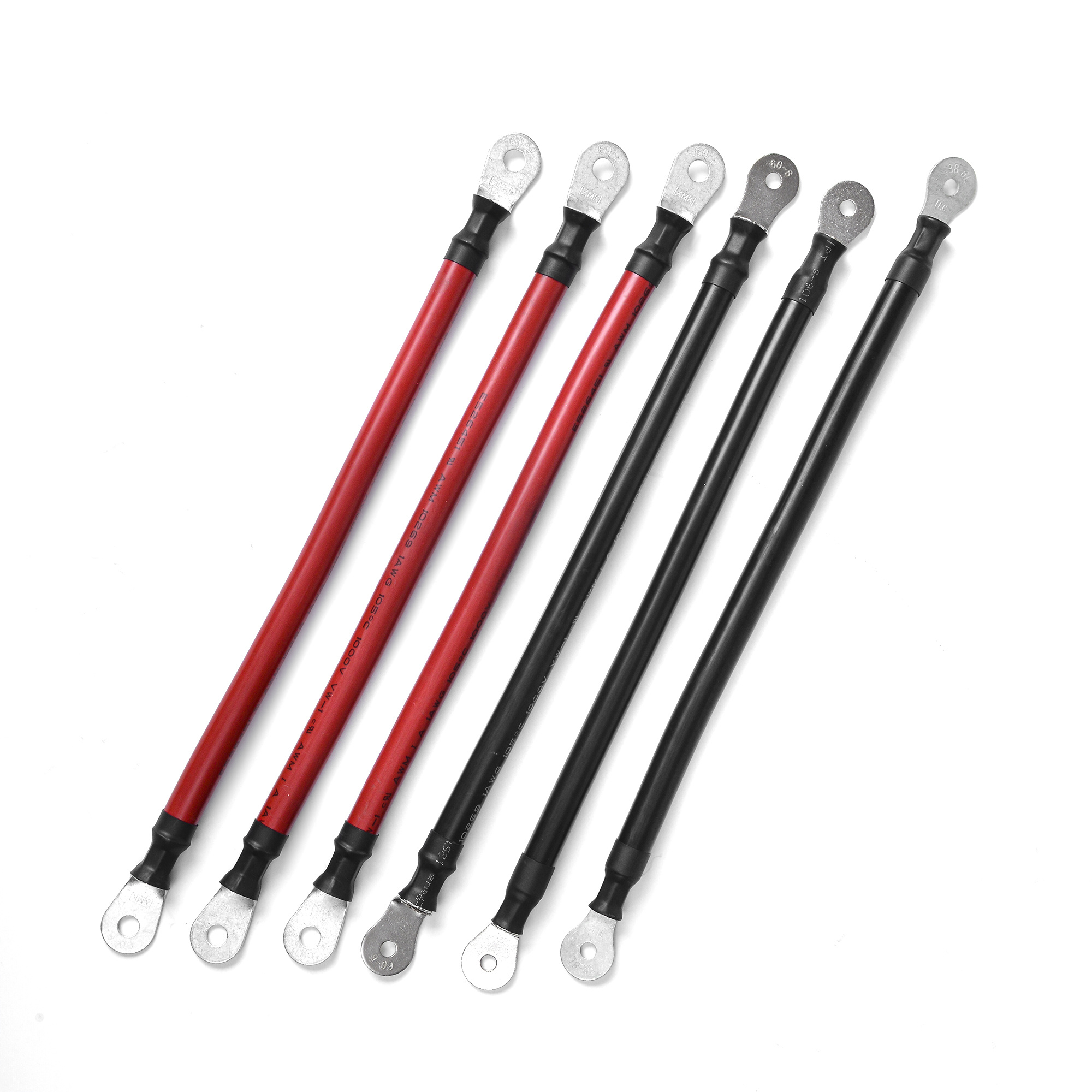
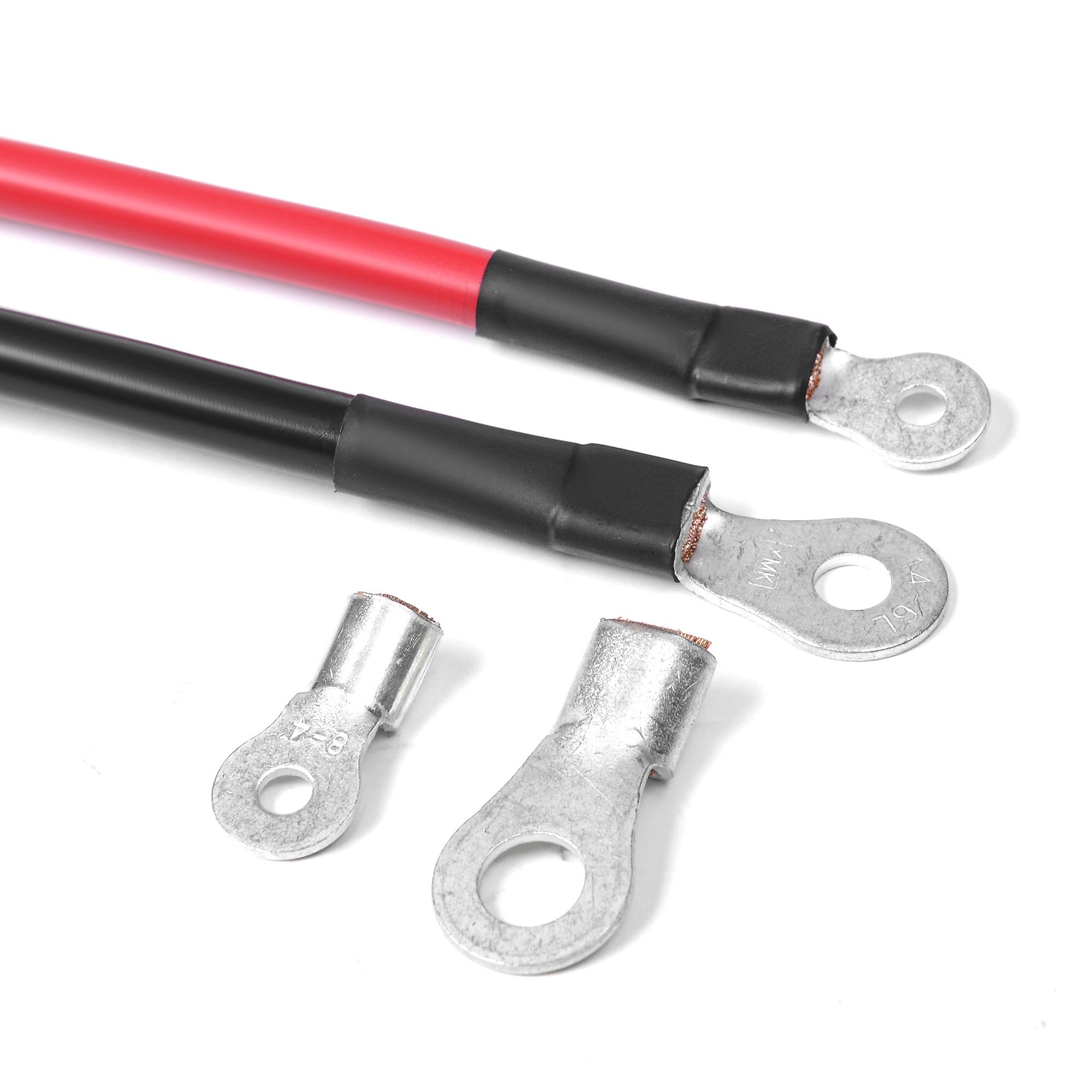
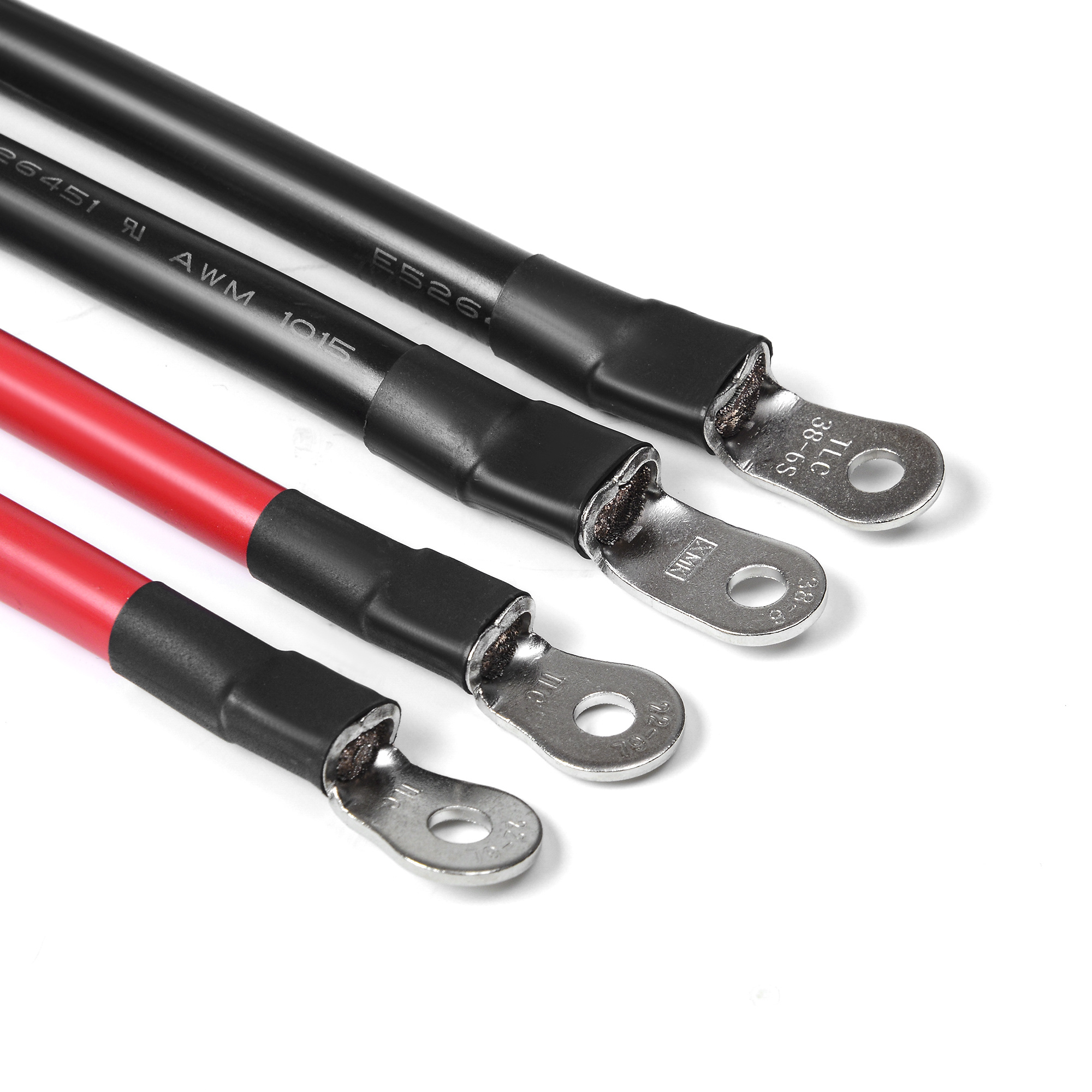
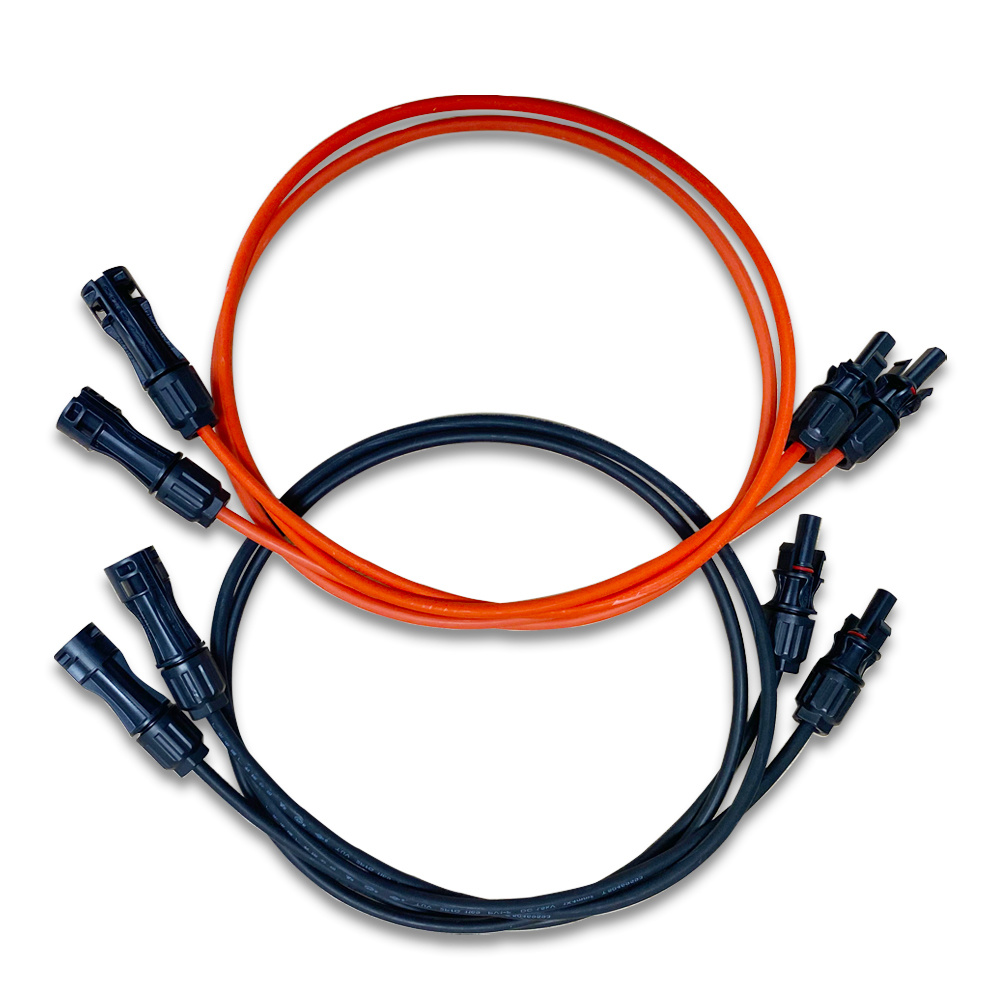
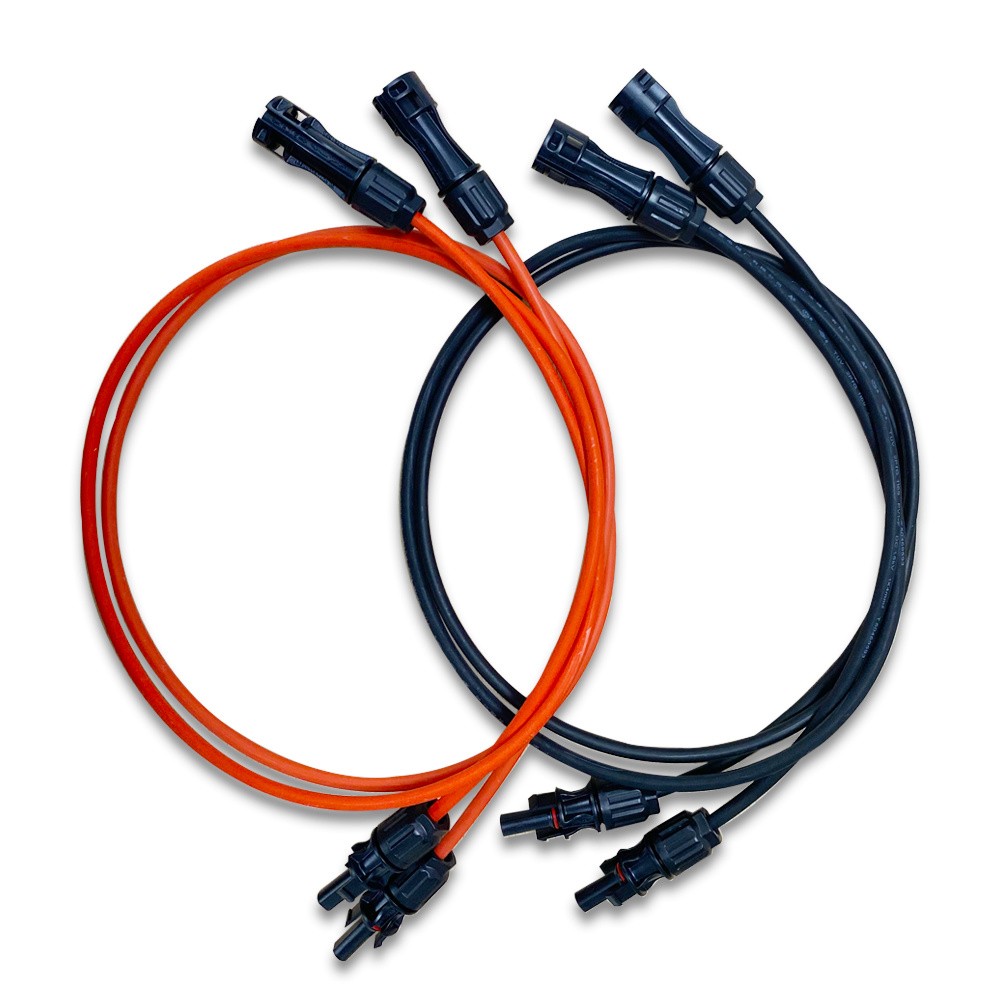
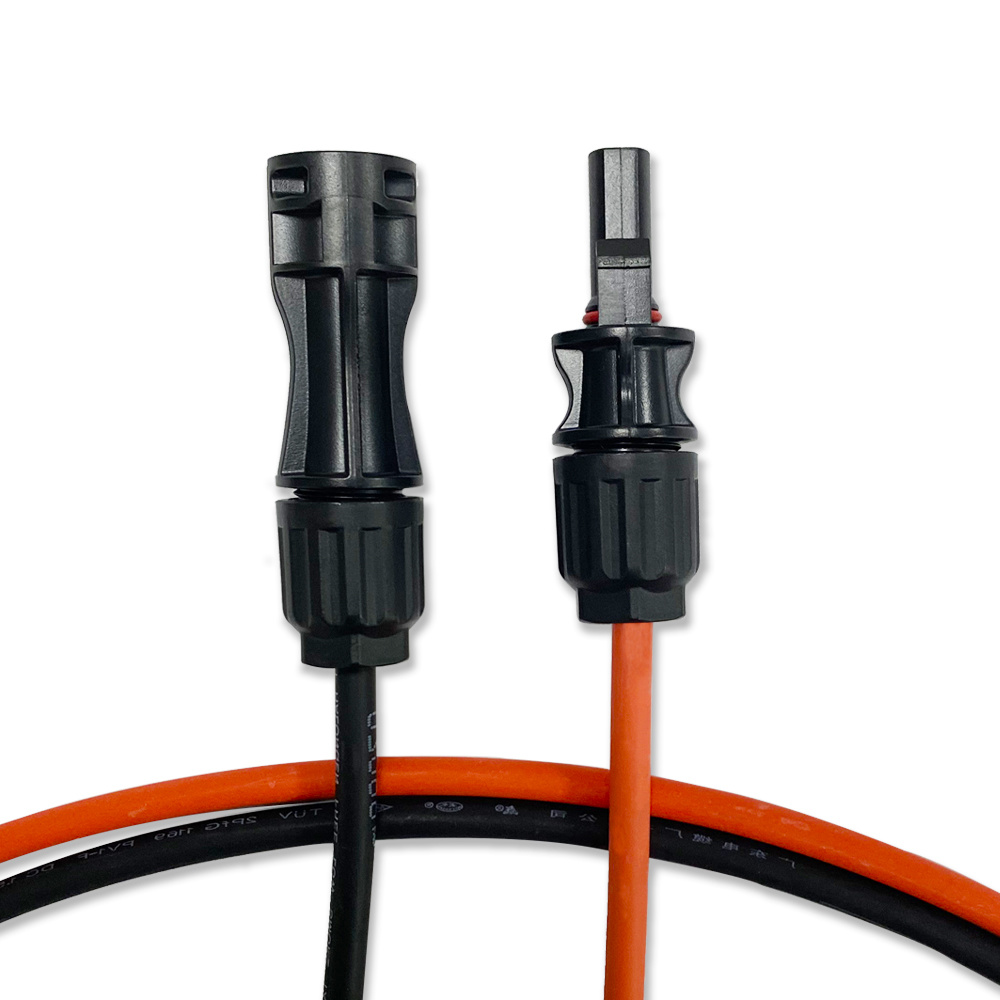
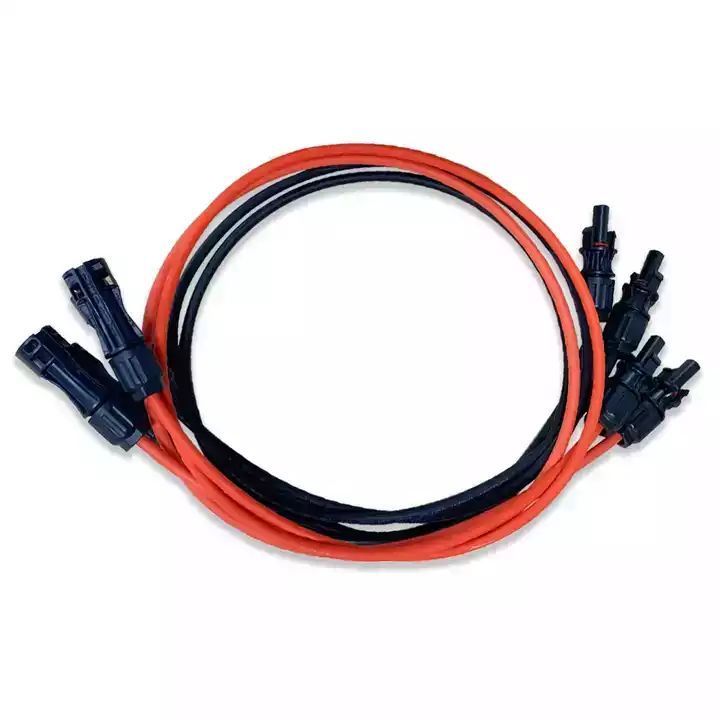
- Use PV-specific connectors and terminals that are compatible with the chosen cables to ensure a reliable connection.
- When connecting PV panels and cables, pay attention to the positive and negative polarity of the PV panels and ensure that the positive and negative poles of the cables correspond to the positive and negative poles of the PV panels to avoid reverse connection that may cause the system to malfunction.
4. Electrical Safety:
- Always disconnect the system from the power source before beginning any installation work.
- Use appropriate personal protective equipment (PPE) and tools designed for electrical work.
- Adhere to local and national electrical codes and standards to ensure the installation is safe and legal.
5. Lightning protection and grounding treatment:
-When installing photovoltaic cables, lightning protection measures should be fully considered. Lightning protection devices should be installed at the entrance and exit of the cable bridge or cable trench to reduce the damage to the cable caused by lightning.
-The grounding treatment of the cable is also very important. At the starting and terminal of the cable, a dedicated grounding device should be installed to connect the metal shielding layer of the cable to the grounding system to improve the safety performance of the system.
6. Testing and Inspection:
- Conduct thorough testing of the cable installation, including insulation resistance tests, to detect any faults or weaknesses.
- Perform a comprehensive visual inspection to check for proper installation and any signs of damage.
The installation of photovoltaic cables is a meticulous process that requires careful planning and execution. By adhering to these essential considerations, installers can ensure that the PV system operates at peak efficiency and remains safe over its operational life. A well-installed cable system is key to the reliability and sustainability of solar power installations.
Previous article
Other News

Aug 28,2024
Aluminum solar cable 6mm vs. tinned copper solar cable 4mm: Which one is more suitable?
Aluminum solar cable 6mm is an affordable option and can effectively replace tinned copper solar cable 4mm.
View Detail
Aug 23,2024
6mm solar cable: a reliable guarantee for green energy transmission
he 6mm solar cable not only meets the high requirements of photovoltaic power stations for cable performance, but also fully considers the safety and reliability in long-term operation, bringing lasting value and stable returns to your photovoltaic investment.
View Detail
Aug 22,2024
Causes and consequences of heating of solar cables
The main reasons for the heating of solar cables include the cable conductor resistance not meeting the standard requirements, improper cable selection resulting in too small conductor cross-section
View Detail
Jul 05,2024
VAZPO CABLE to be presented at Solar & Storage Live Vietnam 2024
July 10-11, 2024 — VAZPO CABLE, a leading supplier of photovoltaic cables in China, is excited to announce its participation in Solar & Storage Live Vietnam 2024.
View Detail



We sincerely looking forward to cooperating with you !
Copyright © 2023 Foshan Vazpo New Energy Co., Ltd.
佛山市威之宝新能源有限公司
佛山市南海区桂城街道桂澜北路28号南海万达广场南1栋704A室(住所申报)
Email:vazpom@vazpocable.com
Phone:+86 18038777060